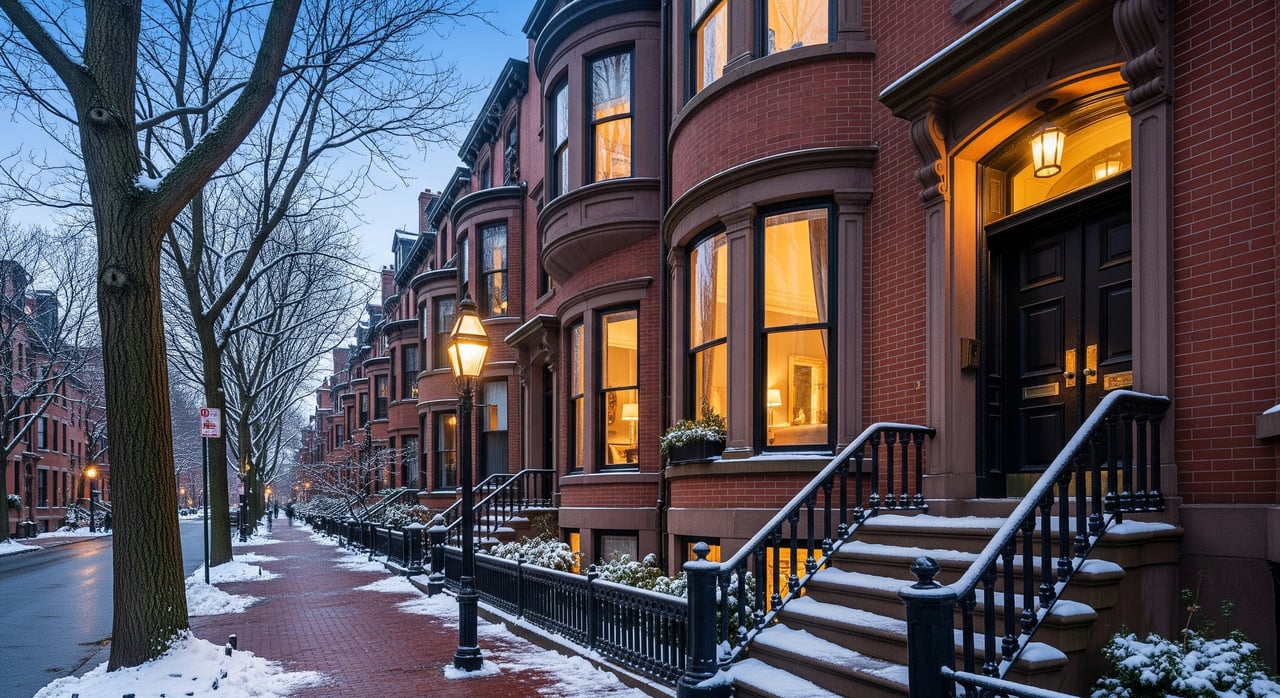
Is winter really a slower time to move in Back Bay, or is it a smart window to make your move? If you are eyeing a sale or a purchase between December and February, you are navigating a season with fewer listings, fewer casual shoppers, and more serious, deadline-driven buyers. That shift changes how you price, present, tour, and negotiate. In this guide, you will learn what typically changes in Back Bay’s winter market, how nearby micro-markets behave, and the exact steps to put yourself in the best position. Let’s dive in.
Winter in Back Bay: what really changes
Inventory and new listings
Back Bay generally sees fewer new listings in winter compared to spring. Many owners wait for longer days and fresh curb appeal, while some luxury or unique properties list year-round. For buyers, that means fewer choices but, at times, more leverage on homes that have been sitting. For sellers, it can mean less competition from other listings and a more motivated buyer pool.
Days on market and velocity
Days on market often stretch in winter as showings slow. That said, well-priced, move-in-ready condos in prime Back Bay locations can still move quickly. Older or higher-maintenance brownstones may take longer unless priced to reflect condition. The key is realistic pricing and strong presentation.
Pricing and concessions
Some markets see modest seasonal price softness in winter, while others hold steady due to motivated buyers. In Back Bay, pricing for desirable, turnkey units tends to be sticky. Dated homes or those with parking or mechanical tradeoffs may face more pressure. Buyers may win concessions such as a closing credit, flexible dates, or minor repairs. Sellers who prefer to hold the price can sometimes keep the number intact by offering terms.
Buyer motivations in winter
Winter buyers in Back Bay often have clear deadlines, such as job transfers or academic calendars. You also see investors and second-home buyers who are alert for off-peak opportunities. The result is fewer shoppers overall but a higher share of serious ones, which can help qualified buyers and sellers align quickly.
Logistics and weather realities
Snow, ice, and shorter daylight windows reduce showing frequency and complicate photography. Virtual tours help fill the gap. Inspections can get delayed around holidays, and exterior work may need to wait. Winter also spotlights heating performance, window seals, and roof or masonry issues, which can shape negotiations.
Micro-market differences nearby
- Beacon Hill has constrained brownstone and co-op supply, which can limit winter churn.
- South End shows more new-development condo options and a slightly different supply rhythm.
- Fenway often has steadier investor activity tied to the academic cycle. Even within Back Bay, the micro-location and property type influence how strongly you feel seasonality.
Condo and co-op timing
Condo association and co-op board schedules can slow during holidays. Document requests, board meetings, and approvals may take longer. Smart contracts account for this with realistic timelines and clear contingency windows.
Buyer playbook for December to February
Get your financing squared away and move fast on showings. Winter often rewards the prepared buyer. If you are decisive, flexible on tour times, and clear about your must-haves, you can secure a quality home without the spring crowds.
- Get pre-approved and have documentation organized so you can act quickly.
- Use targeted offers. Instead of a deep price cut, ask for a closing credit, a flexible close, or specific repairs if value supports it.
- Prioritize systems and envelope during inspections. Request utility and heating records. Verify performance in real time when possible.
- Confirm condo or co-op timelines early, including board calendars and expected document turnaround.
- Lean on high-quality virtual tours and recorded walkthroughs if weather or travel limits in-person visits.
Buyer checklist for winter
- Mortgage pre-approval in hand
- Proof of funds for down payment and closing costs
- Flexible showing availability, including evenings and weekends
- Inspector with older Boston building expertise
- Plan for condo or co-op board delays
- Recent winter utility and heating bills requested
Seller playbook for winter
Winter selling can work well if you price to the current pool, present a warm and bright interior, and make showings effortless. You are competing with fewer listings, so clear storytelling and professional marketing stand out.
- Price for today’s demand. Well-priced homes still attract strong offers.
- Stage with winter in mind. Bright lighting, warm but neutral decor, and a clutter-free entry make a difference.
- Keep sidewalks and entryways safe and clear. Make de-icing materials available and visible.
- Invest in professional photography and a virtual tour to counter shorter daylight and weather constraints.
- Consider a pre-listing inspection to reduce surprises on heating, roof, windows, and masonry.
- Set realistic closing windows to account for holidays, contractor schedules, and board processes.
Seller checklist for winter
- Clear, safe sidewalks and entries before every showing
- Professional interior photos with bright, even lighting
- Heating and utility records ready for review
- Pre-listing inspection and repair estimates where relevant
- Flexible showing plan and a virtual tour available
- Condo or co-op documents organized with the board calendar in mind
Negotiation moves that work now
- Buyers: Pair fair pricing with targeted asks. Consider a modest closing credit, flexible timing, or a repair escrow instead of a large list-price cut if the market is tight.
- Sellers: If you prefer to hold price, offer terms. Closing flexibility or minor improvements can bridge gaps with motivated buyers.
- Both: Document winter-specific conditions, including boiler servicing, ice dam history, roof work, and window or masonry updates.
What to track before you act
Because each winter is a little different, watch the local data. Focus on the metrics that actually move outcomes:
- Active inventory and new listings per month
- Pending sales and the ratio of pendings to actives
- Median sale price and list price by property type and price band
- Median days on market and how it clusters by condition and location
- Sale-to-list price ratio and the frequency of concessions or price reductions
- Condo or co-op board review timelines during the holiday period
Neighborhood-level figures come from MLS-based reports, monthly association summaries, and Registry of Deeds records. Compare this winter to the same months last year and to the rolling 12-month average. Check adjacent micro-markets like Beacon Hill and South End to gauge relative strength. A precise read of your property type, price band, and building profile will inform the best timing and strategy.
The bottom line
Winter in Back Bay narrows the field but raises the signal. You face fewer listings and fewer browsers, yet more serious buyers and sellers who are ready to transact. If you prepare well and market or search with intent, you can achieve a strong result without waiting for spring crowds.
If you want a private, data-backed plan for your move, including off-market access, Compass analytics, and Concierge-funded improvements for sellers, connect with Megan Kopman. Request a private consultation.
FAQs
Is winter a good time to buy in Back Bay?
- It can be advantageous due to fewer competing buyers and more motivated sellers, though inventory is smaller, so preparation and flexibility matter.
Do Back Bay home prices usually drop in winter?
- Seasonal softness can appear, but in tight urban areas like Back Bay it is often muted, with pressure mainly on dated units or homes with condition tradeoffs.
How do condo or co-op boards affect winter closings?
- Holiday schedules and limited meeting calendars can slow approvals and document turnarounds, so build extra time into contracts from the start.
What inspection issues show up most in winter?
- Heating performance, ice dams and roof flashing, window seals, basement moisture, and freeze-thaw impacts on exterior masonry.
Should I wait until spring to list my Back Bay condo?
- It depends on priorities: winter brings fewer buyers but less listing competition and more serious shoppers, which can benefit a well-presented home.
What marketing works best for winter listings in Back Bay?
- Bright, professional photography, a quality virtual tour, flexible showing options, and clear documentation of recent maintenance and heating performance.