Harbor views can be inspiring, but the real daily difference often comes from what is inside your building. If you are exploring Boston’s waterfront, the amenity mix will shape your lifestyle, your monthly costs, and your future resale. This guide helps you separate must-haves from nice-to-haves, estimate true carrying costs, and do clean due diligence before you buy. Let’s dive in.
Boston waterfront amenities to know
Concierge and front desk
You will see a range from minimal weekday desks to fully staffed 24/7 concierge service. More staff typically means higher monthly dues because salaries, benefits, training, and coverage are sizable line items. Full-service buildings often coordinate deliveries and building events, which can be convenient if you value turnkey living.
Valet and parking
Valet parking adds staffing and insurance costs that may appear in HOA dues or as a separate monthly fee. Self-park garages are simpler, though guest parking and the number of available spaces still influence marketability in Boston’s core. Some buildings offer add-ons like EV charging or car washing, often with their own fees.
Fitness, spa, and pools
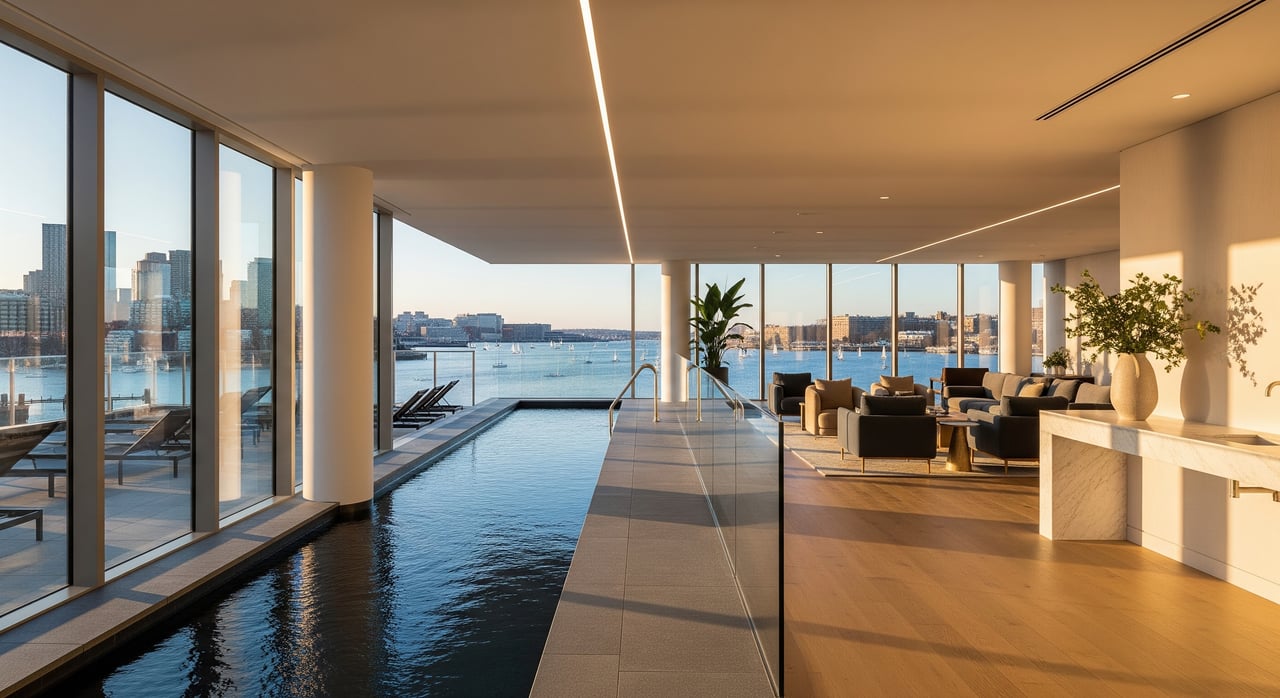
Amenities range from compact gyms to full health-club setups with studios, saunas, steam rooms, and pools. Pools are among the most expensive amenities to operate due to chemicals, filtration, HVAC, and occasional lifeguard requirements. If you will not use a pool or spa often, consider whether the cost aligns with your lifestyle.
Marina access and Harborwalk
Some buildings offer private marina slips, which can be deeded, leased, or managed by third parties. Costs vary and slips frequently carry separate contracts, waitlists, or governance. Proximity to the Harborwalk increases appeal and walkability, but access is public and not exclusive to residents.
Storage and bike rooms
Storage is scarce in Boston, so assigned storage cages and climate-controlled bike rooms add real utility. These can be deeded, assigned, or first-come. If you value clutter-free living, confirm what is guaranteed with the unit versus what is waitlisted or rented.
Pet policies and perks
Rules vary from pet-friendly with limits to restrictive policies. Look for practical features like dog-wash stations or on-site dog runs if you have pets. Always confirm the building’s written rules, size limits, and any fees before you commit.
Resiliency and building systems
Waterfront buildings are increasingly investing in generators, backup power for elevators, flood barriers, raised mechanicals, and sump systems. These upgrades support safety and continuity but can require significant capital. Strong resiliency planning can reduce long-term risk and is a positive signal for many buyers.
Security and resident tech
Expect modern access control, CCTV, package rooms, and resident apps for booking amenity spaces or service requests. Technology platforms usually come with recurring license costs. Evaluate whether the tools make life easier and how they factor into the budget.
How amenities affect HOA and fees
What drives HOA dues
- Personnel costs for concierge, valet, maintenance, and security are major recurring expenses.
- Utilities for pools, gyms, common-area HVAC, and lighting can be substantial, especially when some utilities are included in dues.
- Maintenance contracts cover cleaning, pool service, landscaping, pest control, and snow removal.
- Insurance premiums rise with higher-risk features like pools and marinas.
- Reserve contributions scale with the number and complexity of capital assets.
Separate user fees to expect
- Monthly charges for parking, storage, locker rentals, guest suites, and marina slips can materially raise your effective cost.
- Many services are billed outside the base HOA dues, so capture them in your budget.
- One-time special assessments may occur for exterior work, flood mitigation, elevator replacements, or dock repairs.
Insurance, flood zones, and lenders
- If a building is in a FEMA flood zone, flood insurance may be required by lenders and can be carried at the master-policy or unit level.
- Review what the master policy covers, including wind and flood, and what you must carry on your own HO-6 policy.
- Lenders include HOA dues in debt-to-income calculations and may have project-level requirements for eligibility.
Parking and marina costs
- Downtown and waterfront parking often carries separate leasing fees, with valet programs adding staffing costs.
- Marina slips have variable pricing and may be seasonal, separately deeded, or subject to independent management.
- Confirm transferability, waitlists, and any use restrictions early in your process.
Resale and marketability in Boston
Who values which amenities
- High-luxury buyers often prioritize full-service staffing, valet, spa or pool access, and private marina options.
- Downsizers typically value low-maintenance living, security, and well-managed common spaces.
- Young professionals favor location, fitness facilities, tech, and social spaces.
- Investors look for consistent demand drivers like parking, pet-friendly policies, and practical storage.
Price premiums and pitfalls
- Amenities that address local scarcity, such as assigned storage, parking, marina access, and direct Harborwalk proximity, can support price premiums and faster sales.
- Over-amenitized buildings with underused facilities may see higher carrying costs without matching buyer demand.
- Old or deferred amenity infrastructure without adequate reserves can lead to special assessments that depress value.
Local context to weigh
- Harborwalk access boosts lifestyle value but does not provide exclusive use.
- Boston’s scarcity of developable waterfront and strict permitting can support premiums for well-amenitized buildings.
- Visible flood mitigation and resiliency features are increasingly important to buyers and can improve perceived long-term value.
Buyer due diligence checklist
Documents to review
- Current year HOA budget and the prior two to three years of budgets to spot trends.
- Reserve study and current reserve fund balance, plus the schedule of capital projects.
- Board meeting minutes for the past 12 to 24 months to surface disputes and upcoming expenses.
- Condo declaration, bylaws, and rules, including pet policies, rental limits, and slip allocation.
- Service contracts for management, concierge, valet, cleaning, and pool providers.
- Insurance certificates detailing master policy coverage and deductibles, including flood.
- Parking and storage agreements, waitlists, and fee schedules.
- Marina slip documentation, ownership model, transfer rules, and costs.
Questions for the HOA and tour
- What is included in dues versus billed separately, especially utilities and parking?
- How many full-time staff are on payroll, and what are annual staffing costs?
- What capital projects are planned or underway and how are they funded?
- Is the building in a FEMA flood zone, and what flood mitigation and insurance are in place?
- How are marina slips allocated and priced, and are there waitlists?
- Are there any ongoing or pending legal matters that could impact owners?
Red flags to note
- Low reserves relative to a recent reserve study or references to deferred maintenance in minutes.
- Frequent special assessments or large one-off capital calls.
- Signs of poor management, such as unclean common areas or inconsistent staffing.
- Unclear master policy coverage or unusually high deductibles for wind or flood.
- Ambiguous utility allocation that could shift costs to owners.
Negotiation opportunities
- Seek a credit or price adjustment if a special assessment is likely or reserves are underfunded.
- Request a seller contribution to reserves or pre-paid dues if major work is scheduled.
- For parking or slips, secure clarity on transfer terms and include them in the purchase contract.
- Compare effective monthly carrying costs across options to negotiate from a data-backed position.
Financing considerations
- High HOA dues and high non-owner occupancy can affect loan eligibility; verify project status with your lender early.
- FHA, VA, and conventional lenders have project requirements that may influence the buyer pool and resale.
- Lenders count HOA dues in affordability; add separate fees like parking and slip charges to your budget before committing.
Compare buildings with this framework
- Define lifestyle priorities. List the top three amenities you will use regularly and the ones you can live without.
- Calculate the effective monthly cost. Add base HOA dues, parking, storage, slip fees, typical utilities you will pay, and estimated insurance.
- Assess long-term risk. Review reserves, capital plans, and flood mitigation to avoid surprise assessments.
- Consider resale liquidity. Favor amenities that many Boston buyers value, like parking, storage, pet-friendly policies, and Harborwalk proximity.
The bottom line
Amenities are part lifestyle and part line item. The right mix can simplify your day-to-day, protect long-term value, and help your home stand out when you resell. With careful due diligence on budgets, reserves, insurance, and separate fees, you can enjoy the waterfront lifestyle without unwelcome surprises.
If you want a clear, data-informed plan that fits your goals in Boston’s waterfront market, request a private consultation with Megan Kopman. We can help you weigh amenity benefits, model true carrying costs, and position you for a confident purchase.
FAQs
Which Boston waterfront amenities raise HOA dues the most?
- Staffed services like 24/7 concierge or valet, plus pools and extensive common-area HVAC, are typical drivers of higher dues.
How do marina slips usually work in Boston condo buildings?
- Slips may be deeded, leased, or managed separately, often with their own fees, rules, and waitlists; always verify allocation and transferability in the documents.
Does Harborwalk access give residents exclusive waterfront use?
- No. The Harborwalk is a public pathway; proximity enhances lifestyle and appeal, but it does not provide exclusive resident rights.
Should I worry about flood risk for a waterfront condo in Boston?
- Yes. Confirm flood zone status, building mitigation measures, master policy flood coverage, and how deductibles or assessments could affect you.
Can HOA dues change meaningfully after I buy?
- Yes. Dues can rise with inflation, staffing changes, insurance premiums, or capital projects; review budgets, minutes, and reserve studies to gauge risk.
Which amenities typically support resale value in Boston?
- Scarce, practical features like assigned parking, storage, pet-friendly policies, marina access, and Harborwalk proximity often improve demand and liquidity.
What financing issues should I check for waterfront condos?
- Confirm project eligibility with your lender, understand how HOA dues and separate fees affect debt-to-income, and verify any project-level requirements that apply.