Thinking about trading your Back Bay or South End address for more space without losing easy Boston access? You are not alone. Newton sits just west of downtown and offers strong public schools, multiple MBTA options, and a wide range of homes. In this guide, you will compare schools, commute choices, housing styles and prices, plus taxes, so you can decide if Newton is the right next move. Let’s dive in.
Why Newton works for Boston buyers
Newton is a close-in suburb about eight miles from downtown. You get village centers, parks, and a mix of single-family homes and condos, plus quick reach to Boston and Cambridge. The market is competitive, with citywide medians in the high six figures to low seven figures and many buyers prioritizing turnkey homes near transit. Plan ahead on schools and commute, then work village by village to match your lifestyle and budget.
Schools overview
District snapshot
Newton Public Schools serves roughly 11,400 students across an integrated preschool, 15 elementary schools, 4 middle schools, and 2 high schools. For the latest enrollment and budget context, review the district’s FY26 budget materials and reports in the official budget book. You can reference the district’s published overview in the budget portal to see current counts and trends in one place.
- View DESE’s official accountability and MCAS reporting for Newton on the state site. The district performs at a high level overall, and the state pages let you review individual school data, graduation, and subgroup performance in detail. Start with the district profile on the DESE accountability page.
High school context
Newton North and Newton South are the two comprehensive public high schools. If high school programming is important to you, use DESE to compare graduation rates, MCAS, and participation in advanced coursework. Reviewing both schools side by side helps you align program options and commute patterns with your target village.
How villages relate to schools
School assignment is address based. Before you rely on a specific school, confirm any property’s assignment using the district’s enrollment and boundary resources on the NPS “What if I move” page. Villages near the Green Line D branch, such as Newton Centre, Newton Highlands, Waban and Chestnut Hill, often command higher prices and attract buyers focused on access to neighborhood schools and transit. Villages with more mid-range or multifamily options, like Nonantum and parts of West Newton or Thompsonville, can offer relatively more affordable entries into the district. Always verify the individual school tied to a specific address.
Commute planning
Your commute experience depends on your destination and schedule. The single clearest predictor of faster transit into central Boston is proximity to the Green Line D branch or a commuter rail stop.
Green Line access
The Green Line D branch runs from Fenway and Kenmore out to Riverside and serves several Newton villages. Stations like Newton Centre, Newton Highlands, Waban, Eliot, Chestnut Hill, and Reservoir offer direct light rail access that is convenient for Back Bay, Fenway, and Longwood. Review the station list on the Green Line D branch overview.
Commuter rail to Back Bay and South Station
Auburndale, West Newton, and Newtonville sit on the Framingham and Worcester Line. The commuter rail can be faster for peak trips into Back Bay and South Station, although frequency and accessibility vary by stop. See the Auburndale station page for a representative station overview, then check current timetables as you plan.
Driving corridors
If you drive, Newton straddles Route 9 and the Massachusetts Turnpike. Villages like Newton Corner, Auburndale, and West Newton offer quick highway access, which helps for flexible or off-peak commutes. Keep in mind that time of day and your precise destination, for example Kendall Square versus Financial District, will shape the best route.
Housing styles and pricing
What you will find
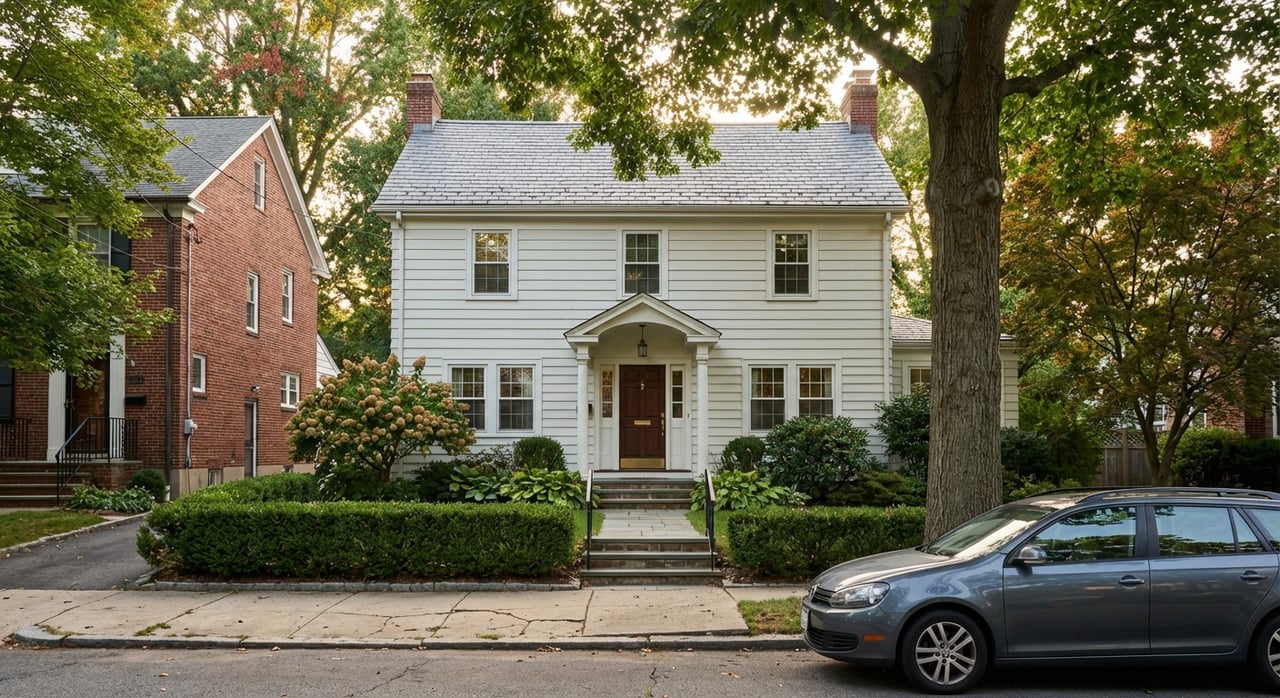
- Historic cores such as Newton Centre, Newton Highlands, West Newton, and Newtonville feature Victorians, Queen Anne homes, Colonial Revivals, and older multifamily buildings with condos near village centers.
- Waban and Chestnut Hill often include larger early 20th century Colonials and Tudors, along with estate lots and newer luxury infill.
- Oak Hill and parts of Newton Lower and Upper Falls show more mid century ranches, occasional newer construction, and larger lots.
- New construction appears citywide. You will see it on larger lots in Oak Hill and Chestnut Hill and as infill near walkable centers like Newtonville and West Newton. Village center condos can offer lower price points than single family homes.
Current market snapshot
MLS aggregated snapshots placed Newton’s citywide median sale price around 1.45 to 1.50 million dollars in January 2026. Prices vary sharply by village and housing type. Expect short days on market for well priced, move in ready single family homes. Condos can provide more flexibility for budget and timing, especially close to transit.
Buyer strategy in a competitive market
- Define your must haves early, for example school assignment, Green Line distance, yard size, or parking.
- Use price per square foot comparisons within a single village to judge value.
- Consider renovation potential, but budget for historic updates and the premium many buyers place on turnkey condition.
- Line up pre approval, and be ready to move quickly when the right home appears.
Property taxes and cost context
Newton’s FY2026 rate and sample math
Newton’s residential property tax rate for FY2026 is 9.69 dollars per 1,000 dollars of assessed value. You can estimate annual taxes by dividing assessed value by 1,000 and multiplying by 9.69. See the official figure on the city’s tax rate page.
- 1,500,000 dollars assessed value, approximately 14,535 dollars per year
- 2,000,000 dollars assessed value, approximately 19,380 dollars per year
- 3,000,000 dollars assessed value, approximately 29,070 dollars per year
Assessed values can differ from purchase price, and exemptions or abatements can change the final bill. Confirm the current assessed value for any target property.
Newton vs Brookline vs Boston
- Brookline reported a recent residential rate near 9.87 dollars per 1,000 dollars in FY25, and it levies a 1 percent CPA surcharge that affects the final bill. Review the Assessors’ information on the Brookline Assessors page.
- Boston’s nominal residential rate was about 11.58 dollars per 1,000 dollars in FY25, but the owner occupant residential exemption reduces the effective bill for many households. For a clear explanation, read this overview of Boston property tax bills and exemptions.
The takeaway is simple. Newton’s nominal rate is competitive with Brookline, and Boston’s effective bills for owner occupants can be lower than the nominal rate. Always run property specific estimates rather than rely on citywide rates alone.
Quick village notes
- Newton Centre: Walkable center, Green Line access, many historic homes, higher price tier.
- Waban: Leafy streets, D branch station nearby, larger early 20th century homes.
- Chestnut Hill: Larger lots and luxury homes, mix of single family and condos near retail.
- Newtonville: Village center condos and older single family homes, commuter rail access.
- West Newton: Mixed housing stock, local amenities, commuter rail stop.
- Auburndale: Access to Riverside and commuter rail, Charles River green space.
- Nonantum and Thompsonville: More multifamily and mid range options, convenient to shops and local buses.
- Oak Hill: More mid century homes and larger lots, more car oriented.
For a full list of village names and locations, see the Newton villages overview. School boundaries follow addresses rather than village names, so always verify for a property.
How to narrow your Newton search
Map your commute. Decide whether a Green Line D branch stop or the commuter rail will best serve your routine. Use the D branch overview and current MBTA schedules as you plan.
Confirm school assignment. Before you focus on a listing, check the address on the NPS enrollment and assignment page.
Set a pricing lane. Use recent village level comps and price per square foot benchmarks to align expectations with today’s market. Newton’s citywide median sits around the mid to high 1 million range, with wide variation by village and home type.
Decide on condition. If you prefer turnkey, expect competition near transit and village centers. If you can renovate, target classic homes with solid bones in neighborhoods that support your after renovation value.
Run tax and operating costs. Estimate annual property taxes using the city’s FY2026 rate, then factor utilities, maintenance, and any planned updates.
Ready to explore Newton with a data driven plan and access to private and coming soon opportunities? Request a private consultation with Megan Kopman to align your search, confirm school and commute fits, and see inventory that rarely hits the public market.
FAQs
How do Newton school assignments work for a specific address?
- Newton assigns schools based on your home address. Confirm any property’s assigned elementary, middle, and high schools on the district’s NPS “What if I move” page before you make an offer.
Which Newton villages are best for MBTA Green Line access?
- Villages with D branch stations include Newton Centre, Newton Highlands, Waban, Chestnut Hill, Eliot, Woodland, and nearby stops toward Riverside. See the full station list on the Green Line D branch page.
Where can I take the commuter rail in Newton for faster trips to Back Bay?
- Auburndale, West Newton, and Newtonville sit on the Framingham and Worcester Line. These stations offer service to Back Bay and South Station. Review a representative stop at the Auburndale station page.
What is Newton’s property tax rate and how do I estimate my bill?
- Newton’s FY2026 residential rate is 9.69 dollars per 1,000 dollars of assessed value. Divide assessed value by 1,000, then multiply by 9.69. See the official rate on the city’s tax page.
How do Newton taxes compare with Brookline and Boston for owners?
- Brookline’s recent rate is about 9.87 dollars per 1,000 dollars and includes a 1 percent CPA surcharge. Boston’s nominal rate is higher, but an owner occupant residential exemption can lower effective bills. Learn more on the Brookline Assessors page and this Boston tax overview.