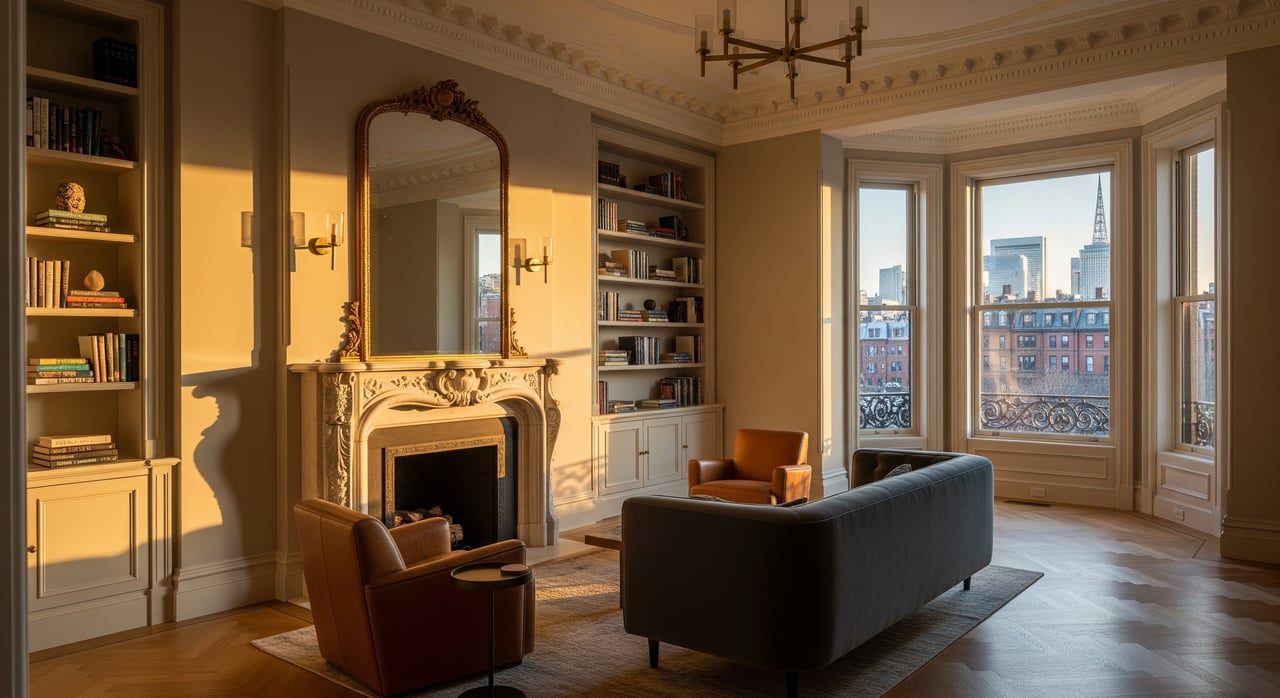
Is Back Bay calling your name with its tree‑lined streets, stately brownstones, and café‑to‑concert kind of days? If you want a central Boston address with classic architecture and everyday convenience, this neighborhood often rises to the top of the list. In this guide, you’ll see how life actually feels here, the housing styles you’ll find, key tradeoffs to weigh, and what to know before you buy. Let’s dive in.
Back Bay at a glance
Back Bay blends residential calm on side streets with energetic commercial corridors along Newbury and Boylston. You get compact city living, strong pedestrian life, and easy access to parks, culture, and transit.
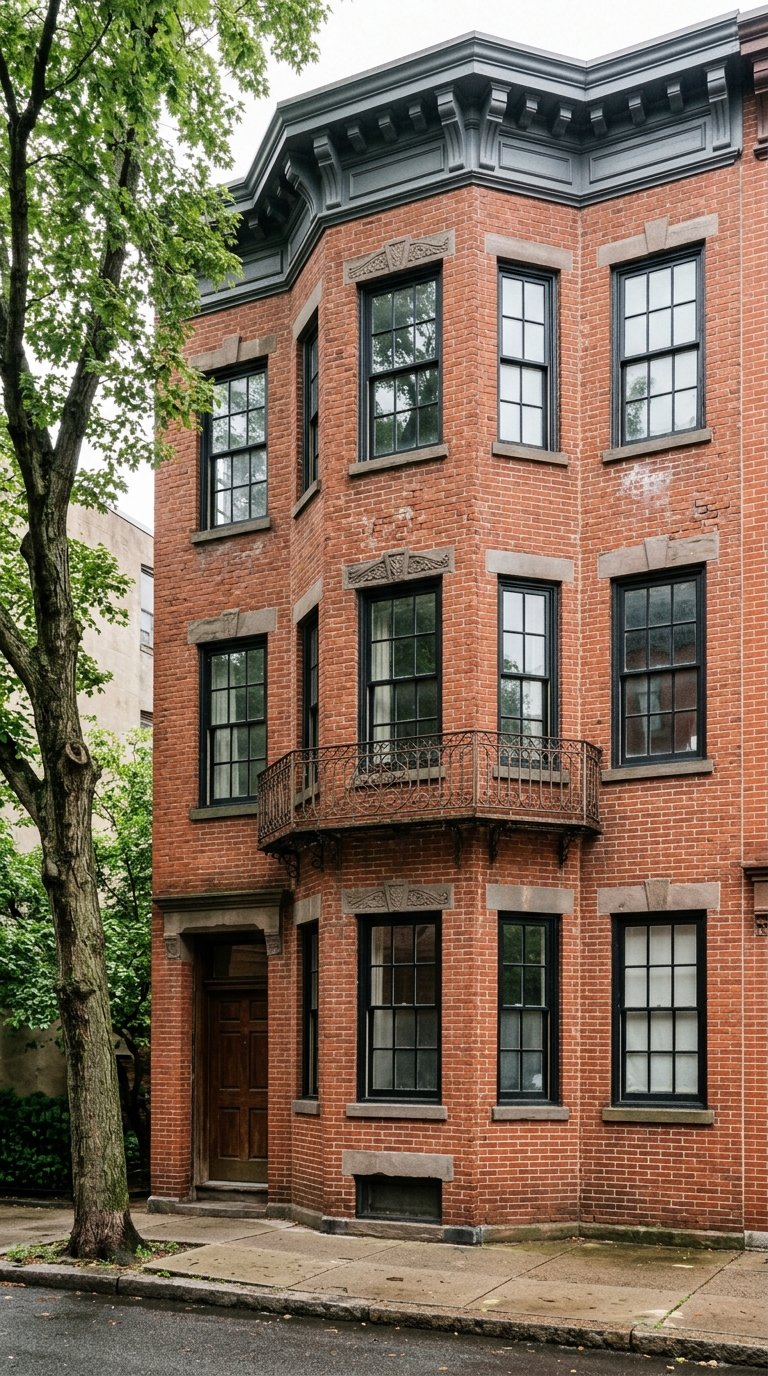
Much of the neighborhood was built in the late 1800s on land created from former tidal flats. That history explains the elegant grid and consistent Victorian and late‑Victorian façades. Parts of Back Bay are protected within an architectural district, so exterior changes are reviewed for preservation. That keeps the look cohesive and also shapes what renovations are allowed.
Back Bay sits along the Charles River and is adjacent to the South End, Fenway/Kenmore, Beacon Hill, and downtown. Its central location makes it a hub for dining, shopping, and cultural life across Boston.
Architecture and homes
Brownstones and rowhouses
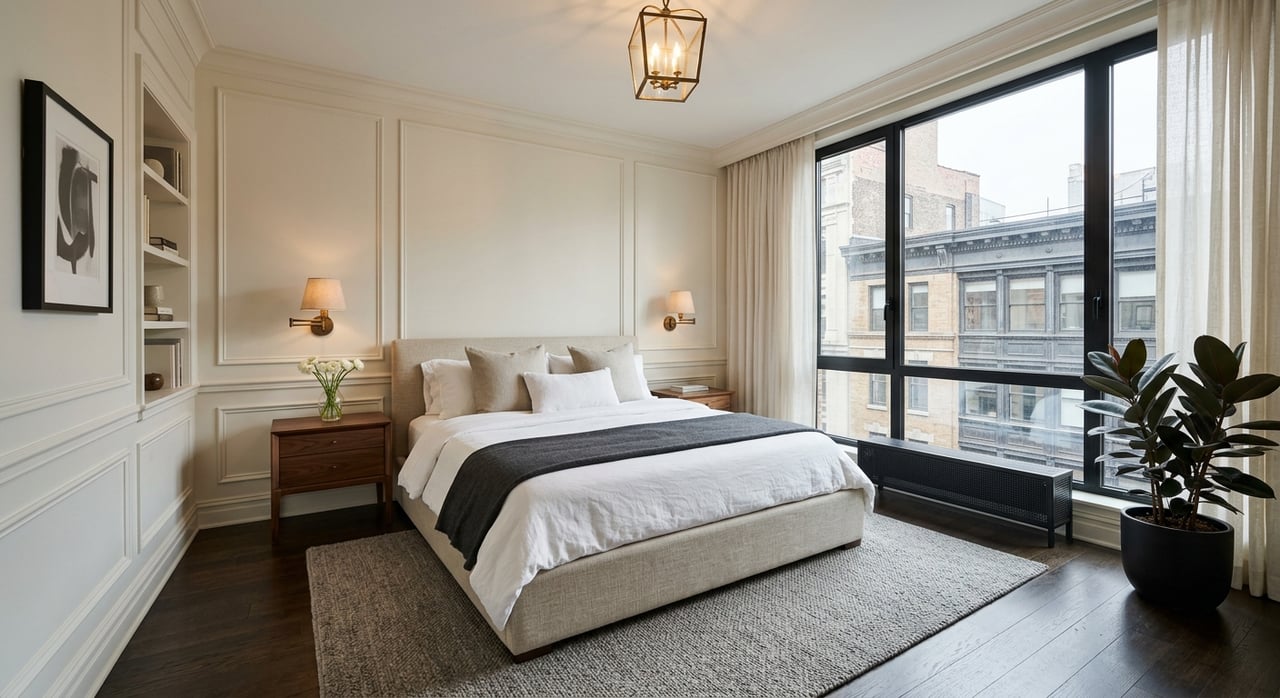
The classic Back Bay streetscape is a row of 19th‑century brick or stone townhouses. Many have been subdivided into condominium units, while others remain single residences. Expect period details, narrower footprints, and a strong neighborhood feel on these blocks.
Historic building conversions
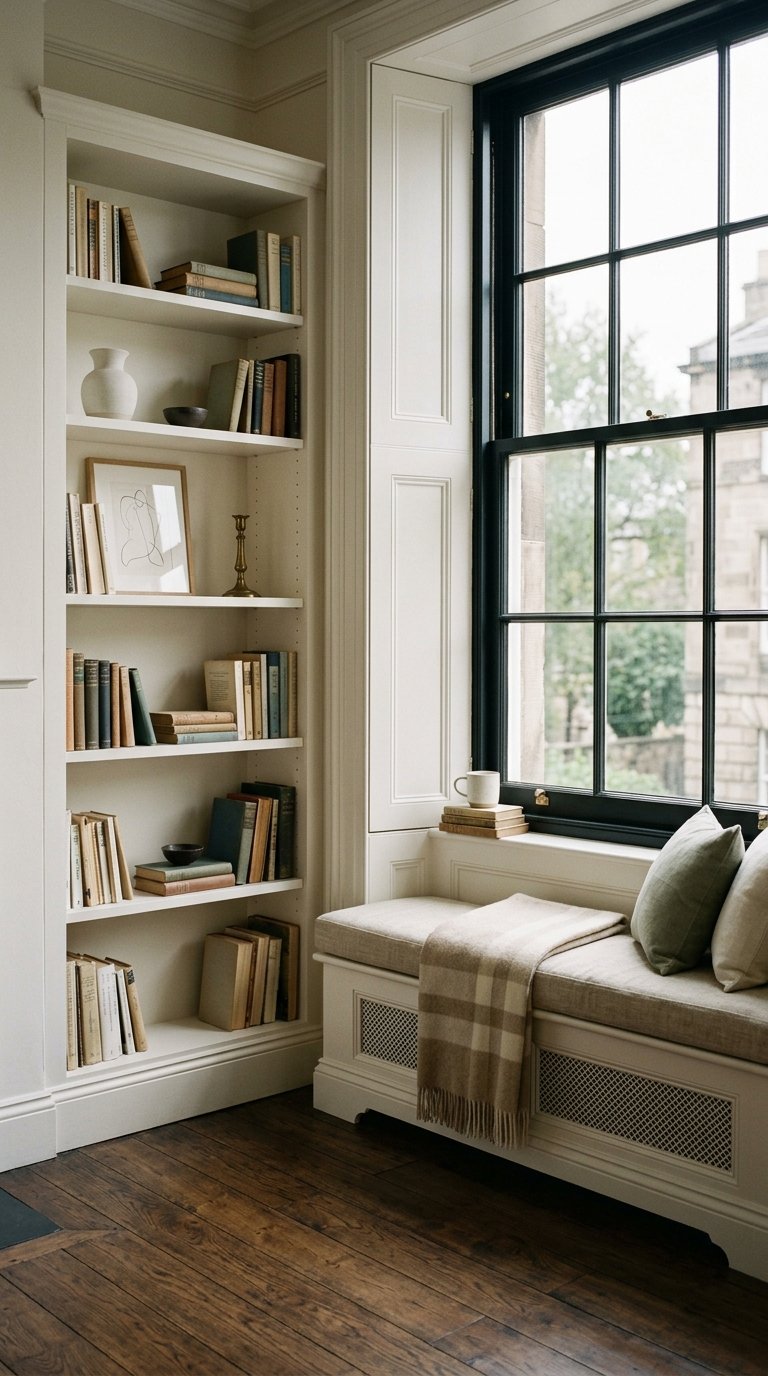
You’ll also find older masonry buildings converted into condos. These often pair original character with updated systems and layouts. Finishes and floor plans vary, so value can hinge on the quality of the conversion and the building’s maintenance history.
High‑rise and amenity towers
Near the Prudential and Copley corridors, mid‑ to high‑rise residences offer amenities like concierge service, gyms, garage parking, and sometimes doormen. If you want lock‑and‑leave convenience with services in the building, this is where you’ll look.
Ownership and ongoing costs
Most purchases here are either condominiums with monthly HOA fees or fee‑simple brownstones. Condo fees can cover building insurance, common areas, and sometimes heat or hot water, which affects your monthly costs beyond mortgage and taxes. Brownstone owners handle roof, façade, and mechanical maintenance directly, so you should plan for periodic capital work and reserves.
Renovation and preservation
In parts of Back Bay, exterior changes such as windows, cornices, and paint colors are reviewed by local preservation authorities. Buyers planning work should budget time, obtain approvals, and hire contractors experienced with historic properties. Interior renovations in condos may also require association approval.
Daily life and walkability
Back Bay is one of Boston’s most walkable areas. Sidewalks are continuous and wide, and the grid makes it easy to navigate. Newbury Street and Boylston Street deliver a mix of independent boutiques, national brands, cafés, salons, and galleries. Everyday services like grocers and pharmacies are nearby, though the overall retail mix leans upscale.
Side streets are more residential and quieter, which keeps daily life balanced. Mornings bring joggers on Commonwealth Avenue Mall and commuters heading to transit. Evenings are lively near restaurants and cultural venues, while the tree‑lined blocks feel settled and neighborly.
Transit and mobility
Back Bay Station connects you to the MBTA Orange Line, multiple commuter rail lines, and Amtrak. The Green Line stops at Copley and Arlington depending on your exact location. Several bus routes serve the area too.
Many residents live car‑free or car‑light. Street parking is limited and regulated, residential permits are common, and garage parking can be costly. Proximity to the Charles River paths and local bike lanes makes cycling attractive for short trips. Citywide bike‑share stations add flexibility for errands and commutes.
Parks and open space
You are never far from green space here. The Commonwealth Avenue Mall provides a linear, tree‑shaded promenade through the heart of the neighborhood. The Boston Public Garden edges Back Bay near Copley, offering seasonal blooms and open lawns. A short walk brings you to the Charles River Esplanade for running, cycling, and waterfront views.
Pocket parks and well‑planted sidewalks add breathing room between the busier commercial corridors and the quiet residential blocks.
Dining, shopping, and culture
Newbury Street is the neighborhood’s signature retail corridor, lined with cafés, boutiques, art galleries, and specialty shops. Boylston Street ups the energy with dining and larger retailers. Copley Place and the Prudential Center add luxury shopping and services under one roof.
Copley Square anchors the cultural scene with the Boston Public Library and Trinity Church. Back Bay’s location also places you close to Symphony Hall and major performance venues. Whether you want a casual brunch, a midweek bistro dinner, or a night at the symphony, you can walk to most of it.
Schools and everyday logistics
Back Bay is within the Boston Public Schools district, and public school assignments vary by address. Families also consider private options. Homes here tend to favor condo living over large yards, so many residents are singles, couples, downsizers, or part‑time owners. Storage and parking are often limited, which makes in‑building amenities and extra storage space valuable.
Who Back Bay suits
- Young professionals and dual‑income households who value transit, dining, and a prestige address.
- Downsizers seeking a refined, lower‑maintenance home with strong services and security.
- Pied‑à‑terre and second‑home buyers who want proximity to business districts, the airport, and Amtrak.
- Investors and landlords who recognize the neighborhood’s historic strength, while navigating current regulations and condo rules around renting.
Key tradeoffs to weigh
- Pros: exceptional walkability, cultural access, historic architecture, robust transit, and strong long‑term appeal.
- Cons: premium pricing and carrying costs, limited inventory, constrained parking, tourist activity on main corridors, and renovation rules in historic areas. Many historic units have smaller footprints compared to newer construction.
Buying smart in Back Bay
Timing and inventory
Supply is often tight, especially for top‑tier streets and buildings. Spring typically sees more activity, but unique or luxury properties trade year‑round. Be prepared to act quickly when the right home appears.
Condo fees and what they include
Ask for a clear breakdown of what monthly fees cover, from heat and hot water to elevator maintenance and reserves. Review budget health, capital plans, and any pending special assessments.
Brownstone due diligence
For fee‑simple brownstones or converted units, assess roof age, masonry condition, windows, and mechanical systems. Historic‑district exterior work can require specific materials and skilled trades, which affects timelines and costs.
Inspections and systems
Choose inspectors familiar with historic masonry buildings. Pay attention to electrical capacity, HVAC, plumbing, foundation, and moisture management. In older conversions, verify that updates meet current standards and were permitted.
Taxes and carrying costs
Model your total monthly outlay, including mortgage, taxes, insurance, utilities, and any parking or storage fees. Luxury buildings may have higher insurance and amenity costs, which are worth weighing against the convenience they deliver.
Parking and storage
If you need a car, consider units with deeded parking or reliable garage access. Storage is at a premium, so in‑building storage units or well‑planned closets add real value. For moves, high‑rises often offer freight elevators and scheduling, while brownstones may require stair carries and street permits.
Remodeling and approvals
Exterior changes in protected areas require review, and condo associations may regulate interior work. Plan ahead, secure approvals, and work with teams experienced in historic compliance.
A day in the life
Start with coffee from a corner café, then jog beneath the elms on Commonwealth Avenue Mall or along the river. Stroll Newbury Street for errands and a late brunch before crossing to the Public Garden for an hour with a book. In the afternoon, meet a friend for shopping near the Prudential, then walk home on a quiet side street with townhouses lit by golden hour. Dinner might be a neighborhood bistro, followed by a short ride to a concert. The best part is how compact everything feels. You live where the city comes to you.
Is Back Bay right for you?
If you want a refined urban lifestyle with architecture that makes every walk a pleasure, Back Bay delivers. The tradeoffs are real, from premium pricing to parking constraints, but the neighborhood’s walkability, culture, and centrality are hard to match.
If you’re considering a move, you deserve precise guidance on buildings, condo associations, preservation rules, and off‑market opportunities that never hit public channels. For discreet advice and access to private exclusives in Back Bay, connect with Megan Kopman for a private consultation.
FAQs
Is Back Bay walkable for daily errands?
- Yes. Most residents can walk to cafés, shops, grocers, pharmacies, and services, with Newbury and Boylston as primary corridors.
What transit options serve Back Bay residents?
- Back Bay Station offers the Orange Line, commuter rail, and Amtrak, while Green Line stops at Copley and Arlington connect you across Boston.
How difficult is parking in Back Bay?
- Street parking is limited and regulated, many residents use permits or garages, and parking can be costly compared to other neighborhoods.
Are brownstones harder to maintain than condos?
- Usually yes. Brownstone owners handle exterior and systems upkeep and may face historic‑district requirements that add time and cost.
What renovation rules should I expect?
- Exterior changes in protected areas are reviewed for preservation, and condo associations may require approval for interior work.
Is Back Bay a good fit for families?
- It can be, but homes often have smaller footprints and limited yard space; public school assignments depend on your address.
Is Back Bay strong for investment potential?
- Historically, the neighborhood has been stable with strong demand; always review current market conditions and condo rules before buying.