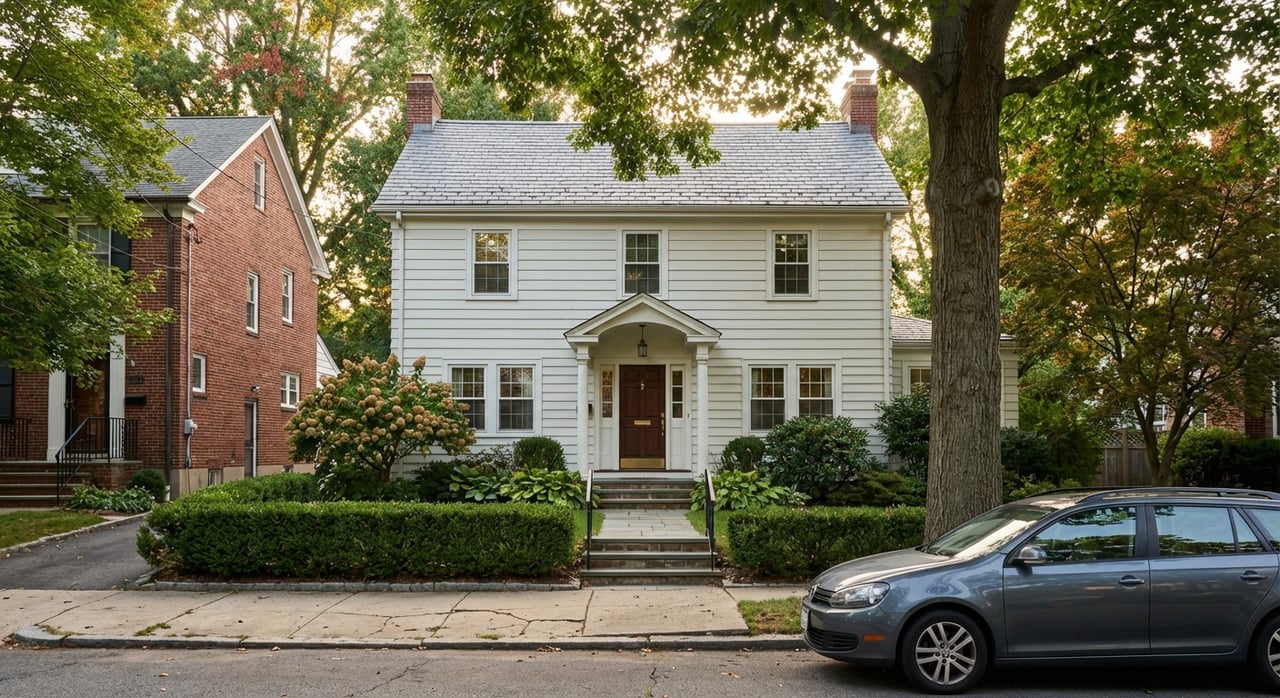
Looking at single-family homes or luxury condos in Newton and wondering if you’ll need a jumbo mortgage? You’re not alone. Prices in Newton and nearby Middlesex County communities often sit above national averages, which means many buyers cross the conforming threshold. In this guide, you’ll learn how jumbo loans work here, what top lenders expect, how rates compare, and how to prep a strong file that moves you to the front of the line. Let’s dive in.
Jumbo basics: the Newton threshold
A jumbo loan is any mortgage that exceeds the conforming loan limit set by the Federal Housing Finance Agency. Conforming loans can be sold to Fannie Mae or Freddie Mac, while jumbos are held by private lenders, so standards differ. Limits change each year, and they vary by county.
Before you shop, verify the current conforming limit for Middlesex County using the FHFA’s official loan limit lookup. You can search the county and the Cambridge–Newton–Framingham area in the tool to see the exact number for this year. Use the FHFA site’s conforming loan limit lookup to confirm whether your target price will require a jumbo.
Because Newton often carries higher price points, many buyers will cross that line and use jumbo financing. That affects your down payment, reserves, and documentation, so planning early is key.
Use the FHFA conforming loan limit lookup to verify Middlesex County’s current limit.
Why many Newton buyers use jumbos
Newton offers a large share of premium single-family homes and high-end condo developments. Cambridge and nearby suburbs in Middlesex County show similar dynamics, with new luxury projects and renovated properties. With pricing above national norms, a significant slice of inventory requires jumbo financing.
At higher price points, appraisals can be complex due to fewer comparable sales. Lenders may request a full interior and exterior appraisal and can be conservative on value. For condos, some lenders add project-level reviews that look at reserves, owner occupancy, and any litigation.
What top lenders look for
While every lender sets its own rules, these themes are common for well-qualified jumbo borrowers.
Credit and documentation
- Strong credit is expected, often 700 to 760 plus for the best pricing.
- Full documentation is standard: recent pay stubs, W‑2s, and two years of tax returns if applicable.
- Non‑traditional income like bonuses or partnership distributions typically requires extra verification and business returns.
For a quick overview of typical mortgage documents, see the CFPB’s guidance on mortgage documentation.
Down payment and LTV
- Many purchase jumbos start with 10 to 20 percent down for strong borrowers.
- Higher LTVs can require excellent credit, lower DTI, and larger reserves.
- Investment or second‑home loans often require larger down payments.
Reserves and assets
- Expect higher reserve requirements than conforming loans.
- Primary residence purchases often call for 6 to 12 months of total housing payments on hand.
- More expensive loans, multiple properties, or investment homes can require 12 to 24 months.
Debt‑to‑income (DTI)
- Common DTI caps range from 43 to 50 percent.
- Lenders may qualify ARMs at a higher “stress” rate, which changes your maximum approved amount.
Condo and project requirements
- Lenders scrutinize condo projects for reserves, owner‑occupancy, and commercial exposure.
- New or small luxury projects can trigger additional reviews or higher down payment needs.
Cash‑out and investment properties
- Cash‑out refinances usually carry stricter LTV caps and higher rates.
- Investment property jumbos often need 20 to 30 percent down and robust reserves.
Rates: how jumbos price vs. conforming
Conforming loans benefit from a government‑sponsored secondary market, which supports liquidity and often lower rates. Jumbos are funded by private capital, so pricing reflects lender risk models and investor appetite. Depending on market conditions, jumbo rates might be slightly higher than conforming or, for top‑tier borrowers, very close.
To track the broader rate environment, review the Freddie Mac Primary Mortgage Market Survey. Then compare real quotes for jumbo products from multiple lenders, since spreads can vary by credit profile, loan size, occupancy, and product type. Larger loans can have pricing tiers, and second homes or investment properties usually carry premiums.
ARM vs. fixed for high‑earners
Jumbo products typically include 30‑year fixed and common ARM structures such as 5/1, 7/1, or 10/1. ARMs often start with a lower rate than a fixed mortgage, but the rate can change after the initial period.
When an ARM can make sense
- You plan to sell or refinance within 5 to 10 years.
- You have a clear liquidity event on the horizon, like vested stock or a bonus schedule.
- You want a lower initial payment to invest capital elsewhere.
When a fixed is better
- You expect to hold the property for 7 to 10 plus years.
- You value payment stability and easier budgeting.
- You prefer a long‑term hedge against rising rates.
How ARMs are underwritten
Lenders may qualify you at the fully indexed rate, not the initial teaser rate, which can lower your maximum loan amount. Review ARM mechanics with a trusted lender and explore caps and margins to understand future payment scenarios. For basics on ARMs, see the CFPB’s explanation of adjustable‑rate mortgages.
Pre‑approval checklist for Newton jumbos
Gather documents early so you can move quickly when the right property appears.
- Government ID and Social Security number.
- Two years of federal tax returns and W‑2s, plus recent pay stubs.
- Two to three months of bank statements for checking and savings.
- Brokerage and retirement account statements to document reserves.
- Documentation for any large deposits or gifts.
- 1099s for contractors; P&L and balance sheet if self‑employed.
- Mortgage statements for any current properties and HOA dues if relevant.
- Property tax bills for current holdings.
- Letters of explanation for any credit anomalies.
- If financing a condo, HOA budget, insurance certificate, litigation disclosures, and recent meeting minutes.
Pro tips: avoid opening new credit lines, large unexplained transfers, or major purchases during underwriting. Keep assets seasoned and maintain clear paper trails.
Local deal factors to plan for
- Appraisals: High‑end properties can have limited comps. Build time for a full appraisal and potential value questions into your timeline.
- Condo approvals: Luxury projects can face stricter lender reviews. Confirm project eligibility and reserves early.
- Taxes and carrying costs: Include Newton property taxes, HOA dues, and insurance in your affordability and reserve planning.
- Title and insurance: Higher‑value properties can uncover easements or restrictions. Order title early and resolve issues before deadlines.
- Local lender network: Lenders active in Greater Boston’s jumbo market understand condo nuances and appraisal challenges, which can speed approvals.
How Kopman Adler helps you win
You want more than a pre‑approval letter. You want a plan that aligns financing, property selection, and timing.
- Off‑market access: Our network uncovers private and coming‑soon options that reduce bidding pressure and expand your choices.
- Lender strategy: We help you match with lenders who regularly close jumbos in Boston and Middlesex County, then structure terms that strengthen your offer.
- Offer framing: We coordinate with your lender on proof of funds, rate locks, and realistic timelines so sellers see a low‑risk close.
- Condo diligence: For luxury condos, we organize HOA documents early to clear lender reviews without surprises.
- Seamless execution: With legal and development fluency, we anticipate issues and keep your deal on track.
Ready to secure the right home with a financing plan that fits your goals? Request a private consultation with Megan Kopman.
FAQs
Do I need a jumbo loan to buy in Newton?
- Check the FHFA conforming loan limit for Middlesex County; if your loan amount exceeds it, you’ll use a jumbo product.
How do I find the current conforming limit in Middlesex County?
- Use the FHFA’s online lookup tool to verify the current county limit before you write offers.
Are jumbo mortgage rates much higher than conforming?
- It depends on market conditions and your profile; top borrowers often see small spreads versus conforming, while higher‑risk files pay more.
What down payment do jumbo lenders usually require?
- Many purchase jumbos start at 10 to 20 percent down for strong borrowers, with higher requirements for condos, second homes, or investments.
How many months of reserves will I need for a jumbo in Newton?
- Primary residence purchases often require 6 to 12 months of reserves, and more for larger loans, multiple properties, or investment homes.
Should I choose an ARM or a fixed‑rate jumbo?
- If you plan to sell or refinance within the ARM’s fixed window, an ARM can save money; for long holds and budgeting certainty, a fixed rate is often better.
What do lenders review for luxury condos in Newton or Cambridge?
- Lenders review project reserves, owner‑occupancy, commercial exposure, and any litigation, and may require extra documentation for new or small projects.