Why do KOPMAN ADLER + CO listings outperform the market?
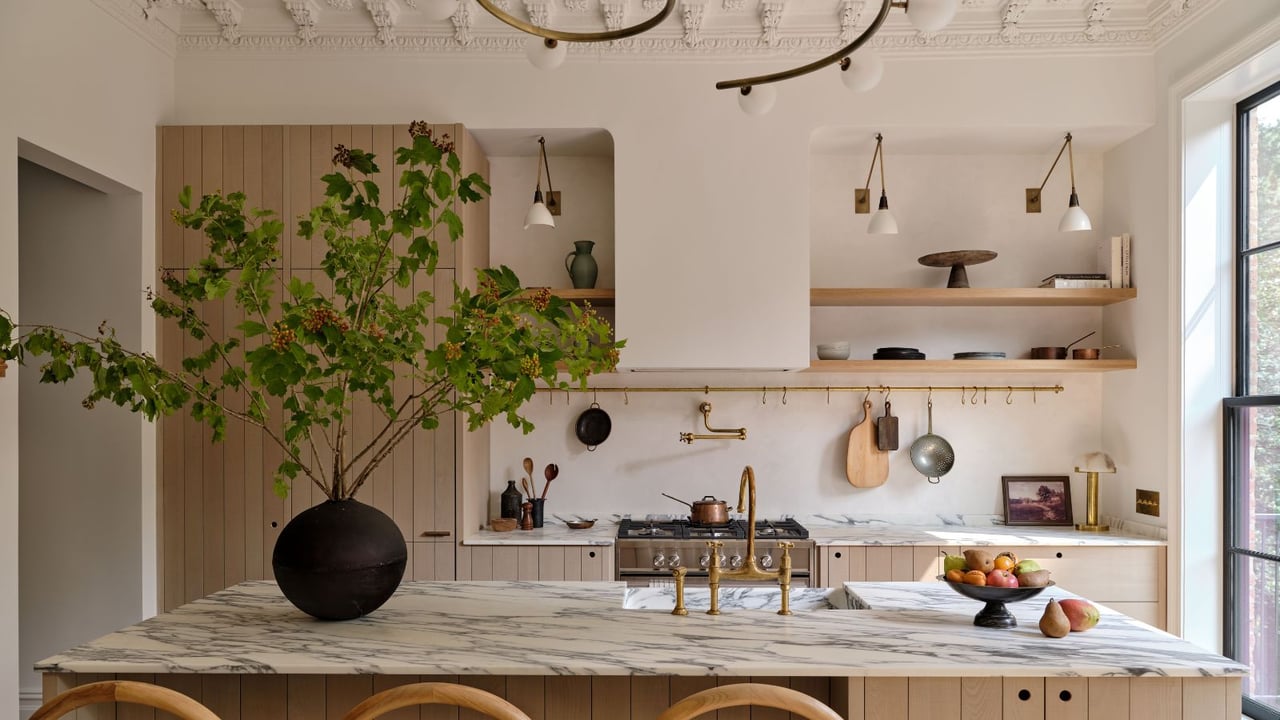
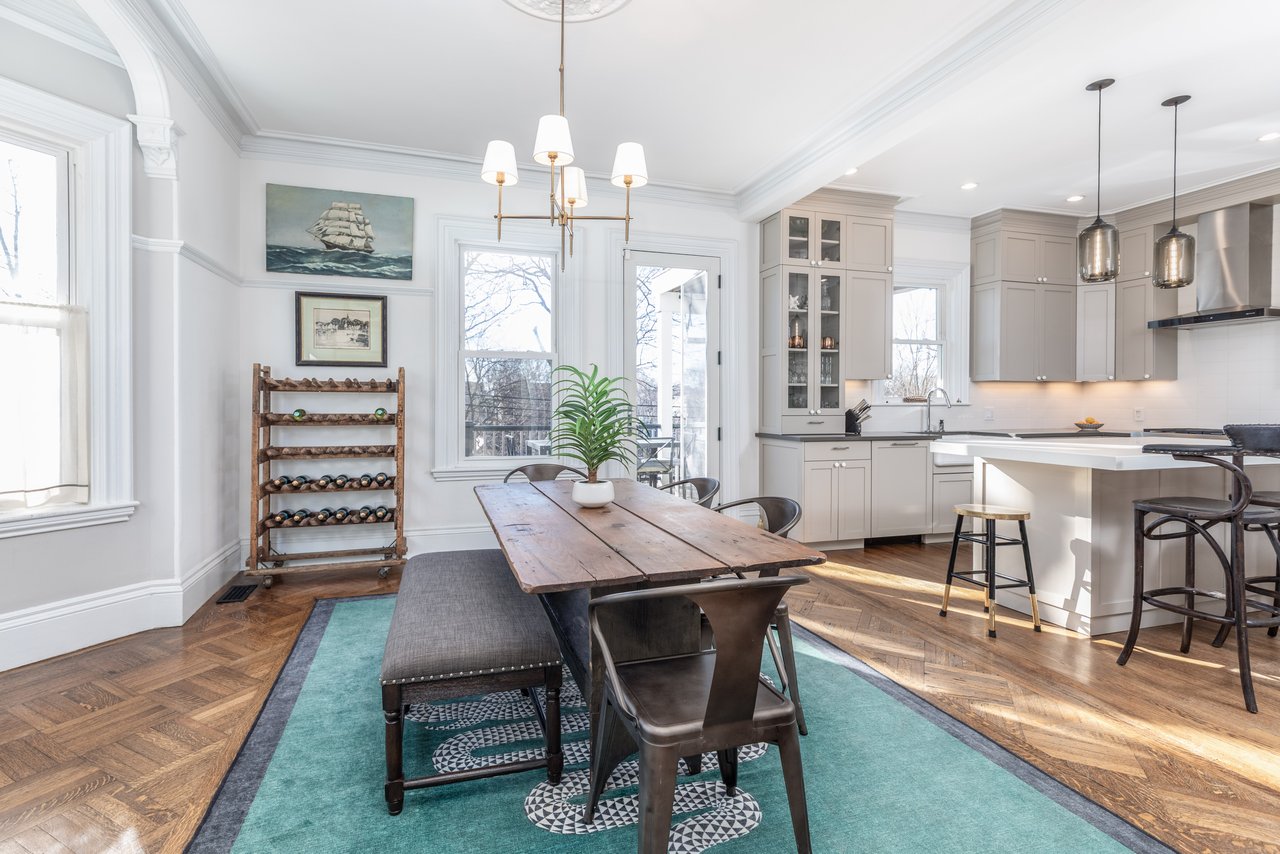
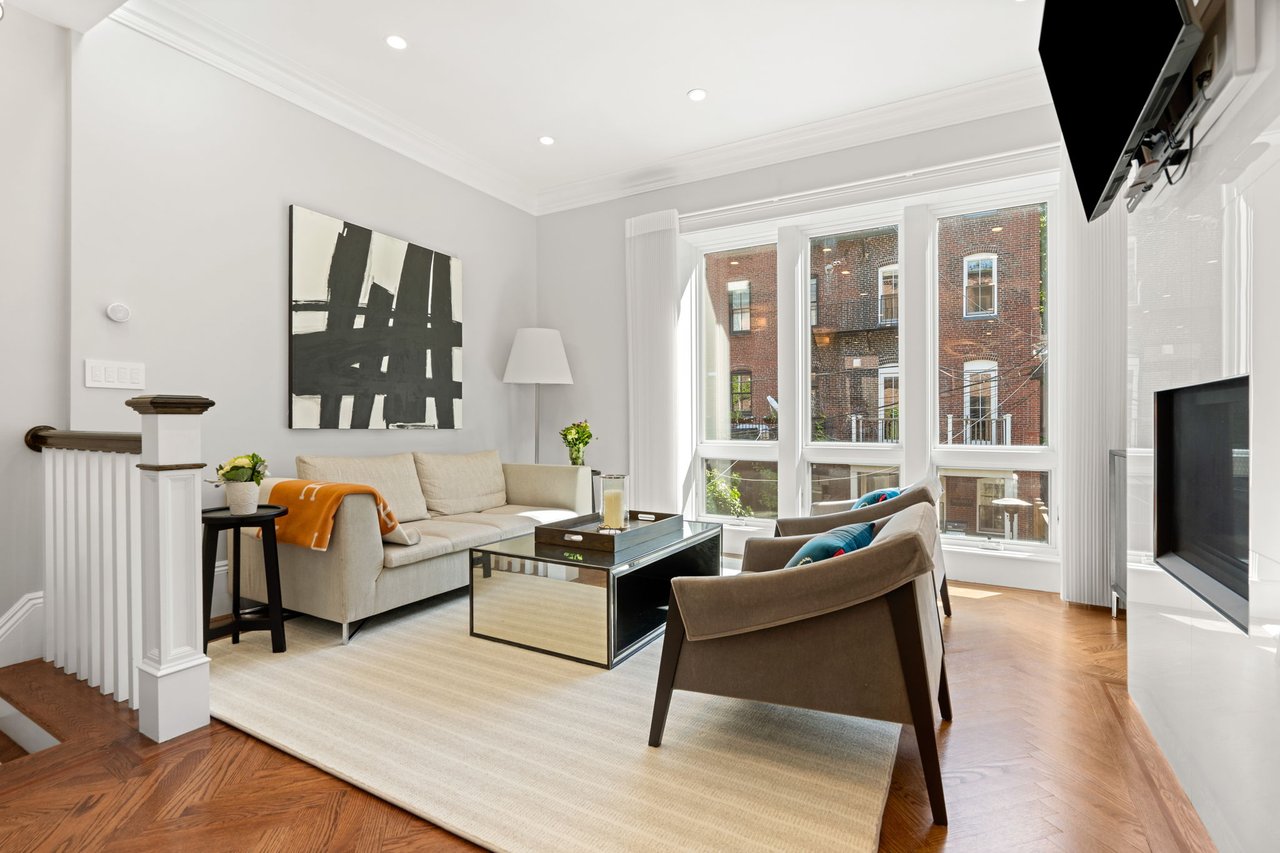
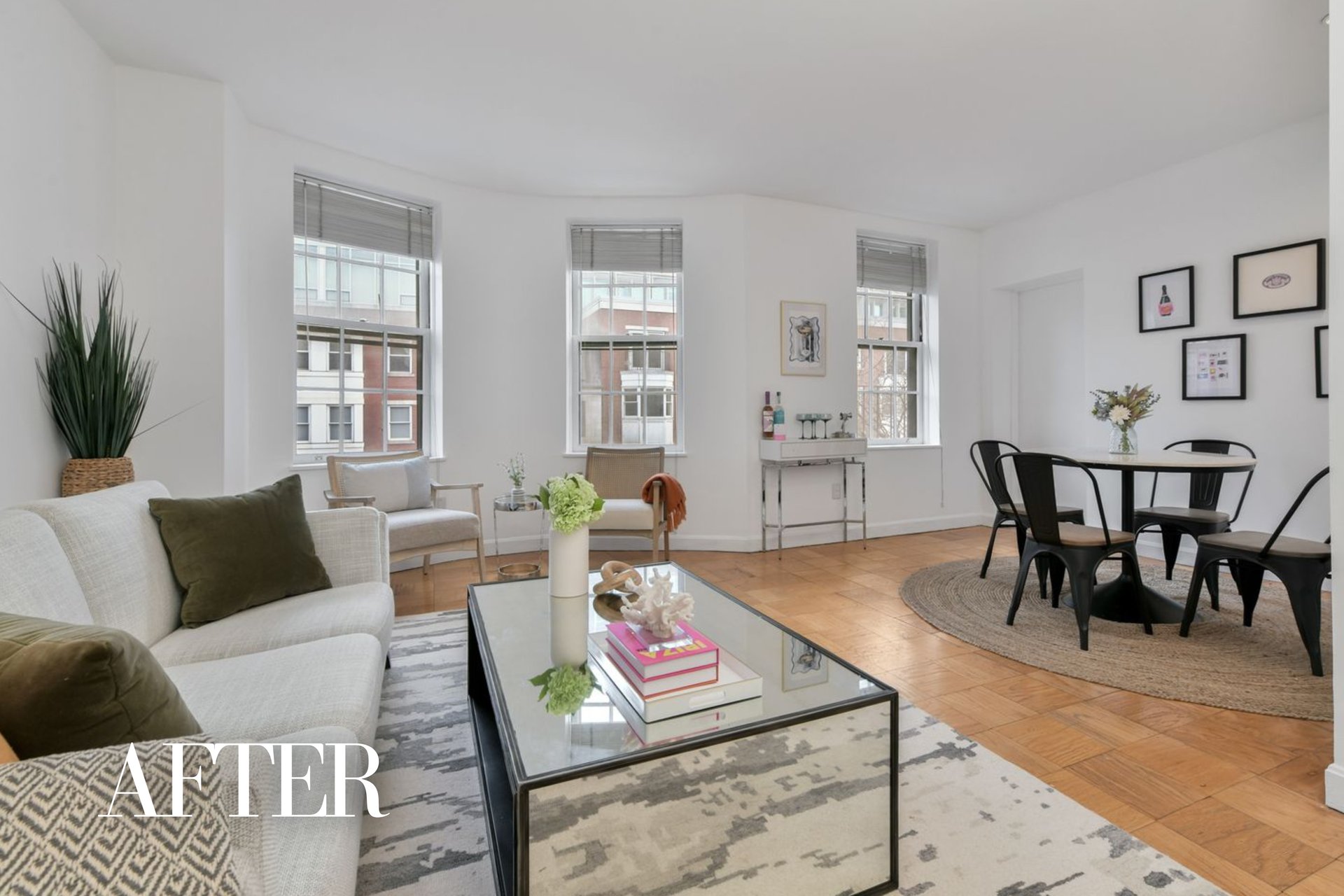
Kopman Adler + Co. listings consistently sell for higher list to sale price ratios than the market as a whole because we stage each home in house with our own curated staging inventory of furnishings, art and rugs.
In Boston’s luxury markets, the South End, Back Bay and Beacon Hill, presentation is not decoration. It is positioning.
For years, traditional staging followed a predictable formula: neutral furniture, minimal personality, and broad appeal. While that approach may still work in mid-range markets, it often underperforms at the high end. Agents would hire a stager and have no input but would “check” the staging box.
Most staging looks exactly the same from house to house often making it hard for a buyer to remember one house from the next.
We realized early on that hiring stagers to tell the stories of our properties was never going to be a value add for any of our sellers so we embarked on a 20 year journey of acquiring a full complement of furnishings, art and rugs that would enhance our seller’s homes. We now stage every listing in house with our individually curated pieces. Each rug is placed by us. Each art installation location is decided by us.
At Kopman Adler + Co., staging is not an afterthought or a box to check before photography. It is one of the most strategic levers we use to influence outcome. It is part of our pricing strategy, our marketing strategy, and ultimately our negotiation strategy.
Luxury buyers in Boston, particularly the South End, Back Bay and Beacon Hill are not looking for generic. They are looking for alignment with lifestyle, architecture, and investment value.
That is where strategic staging changes the outcome.
Traditional Staging: Designed Not to Offend
Traditional staging typically focuses on:
-
Neutral palettes
-
Basic furniture layouts
-
Depersonalized spaces
-
Broad, undefined target appeal
The goal is simplicity. The thinking is that fewer design risks attract more buyers.
But in Boston’s luxury market — particularly in Back Bay, Beacon Hill, South End, and the evolving waterfront skyline of Seaport District — buyers expect more than safety.
They expect intention.
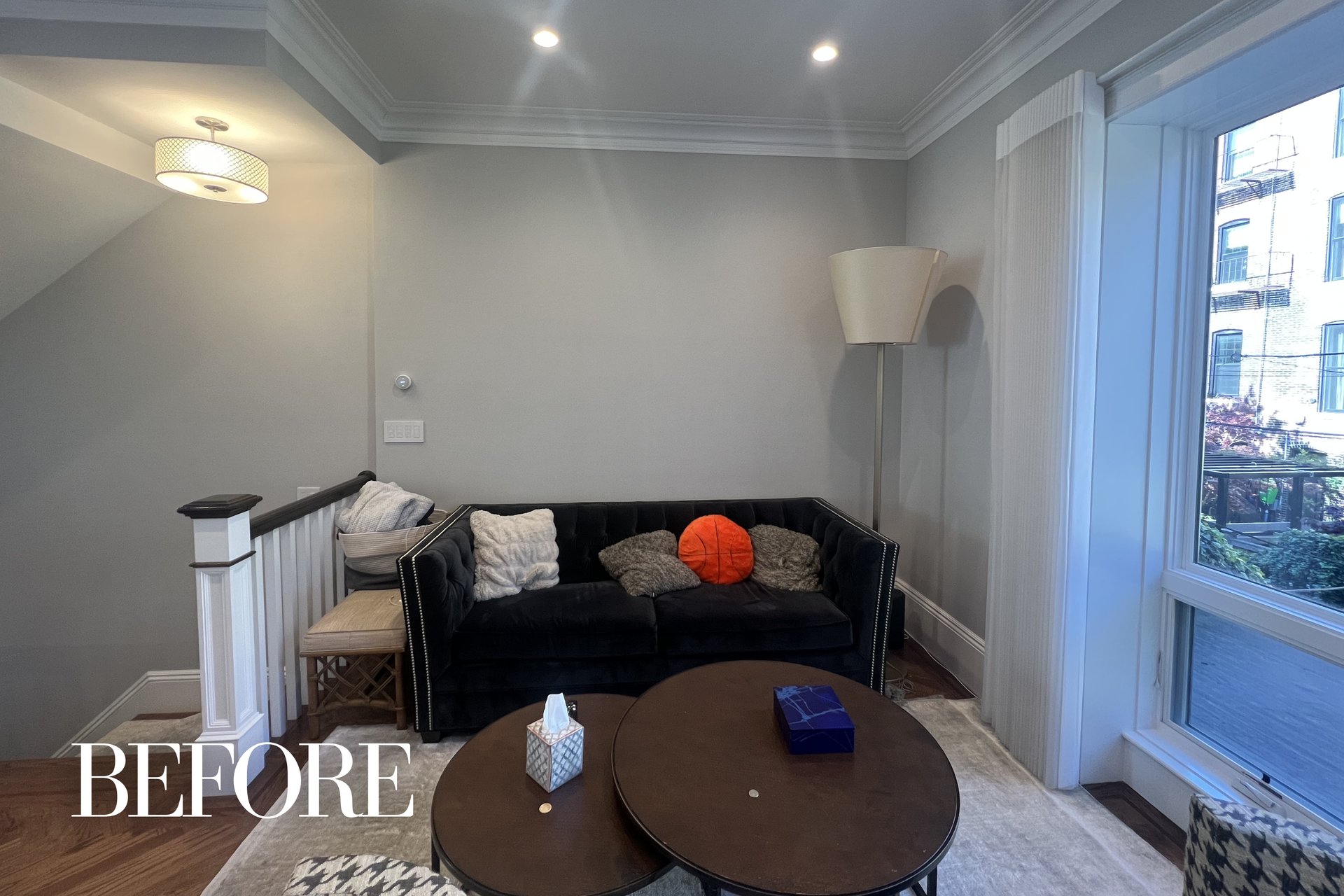
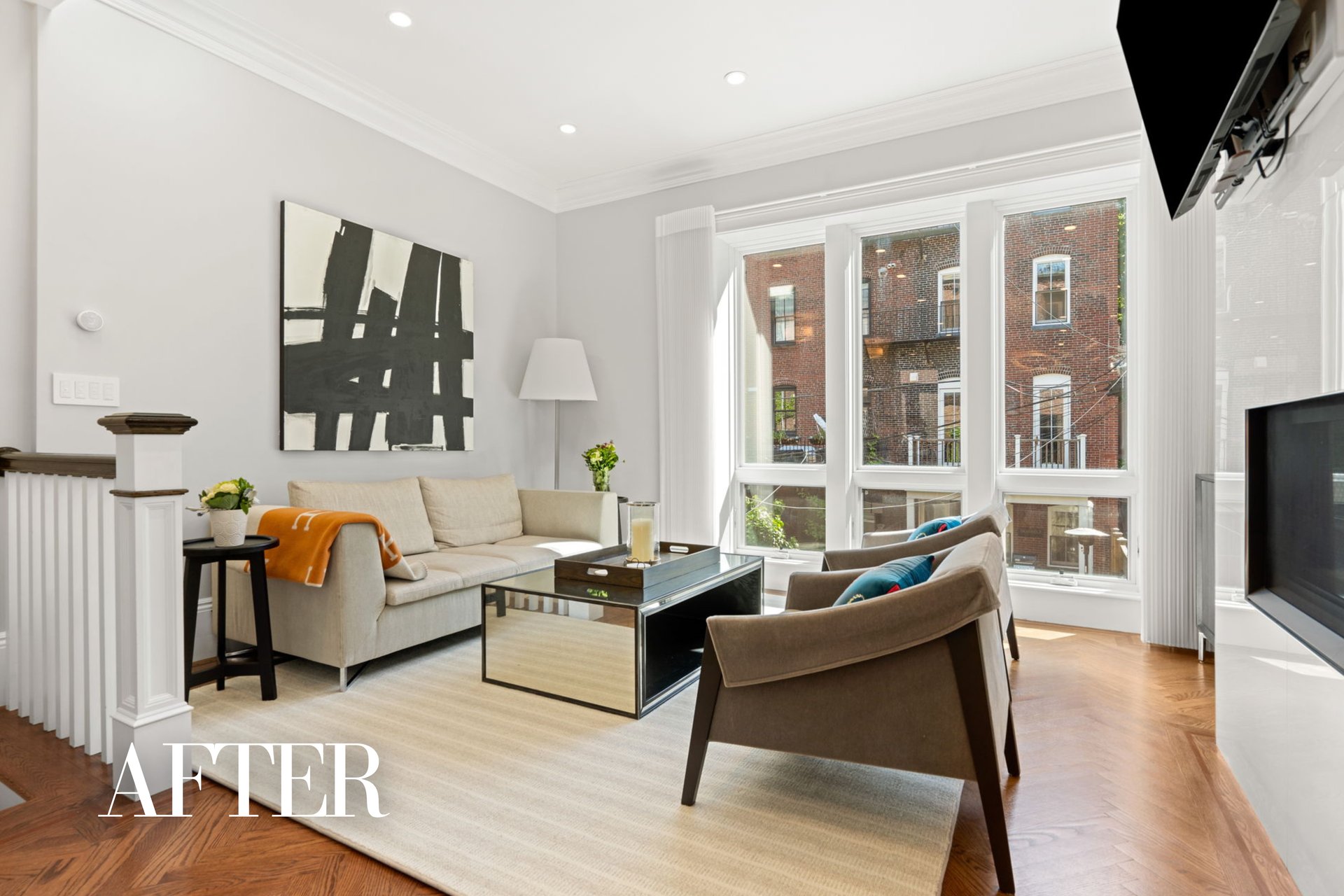
Strategic Staging: Designed to Position
Strategic staging begins with a different question:
Who is the ideal buyer for this specific property?
Instead of staging for everyone, it stages for the most likely and highest-value buyer.
That shift changes everything.
At Kopman Adler + Co., this is our bread and butter. We approach every listing with a highly analytical lens; studying buyer demographics, competing inventory, and price-point psychology before a single piece of furniture is placed. Our staging plans are customized, not templated.
Strategic staging considers:
-
Architectural context, such as a historic brownstone versus a modern glass tower
-
Buyer demographic, whether downsizing empty nesters, global investors, or design-forward professionals
-
Price point psychology
-
Competing inventory nearby
-
How the property photographs digitally
It is not about filling space. It is about reinforcing narrative.
Our team has staged everything from landmark brownstones to new-construction penthouses, and each time the objective is the same: make the right buyer feel immediately aligned with the space.
Why It Matters in Boston Specifically
The luxury market in the South End, Back Bay and Beacon Hill is layered and distinct.
Historic properties demand respect for original detail. New developments require a clean but compelling aesthetic. Waterfront residences benefit from staging that enhances view corridors rather than competes with them.
A one-size-fits-all staging approach can dilute architectural identity.
Strategic staging, by contrast:
-
Highlights original historic detail in Beacon Hill brownstones
-
Emphasizes ceiling height and light in South End penthouses
-
Frames skyline or harbor views in Seaport residences
-
Creates scale appropriate to larger suburban luxury homes
At Kopman Adler + Co., we are deeply familiar with the architectural nuances of these neighborhoods. That familiarity allows us to stage in a way that feels authentic to the property’s history while still appealing to today’s luxury buyer.
In a market where buyers are highly educated and financially sophisticated, nuance is not optional.
It is expected.
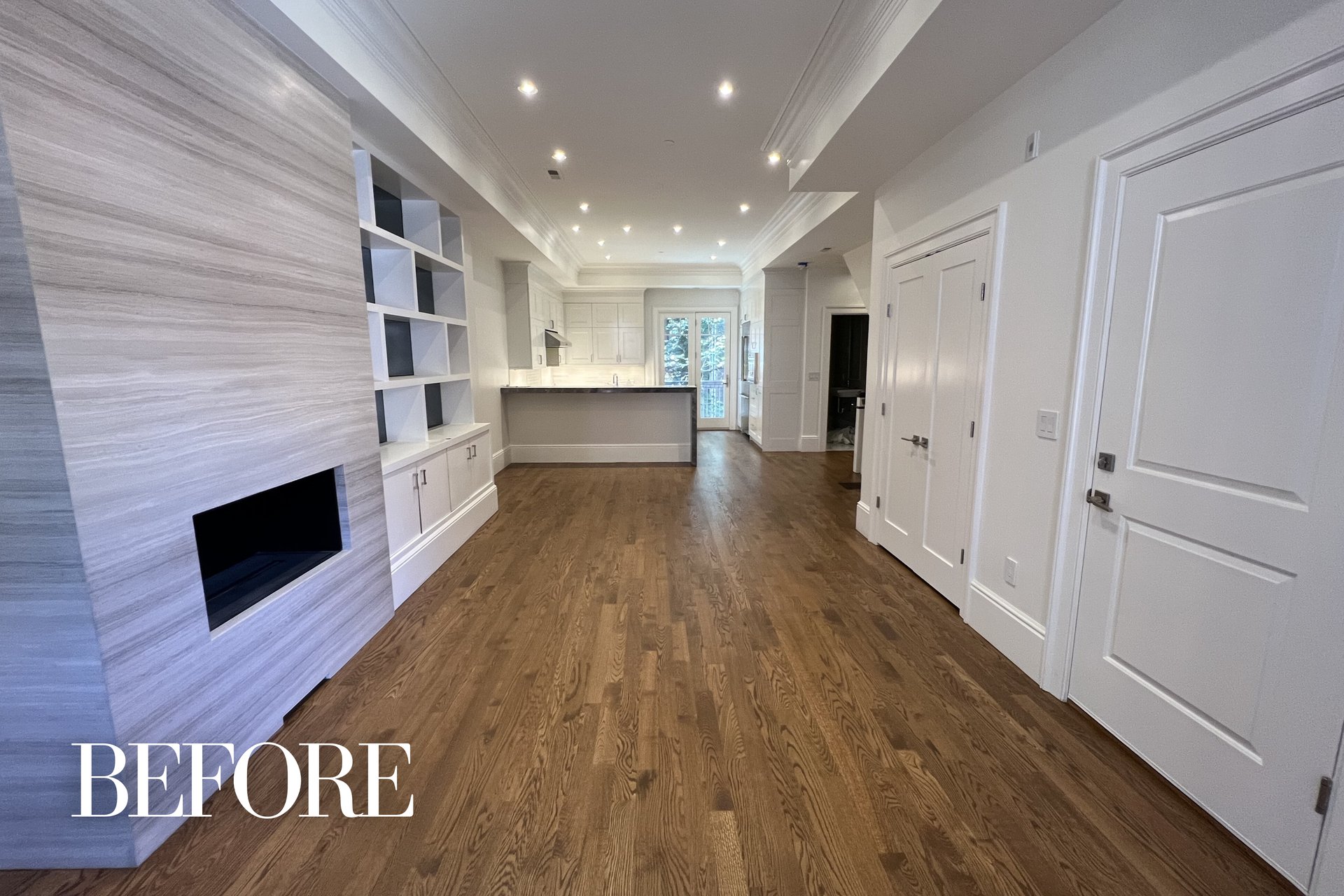
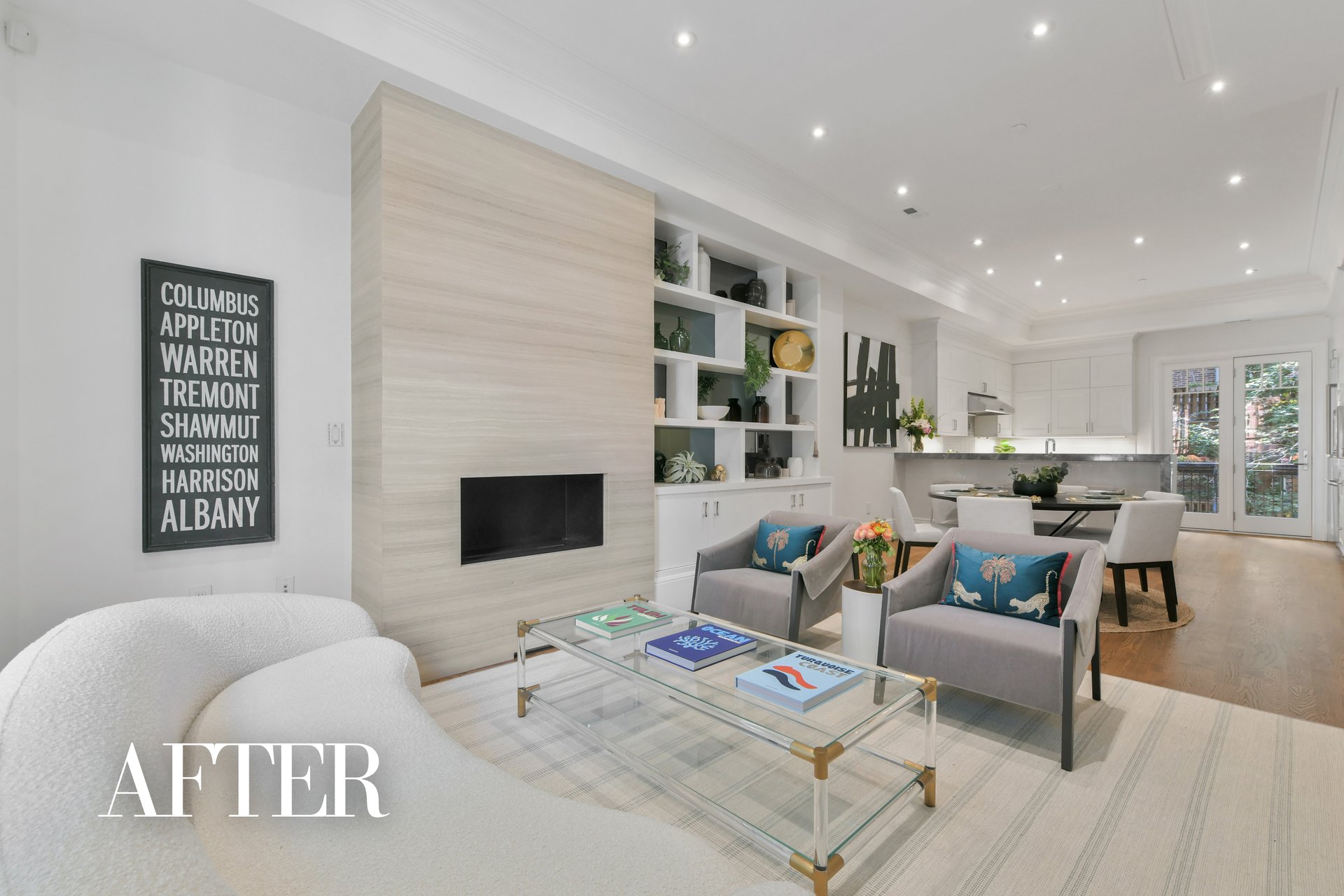
Digital First Impressions Drive Luxury Decisions
Today, nearly every luxury buyer experiences a property online before ever stepping inside.
Strategic staging is built for:
-
Photography
-
Video
-
Social media marketing
-
National and International buyer visibility
Furniture placement is adjusted for camera angles. Color contrast is selected for depth. Lighting is enhanced to create warmth on screen.
Traditional staging may look fine in person.
Strategic staging is designed to convert digitally.
Our team collaborates closely with interior design quality photographers and marketing specialists to ensure staging amplifies digital performance. In Boston’s upper-tier market — where many buyers are relocating executives, global investors, or out-of-state purchasers — the digital presentation often determines whether a showing is scheduled at all.
And in this market, conversion matters.
The Financial Advantage
Luxury staging is not a cosmetic expense. It is a pricing strategy.
Well-executed strategic staging can:
-
Shorten time on market
-
Support stronger list-to-sale price ratios
-
Reduce the likelihood of price reductions
-
Create emotional clarity around value
In high-value price points, even small percentage differences translate into meaningful financial outcomes.
We routinely advise sellers on where staging investment will generate measurable return, and where it will not. That discretion is part of our advisory role.
The goal is not to make a property look nice.
The goal is to justify and reinforce its price position.
What Sellers Often Overlook
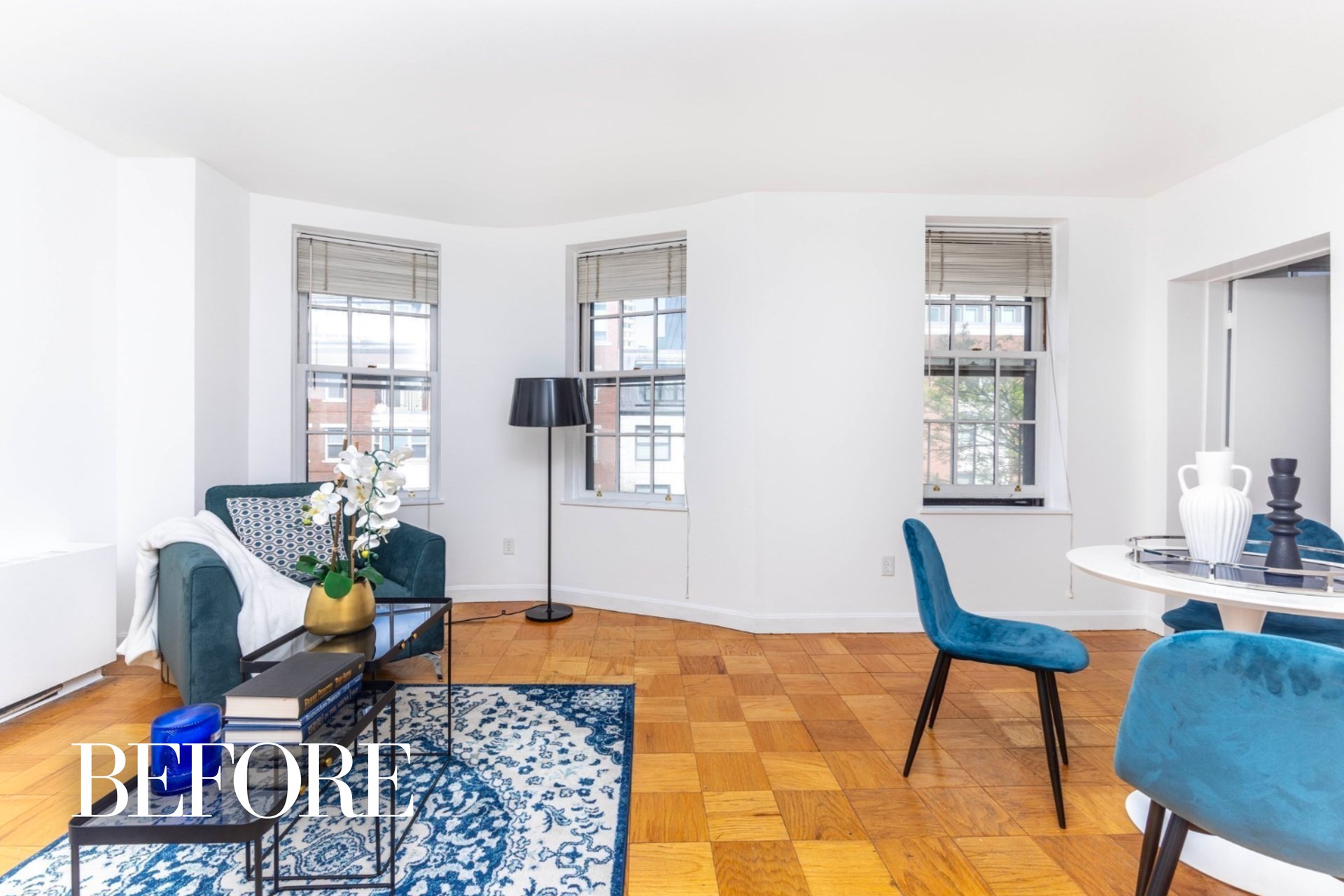
Many sellers assume staging is optional if a home is already beautiful.
But luxury buyers are not purchasing just square footage. They are purchasing a vision of how the space lives - a lifestyle.
Empty rooms feel smaller. Poor scale disrupts flow. Inconsistent design weakens perception.
Strategic staging solves for:
-
Proportion
-
Flow
-
Light balance
-
Emotional pacing from room to room
It creates cohesion, which builds confidence.
And confidence drives strong offers.
At Kopman Adler + Co., we view staging as part design, part psychology, and part market strategy. It is rarely about adding more. It is about refining what is already there and presenting it in its strongest possible light.
The Bottom Line
In Boston’s luxury markets, traditional staging plays defense.
Strategic staging plays offense.
It aligns architecture with buyer psychology. It enhances digital marketing performance. It supports pricing strength. And it elevates the entire presentation from generic to intentional.
Luxury real estate is rarely about doing more. It is about doing the right things, precisely.
At Kopman Adler + Co., strategic staging is not an add-on service. It is foundational to how we bring properties to market.
If you are considering selling and would like a tailored assessment of how our strategic staging could materially impact your outcome, we are always happy to provide guidance specific to your property, neighborhood, and price point.