In Boston Real Estate, Preparation Before Listing Often Determines Return
In Boston’s most competitive neighborhoods, preparation is not cosmetic — it is strategic.
From South End brownstones to Back Bay condos and single-family homes in Brookline or Newton, sellers often ask the same question:
Should I renovate before listing?
The answer is rarely absolute. It depends on timing, scope, buyer expectations, and micro-market conditions. When approached thoughtfully, pre-listing improvements can materially influence both perceived value and final sale performance.
Not All Renovations Perform Equally
Return on investment is not driven by how much is spent — it is driven by where it is spent.
High-impact improvements often include:
-
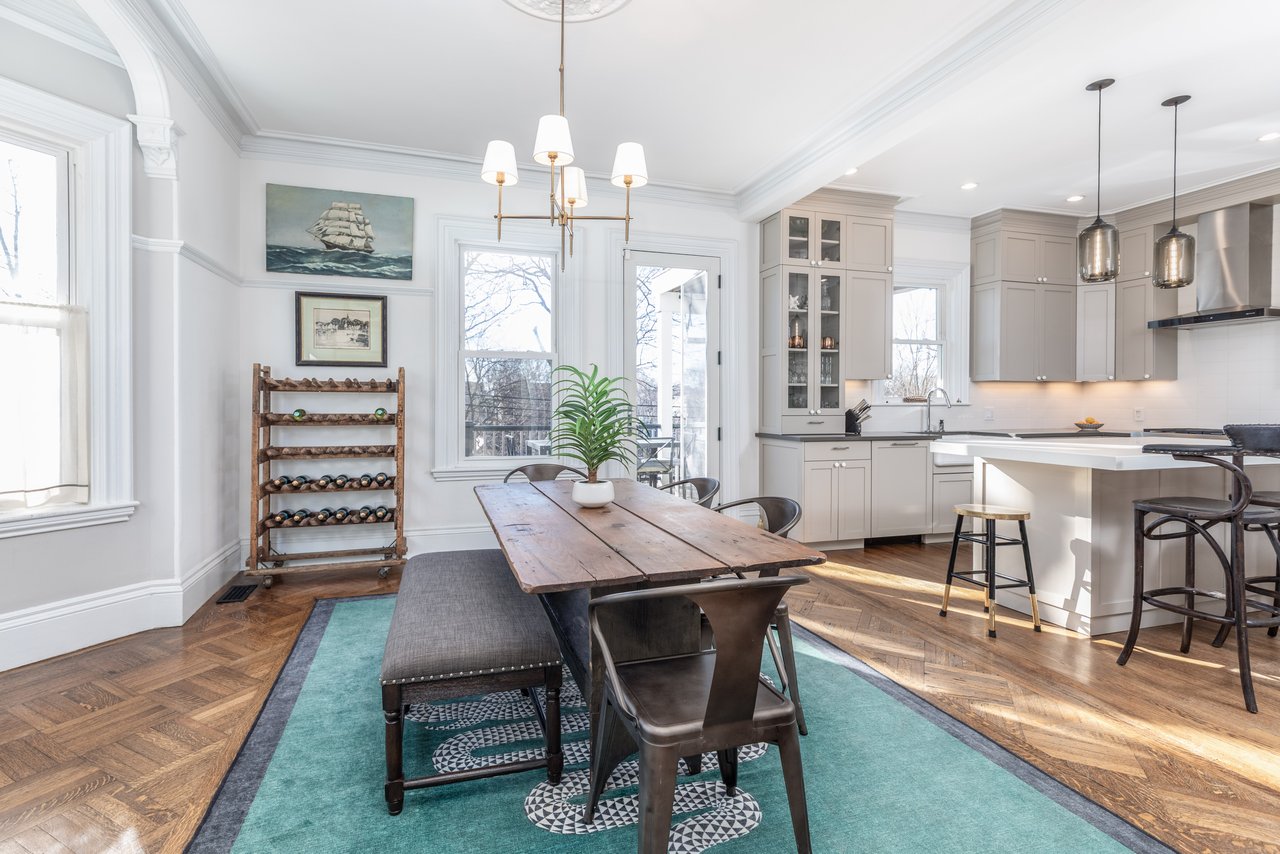
Fresh, neutral paint
-
Refinished hardwood floors
-
Updated lighting
-
Minor kitchen hardware upgrades
-
New natural stone countertops in kitchens
-
Clean, modernized bathrooms (which can sometimes be achieved by replacing a vanity)
These adjustments enhance first impressions without altering architectural integrity.
Large-scale renovations, however, require a more nuanced evaluation. Full kitchen remodels or structural alterations may not always produce proportional returns — particularly in historic properties where buyers value preserved character.
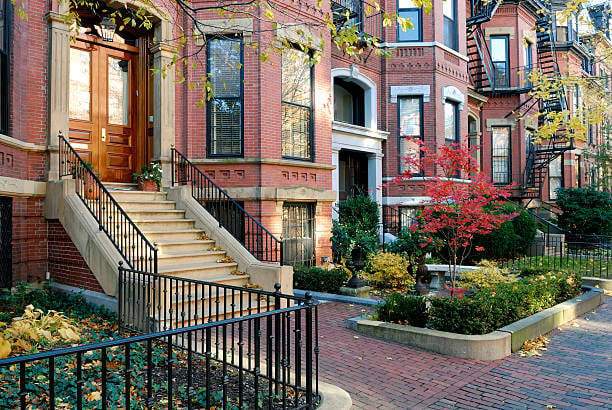
In Boston’s brownstone market, over-improving can weaken architectural authenticity.
Condition Influences Buyer Psychology
In competitive price tiers, move-in readiness reduces friction.
Buyers paying premium pricing often prefer homes that feel thoughtfully prepared rather than projects requiring immediate work. Even modest cosmetic updates can:
-
Increase showing traffic
-
Strengthen early offers
-
Shorten time on market
In many cases, perception drives momentum — and momentum drives price.
Timing and Inventory Matter
The strength of pre-listing renovations is closely tied to market conditions.
In low-inventory environments, buyers may tolerate minor cosmetic flaws. In more balanced markets, condition becomes a differentiator.
Evaluating comparable properties currently on the market — not just recent sales — provides insight into how much improvement is necessary to compete effectively.
Architectural Integrity Should Guide Decisions
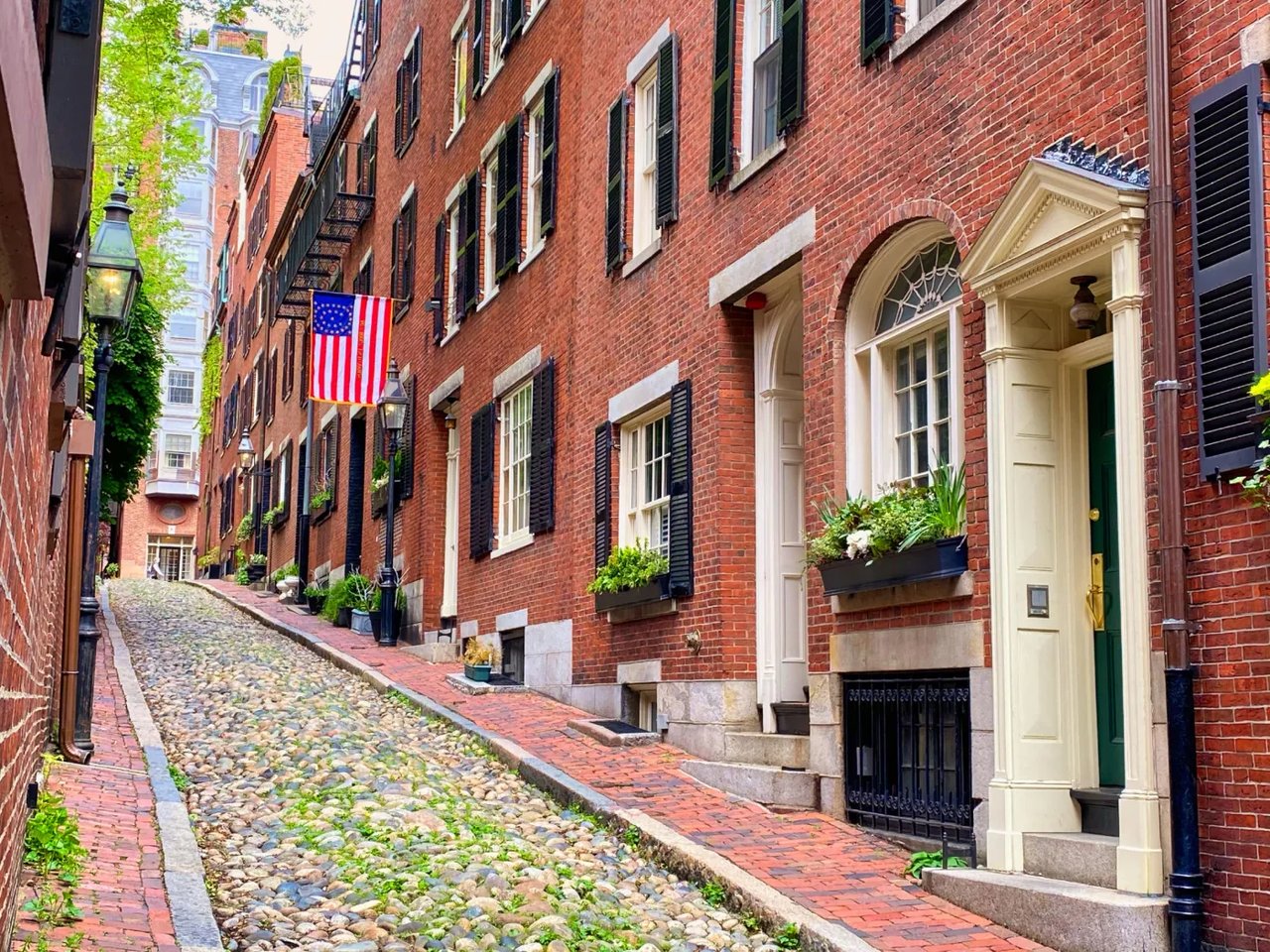
In neighborhoods like Beacon Hill or Back Bay, historic detail often carries more value than trend-forward redesign.
The most successful pre-listing strategies typically:
-
Preserve defining architectural elements
-
Modernize infrastructure discreetly
-
Avoid aesthetic choices that limit buyer pool
Thoughtful restraint frequently outperforms dramatic overhaul.
Renovation as Risk Management
Beyond pricing upside, pre-listing preparation can reduce negotiation exposure.
Deferred maintenance often becomes leverage during inspection. Addressing issues proactively can:
-
Limit post-offer renegotiation
-
Improve appraisal outcomes
-
Create stronger buyer confidence
In higher price tiers, certainty often outweighs cosmetic flash.


Strategic Preparation, Not Renovation for Renovation’s Sake
The objective is not to “improve everything.”
It is to:
-
Identify where buyers assign value
-
Align improvements with neighborhood expectations
-
Enhance presentation without overcapitalizing
Each property requires a tailored assessment.
Pre-listing renovation decisions should be made within the context of pricing strategy, market positioning, and buyer behavior in your specific micro-market.
If you are considering selling in Back Bay, South End, Beacon Hill, Brookline, Newton, Seaport, or the Waterfront, we’re happy to evaluate which improvements — if any — would meaningfully influence performance.
Our team manages all pre-listing renovations for our clients and advises on finish selection, value engineers for cost efficiency, recommends vendors and will even supervise the work to completion,
Because in Boston’s market, return is not about volume of work — it is about precision of execution.