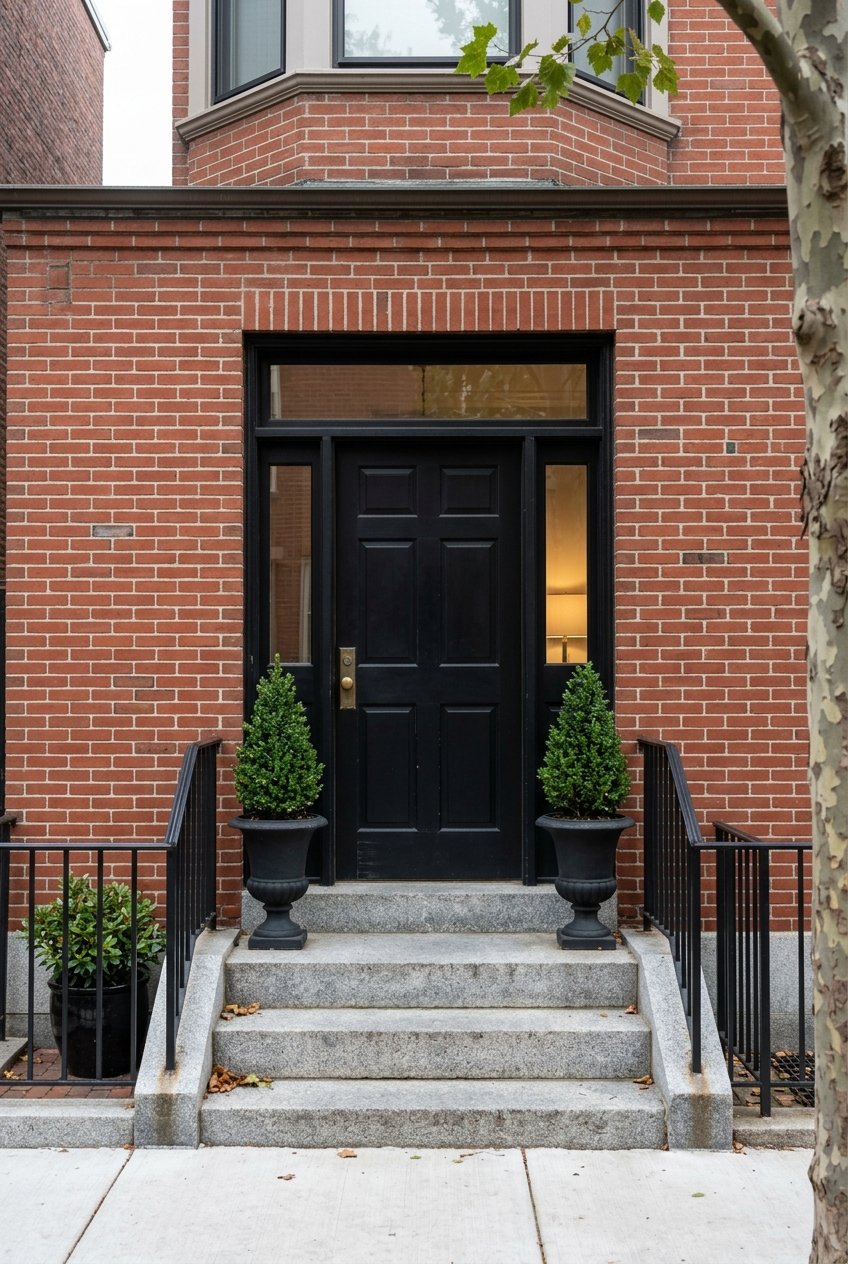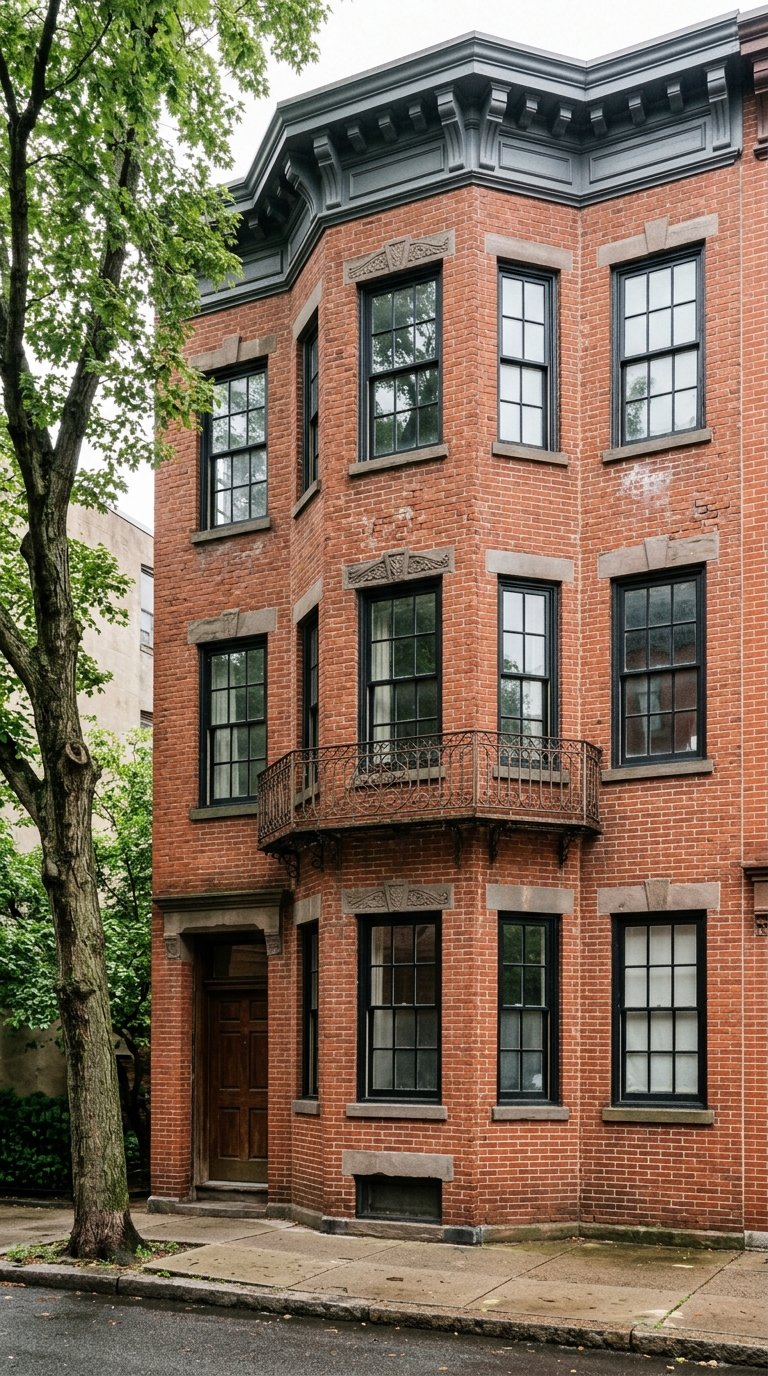
Thinking about buying a historic home in Boston’s North End? The appeal is easy to understand: centuries-old brick buildings, narrow streets, and a location that puts you in one of Boston’s most established urban neighborhoods. But in the North End, buying for charm alone can be expensive if you overlook building condition, condo governance, or local design rules. This guide will help you understand what to review before you buy, what questions to ask, and where careful due diligence matters most. Let’s dive in.
Why North End homes stand out
The North End is Boston’s oldest residential community, with roots going back to the 1630s. Today, the neighborhood is known for its historic brick apartment buildings, dense urban fabric, and active commercial corridors, as outlined by the Boston Planning & Development Agency’s neighborhood overview.
For you as a buyer, that usually means the housing stock is not one simple category. A search may include a converted rowhouse, a multi-unit building with older bones, or a mixed-use property with retail at street level and residences above. That variety is part of the neighborhood’s appeal, but it also means each property can carry a very different maintenance and ownership profile.
What “historic home” often means here
In the North End, a historic home is often a condo within a much older masonry building rather than a detached single-family property. The neighborhood’s architectural history includes rare early structures like the Clough House and the Paul Revere House, alongside later brick rowhouses and apartment buildings that define the area today.
That matters because your purchase is usually not just about your unit. You are also buying into the condition of the roof, exterior walls, windows, common systems, and the decisions made by the condominium association over time.
Look beyond the finishes
A renovated kitchen or polished bath can make a strong first impression, but older buildings require deeper review. In the North End, it is smart to confirm whether core systems like plumbing, electrical, heating, and fire-safety infrastructure were updated with permits and documented invoices, rather than assuming cosmetic upgrades tell the whole story.
This is especially important in buildings that may have been renovated in stages over many years. When updates are uneven, you can end up with attractive interiors but aging building systems, deferred exterior work, or future common-area expenses that were not obvious during a first showing.
Watch for water and masonry issues
In historic masonry buildings, water management is one of the biggest risks. According to the National Park Service guidance on gutters and downspouts, these systems are a primary line of defense in moving water away from the structure, and unmanaged moisture can damage both masonry and interior finishes.
When you tour a property, pay close attention to signs that may point to moisture issues or deferred maintenance, including:
- Ceiling-line staining
- Patched masonry
- Failed sealant around windows
- Mismatched replacement materials on visible exterior walls
These issues do not always mean a deal is bad. They do mean you should slow down, ask more questions, and make sure your inspection and document review are thorough.
Check window and facade history
Historic windows deserve special attention in older Boston buildings. The National Park Service notes that historic windows should generally be repaired before being replaced, and if replacement is necessary, the new windows should match the originals in design and, where possible, materials.
For you, that means window history can reveal a lot about how carefully a building was maintained. If previous owners replaced windows, altered openings, or changed visible facade elements, it is worth checking whether that work was consistent with local review standards and properly permitted.
Understand North End design review
The North End is shaped in part by the Freedom Trail Neighborhood Design Overlay District. This overlay exists to protect the area’s scale, pedestrian environment, mixed-use character, and concentrations of historic buildings.
For buyers, the practical takeaway is simple: some exterior changes may trigger design review. That can include changes to roof shape, cornice lines, building height, street wall height, and substantial changes to doors or window openings.
If you are buying a property with plans to renovate, expand, or rework visible exterior details, this matters early. A project that seems straightforward on paper may face additional review, different timing, or design constraints once you look at the local framework.
Review condo documents carefully
In many North End purchases, the condo documents are just as important as the unit itself. Under Massachusetts condominium law, associations must maintain core records including the master deed, bylaws, minute book, and financial records, and they must keep a replacement reserve fund separate from operating funds.
That gives you a useful roadmap for due diligence. Before you buy, review:
- Reserve balance
- History of special assessments
- Planned capital projects
- Meeting minutes
- Insurance claims or active litigation
- Rules on pets, leasing, renovations, and short-term rentals
A beautiful unit in a poorly funded building can become an expensive surprise. A well-run association, on the other hand, often signals more predictable ownership costs and better long-term maintenance.
Don’t skip the inspection
Massachusetts buyers have a statutory right to receive a home-inspection disclosure before signing the first purchase contract. In a historic North End building, that makes an independent inspection especially important.
An inspection helps you move beyond surface-level appeal and assess the condition of key components. In older properties, it can also help identify where further specialist review may be worth considering, especially if the building shows signs of moisture intrusion, settlement, patchwork updates, or older mechanical systems.
Lead law can affect your plans
If you are buying a home built before 1978, lead-safety questions are important. Massachusetts explains that in homes where a child under 6 lives, lead law responsibilities cannot simply be waived.
That does not mean every older North End property is a problem. It does mean you should understand how the law applies to your planned use of the property, especially if your household includes young children or your future plans may change during ownership.
Short-term rental rules matter
If part of your buying strategy includes short-term rental income, be careful with assumptions. Boston’s short-term rental rules require registration, limit eligibility, and generally allow rentals under 28 days only in owner-occupied condos and owner-occupied one-, two-, and three-family properties, subject to the city’s requirements.
Your ability to rent may also be limited by condo documents, code compliance, or other legal restrictions. In other words, if income potential is part of your underwriting, you need both the city rules and the condominium rules to line up.
Flood resilience is worth checking
Some North End and near-water properties may also be affected by Boston’s coastal resilience planning. The city’s Article 25A Coastal Flood Resilience Overlay District includes the North End among covered coastal neighborhoods.
For you, this is another reminder that location-specific due diligence matters. Depending on the parcel and the building, resilience planning and flood-related considerations can affect future improvements, design decisions, or how you evaluate risk over the long term.
North End vs. Beacon Hill
Buyers often compare the North End with Beacon Hill when they want historic Boston character. The comparison is useful, but the neighborhoods are not interchangeable.
According to the city, Beacon Hill’s historic district has a more formal and comprehensive exterior review framework, with visible exterior work subject to district review. By contrast, the North End’s design overlay is more targeted. The North End also tends to feel denser and more mixed-use, with commercial corridors integrated into the residential fabric.
If you are deciding between the two, it often comes down to what kind of ownership experience you want. The North End offers remarkable character and energy, but it often requires a close read on building condition, association governance, and the practical limits of future changes.
A smart North End buying strategy
In this neighborhood, the best buyers stay disciplined. You are not just buying atmosphere, brick walls, or a great address. You are evaluating maintenance history, reserve strength, legal use, renovation constraints, and the quality of past decisions made by owners and associations.
That is where experienced guidance can make a meaningful difference. If you are considering a historic purchase in the North End or weighing it against other prime Boston neighborhoods, Megan Kopman can help you evaluate both the opportunity and the risk with the level of diligence these properties deserve.
FAQs
What types of historic homes are most common in Boston’s North End?
- Most buyers encounter condos within older brick buildings, including converted rowhouses, multi-unit masonry buildings, and some mixed-use properties with retail on the ground floor.
What should buyers inspect first in a North End historic property?
- Focus on roof and water management, masonry condition, window history, and whether plumbing, electrical, heating, and fire-safety systems were updated with permits and documentation.
Why do condo documents matter when buying a North End home?
- Condo documents can show reserve strength, past or planned special assessments, building rules, and whether the association appears prepared for future capital work.
Can buyers renovate exterior features on a North End historic building?
- Some exterior changes may trigger design review under the North End overlay, especially changes to roof shape, cornices, height, and substantial changes to doors or window openings.
Are short-term rentals allowed in North End condos?
- They may be allowed only if the property meets Boston’s registration and eligibility rules, and the condominium documents also permit that use.
How is buying in the North End different from buying in Beacon Hill?
- Both offer historic character, but Beacon Hill has a more formal district-wide exterior review process, while the North End is typically denser, more mixed-use, and more variable from building to building.