If your ideal commute is measured in blocks instead of train stops, Midtown and Boston’s Financial District deserve a close look. This part of downtown puts work, dining, transit, and daily essentials within easy walking distance, but it also comes with trade-offs that are different from more traditional residential neighborhoods. If you are weighing whether condo living here fits your routine, this guide will help you understand the lifestyle, housing options, and market context. Let’s dive in.
Why Financial District living stands out
The Financial District sits inside a dense downtown environment where work and daily life overlap in a very practical way. The City of Boston describes downtown as a mix of historic apartment buildings and modern glass towers, with restaurants, cafes, theaters, Boston Common, the Greenway, and miles of waterfront nearby.
That convenience is not just a marketing line. Downtown Crossing sees more than 200,000 workers each day and 250,000 pedestrians along key shopping streets, and Redfin ranks Downtown Boston at 96 out of 100 for walkability, according to the City of Boston’s downtown overview. If you want to leave your office and be home in minutes, few Boston locations compete with that level of access.
The area is also evolving. The city recently approved new downtown zoning that makes residential uses legal throughout the new downtown districts and supports office-to-residential conversions. That shift matters because it points to a downtown core with a growing residential layer, not just a 9-to-5 office district.
What the condo stock looks like
If you are shopping here, you will usually see three broad housing styles: full-service luxury towers, smaller boutique buildings, and nearby loft-style conversions. Each offers a different version of downtown living.
Amenity towers in Midtown
The clearest example is Millennium Tower, one of the best-known residential towers in the area. The building rises 685 feet, includes 442 condominiums, and features a two-floor, 23,000-square-foot resident club with a pool, spa, library, screening room, parlor, and function space.
That kind of building appeals if you value service, convenience, and lock-and-leave ease. It also reflects a common theme in this market: buyers are often paying for both the unit and the building experience.
Published sales coverage also shows how much layouts can vary within these towers. Boston.com has highlighted everything from a full-floor penthouse to corner units with floor-to-ceiling windows and strong natural light. In downtown Boston, window lines, exposure, and elevation are often central to day-to-day livability.
Boutique towers with full-service perks
Not every buyer wants a very large building. Some prefer a more intimate full-service property with strong amenities and a more curated feel.
A good example is 45 Province. In its profile of a sale there, Boston.com described a residence with terraces, floor-to-ceiling windows, and amenities including a gym, pool, screening room, and rooftop garden. For some buyers, that can be the sweet spot between scale and privacy.
Loft-style options nearby
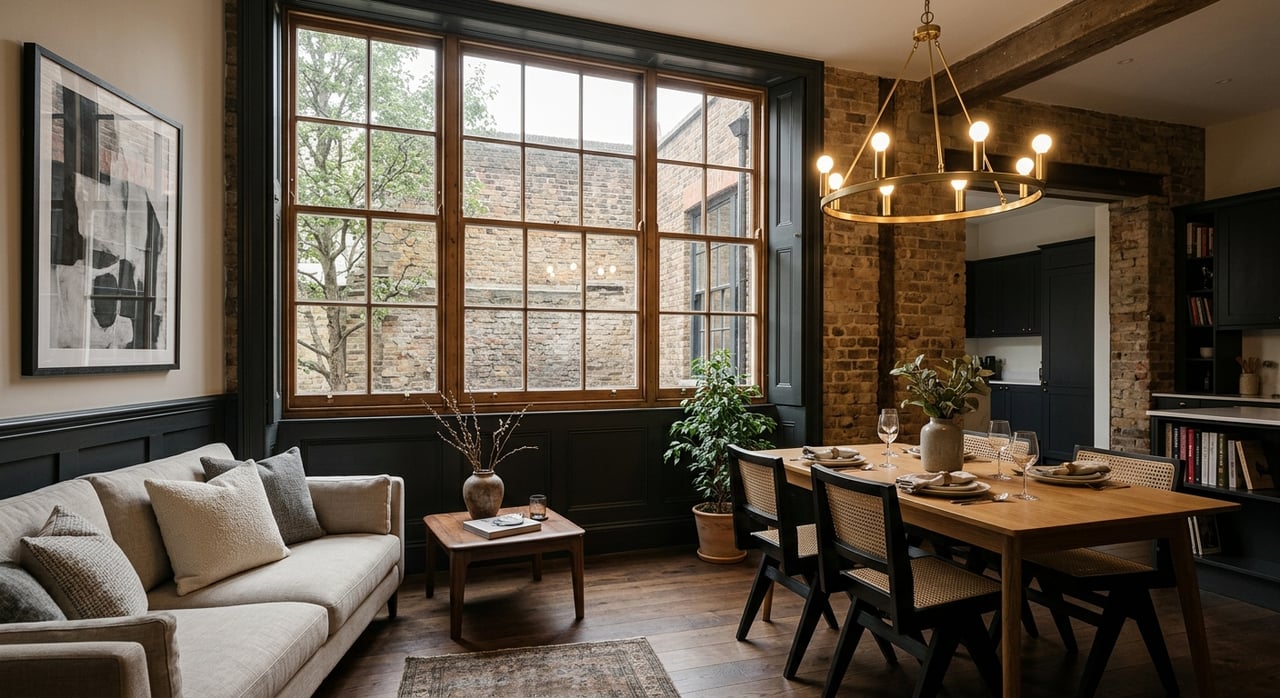
If glass towers are not your style, the nearby Leather District offers a different character. The City of Boston describes this area as a nine-block district of 19th-century brick warehouse buildings that evolved into a mixed-use neighborhood, and notes that residents value its loft-living options.
That makes the broader Midtown and Financial District area appealing to a wide range of buyers. You can look at polished, amenity-rich tower living, or you can shift slightly and find more industrial loft character in converted warehouse buildings.
The biggest lifestyle advantage
The main reason buyers choose this area is simple: time. Living near work can make your entire week easier.
Instead of planning around a commute, you can often walk to the office, meet friends after work, and get home without needing a car or a long transit ride. The neighborhood’s core appeal is that your daily routine becomes more efficient.
This setup tends to work especially well if you have a demanding schedule, split time between office and hybrid work, or travel often. A full-service condo in this location can be a practical choice as much as a lifestyle one.
The trade-offs to understand
Every neighborhood solves one set of priorities and gives up another. In the Financial District, the trade-off is usually convenience and energy versus quiet and a classic residential feel.
Daylight and views matter here
Because this is a dense downtown setting with office towers and heavy foot traffic, lower-floor or street-facing units can feel busier and may receive less consistent daylight. Based on the city’s urban form and the building types in the area, higher-floor, corner, or setback units are often the safer bet if natural light is important to you.
That is one reason buyers consistently focus on window lines and elevation. Millennium Tower’s positioning emphasizes expansive views, and public coverage of sales at 1 Franklin often points to floor-to-ceiling glass and corner exposure as major selling points.
The after-hours feel is active, but uneven
A common question is whether the Financial District feels too quiet at night. The answer is usually no, but it does feel different from daytime.
The Downtown Boston Alliance lists a range of dining and nightlife options in the core, including places open late and spots geared toward after-work or post-theater crowds. That said, the neighborhood still tends to feel more office-oriented and more transient than a classic residential street grid.
If your ideal evening is walking from your building to dinner, drinks, or a show, this area can work very well. If you want a neighborhood centered on residential blocks and a quieter street rhythm, another part of Boston may feel like a better match.
How it compares with Back Bay and Seaport
If you are choosing between Boston luxury condo neighborhoods, the Financial District often competes most directly with Back Bay and Seaport. Each offers something distinct.
| Neighborhood | Best fit for | Key feel | Directional market context |
|---|---|---|---|
| Financial District | Buyers who want the shortest commute and downtown access | Work-adjacent, fast-paced, highly walkable | Redfin shows 41 condos for sale at a $2.45M median listing price and 45 median days on market in the current snapshot |
| Back Bay | Buyers who want a more classic residential setting | Historic, established, neighborhood-oriented | Redfin shows 83 condos for sale at a $1.59M median listing price and 53 median days on market |
| Seaport | Buyers who want newer construction and a waterfront setting | Modern, mixed-use, amenity-driven | Redfin shows 46 condos for sale at a $2.62M median listing price and 79 median days on market |
According to Redfin’s Financial District condo snapshot, the Financial District currently shows a faster pace than either Back Bay or Seaport in listing-market time. That does not make one neighborhood better than another, but it does suggest strong demand for buyers who prioritize centrality.
Back Bay remains the better fit if you want a more established residential atmosphere. The City of Boston calls Back Bay a protected historic district, and Redfin gives it a Walk Score of 97.
Seaport is the cleaner choice if your priorities are newer buildings, larger amenity packages, and a waterfront identity. Boston planning materials describe the South Boston Waterfront and Seaport as a rapidly growing mixed-use district with major development and a growing retail and entertainment role.
Who is the best fit for a condo here
Financial District and Midtown condos are often strongest for buyers who want to simplify daily life. If your goal is to be close to work, reduce commute friction, and have restaurants and services at your doorstep, this neighborhood is easy to justify.
You may be a strong fit if you value:
- A walk-to-work routine
- Full-service or amenity-rich buildings
- Easy access to downtown dining and theater options
- A lock-and-leave home base
- High-floor light and city views
You may want to compare other neighborhoods if you prioritize:
- A quieter, more residential street pattern
- Historic neighborhood character as the main draw
- Waterfront living as a top priority
- More separation between home and office activity
What to look for when touring condos
In this part of Boston, not all units in the same building live the same way. Small differences in floor height, orientation, and exposure can have a big effect.
As you tour, pay close attention to:
- Floor level and how much street activity you hear
- Window exposure and where the sunlight comes from
- Corner versus interior placement
- View corridors and whether nearby buildings limit light
- Building amenities and whether you will actually use them
- The walk from building to office, transit, or daily errands
That kind of detail matters in an urban core. The right condo is not just about square footage. It is about how the unit supports your routine from morning through evening.
Why local guidance matters in this micro-market
Downtown Boston is nuanced, and Midtown and the Financial District can look straightforward on paper while feeling very different in person. One building may offer polished service and quiet upper-floor living, while another may feel more tied to the pace of the street below.
That is why buyers often benefit from block-by-block and building-by-building guidance. In a market where light, exposure, amenities, and exact location can shape value, local insight can help you narrow the field quickly and avoid expensive compromises.
If you are considering a condo in Midtown or the Financial District, Megan Kopman can help you evaluate which buildings, layouts, and nearby alternatives best fit your schedule, priorities, and long-term goals.
FAQs
Is living in Boston’s Financial District good for walking to work?
- Yes. The area is one of Boston’s most walkable downtown locations, with offices, restaurants, transit, and daily amenities close together.
Are Midtown and Financial District condos quiet at night?
- They are generally quieter than the daytime office rush, but the area still has dining, bar, and theater-related activity, especially near hotel and entertainment corridors.
Do Financial District condos get good natural light?
- It depends on the unit. Higher-floor, corner, and glass-heavy homes are often better bets for daylight than lower-floor or tightly surrounded units.
How do Financial District condos compare with Back Bay condos?
- Financial District condos are usually more work-adjacent and office-core oriented, while Back Bay often offers a more historic and traditional residential feel.
How do Financial District condos compare with Seaport condos?
- Financial District condos are typically better for immediate access to the traditional downtown office core, while Seaport is often chosen for newer construction, larger amenities, and a waterfront setting.
Are there loft-style homes near Boston’s Financial District?
- Yes. The nearby Leather District includes former warehouse buildings that have been converted into loft-style residences with a different architectural feel than glass towers.