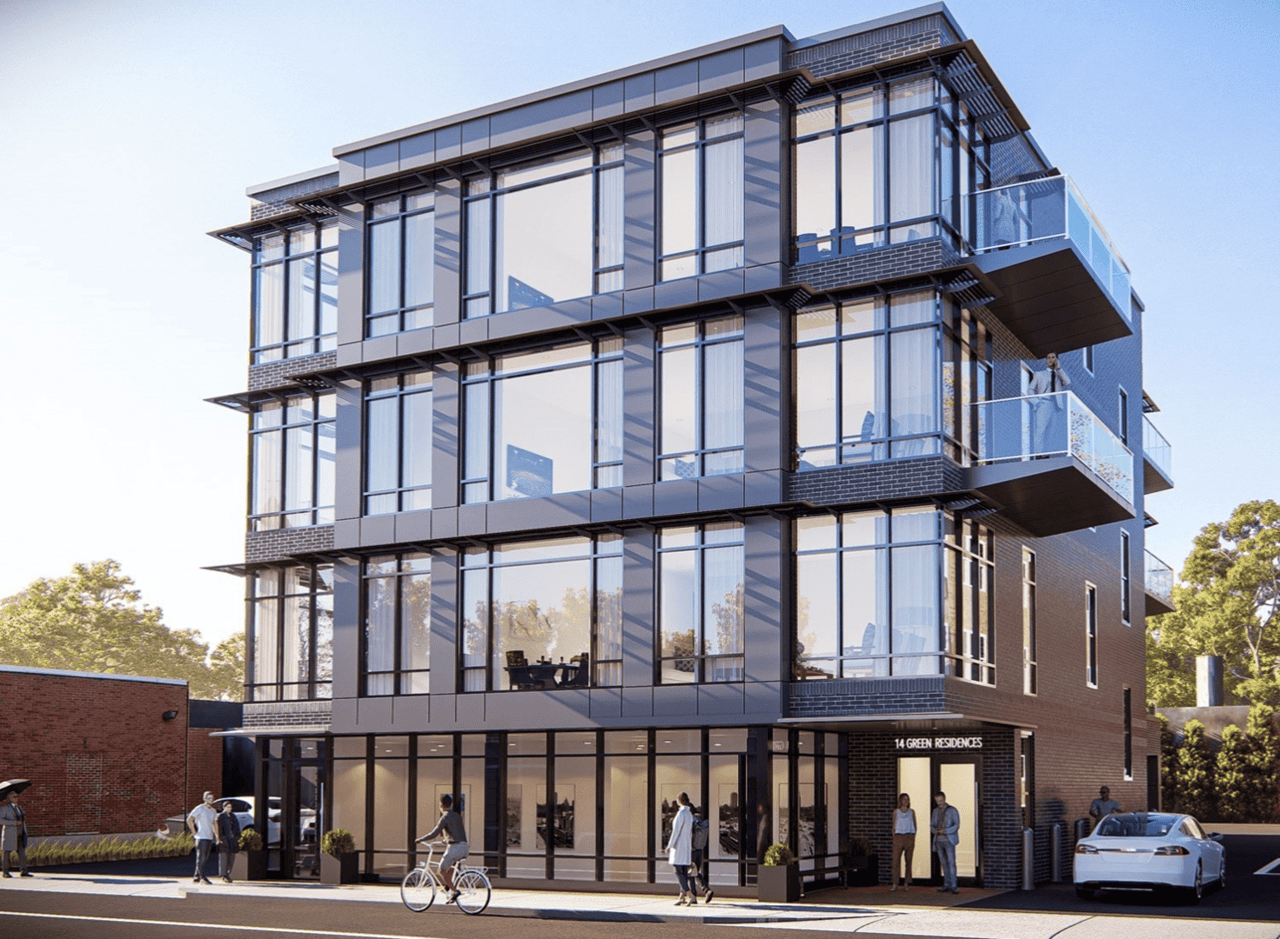
A Closer Look At How Purchasing Power Shifts Block By Block Across Boston’s $1M Market
Sadly, in Boston’s real estate market, $1M is no longer considered “ultra-luxury.” It is, in many neighborhoods, the new entry point into prime locations.
That said, purchasing power at this level varies dramatically depending on neighborhood, building type, and block-level positioning. Understanding how $1M translates across the city requires a micro-market lens.
Here’s what that price point typically represents in 2026.
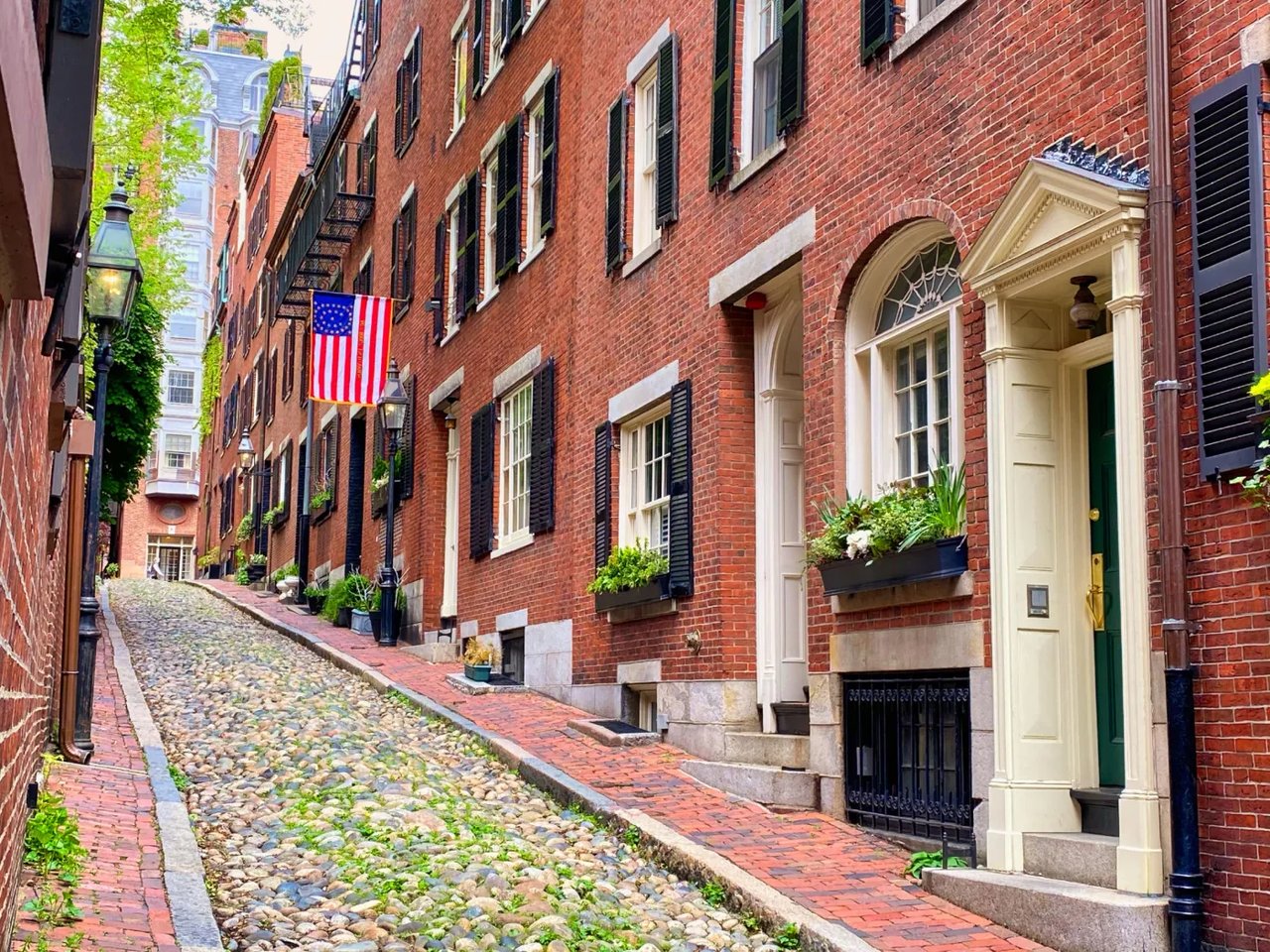
Back Bay & Beacon Hill: Location Over Scale
In Boston’s most historic core neighborhoods, $1M often secures:
-
One bedroom condominiums
-
700–1,200 square feet (approximate range)
-
Brownstone buildings or smaller units in boutique elevator properties
-
Limited or no parking
-
Architectural detail with varying renovation levels
-
Building controlled heat and no air conditioning
Here, buyers are prioritizing address and architectural charm over size. Park adjacency, ceiling height, and building condition can significantly influence value within this band.
Square footage is secondary to block selection.
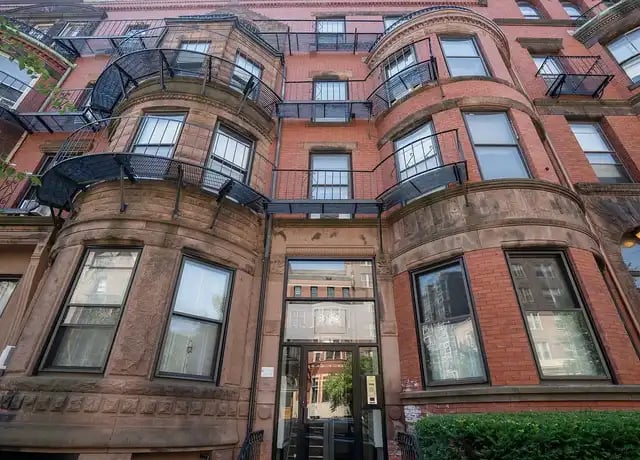
South End: Character with Slightly More Flexibility
In the South End, $1M may offer:
-
Larger one-bedroom or efficient two-bedroom layouts
-
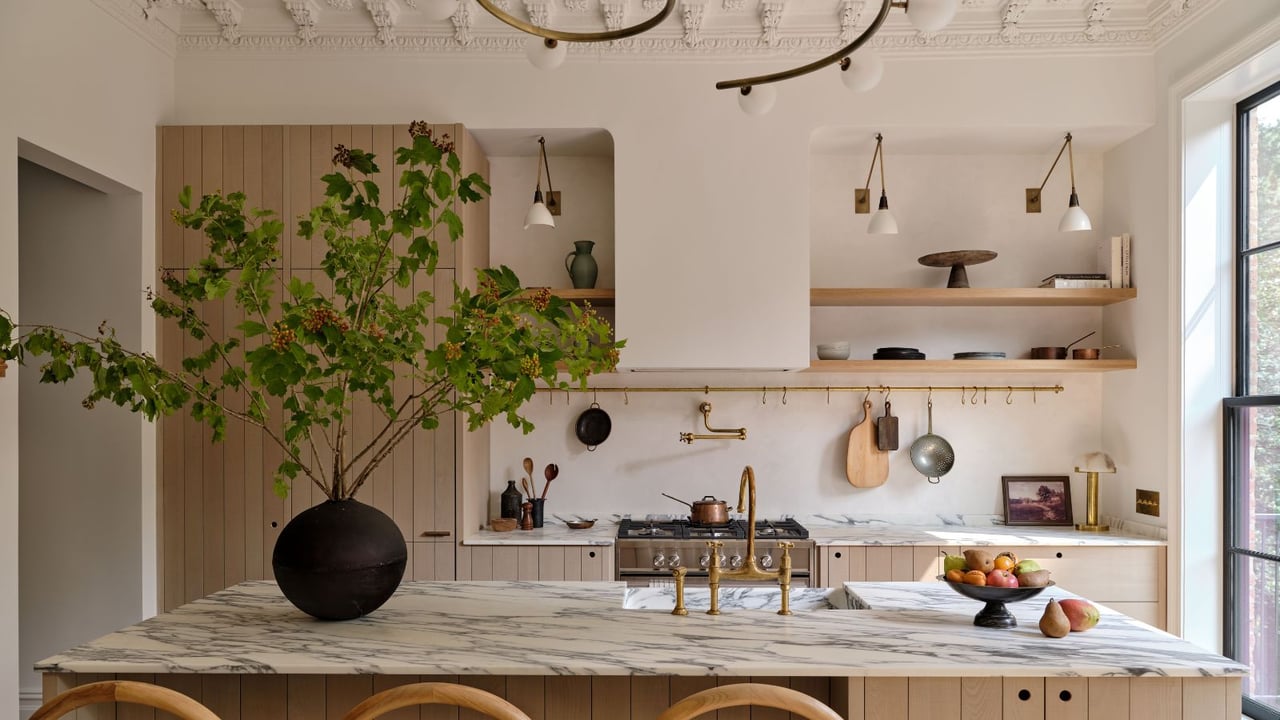
10 year old renovated kitchens and baths in historic buildings
-
Occasional private outdoor space
-
Strong walkability to restaurants and parks
-
Forced hot water heating and often no air conditioning
Buyers in this tier often balance charm and livability. Outdoor access and layout efficiency meaningfully affect performance at this price.
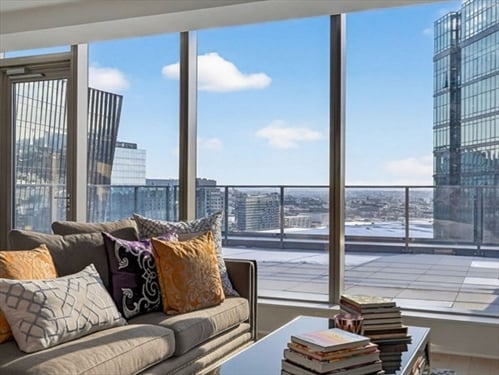
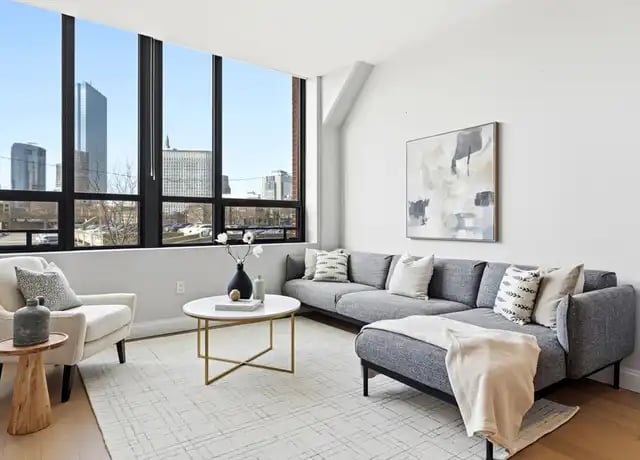
Seaport & Waterfront: Modern, Compact, Amenity-Driven
In Seaport or Waterfront properties, $1M typically secures:
-
Smaller one-bedroom units or even a studio
-
Contemporary finishes
-
Full-service building amenities
-
Garage parking (usually at additional cost)
At this level, buyers are purchasing convenience and building lifestyle — concierge, fitness, security — rather than expansive square footage.
View exposure, even partial harbor or skyline, can shift value within the range.
Brookline & Newton: Transition to Entry-Level Single-Family or Larger Condos
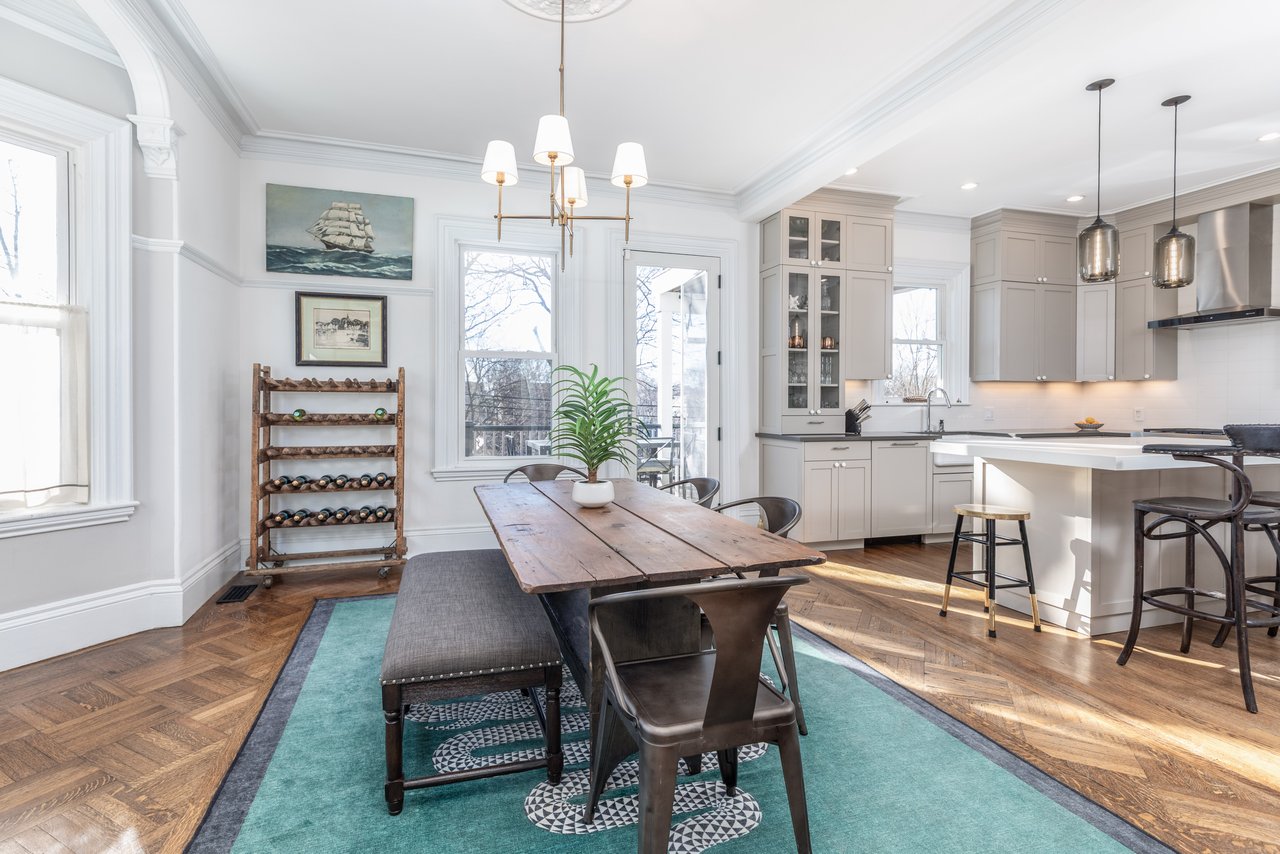
In Brookline and Newton, $1M often provides:
-
Renovation-required properties
-
Larger condominiums in multi-family conversions
-
Yard space and residential street access
In these suburban-adjacent markets, lot size, school proximity, and commuter access influence price variation more than building amenities.
Condition becomes a stronger differentiator here.
What This Price Point Represents in 2026
Across Boston, $1M buyers are typically evaluating:
-
Location vs. size trade-offs
-
Renovation scope
-
HOA structure and fees
-
Walkability and transit access
-
Long-term resale positioning
Inventory at this tier moves efficiently when priced correctly, but buyers are increasingly analytical. Overpricing relative to recent comparable sales can slow momentum quickly.
Strategic Takeaway
At $1M, Boston buyers are choosing between:
-
Historic core access
-
Modern amenity living
-
Emerging neighborhoods
-
Suburban transition markets
Understanding how that trade-off aligns with lifestyle priorities is essential. Oftentimes buyers will pivot to lower cost neighborhoods in Boston like South Boston, Jamaica Plain and West Roxbury which offer much more space for a similar price point.
For sellers in this range, presentation and pricing calibration are critical — this tier attracts highly informed, comparison-driven buyers.
For buyers, micro-location analysis matters as much as headline price.
In Boston’s evolving market, $1M is not a uniform category — it is a neighborhood-specific equation.