If you are thinking about leaving behind extra square footage but not the standards you are used to, Newton deserves a serious look. For many luxury downsizers, the challenge is not just finding a smaller home. It is finding a home that still offers privacy, convenience, and long-term lifestyle fit. In Newton, you can often trade maintenance and excess space for a more streamlined home without giving up access to Boston, village amenities, or a premium setting. Let’s dive in.
Why Newton draws luxury downsizers
Newton sits about seven miles west of downtown Boston, but it does not function like a one-center suburb. The city is organized around 13 distinct village centers, which gives you more than one way to live in town. That matters if you want your next move to feel tailored rather than generic.
The city describes Newton as principally suburban-residential, and open space makes up 19.6% of its land area. More than half of that open space is publicly owned. For downsizers, that often translates to a quieter daily rhythm, more greenery, and a setting that feels less dense than central Boston.
Newton is also an established high-value market. Census data shows a median household income of $190,304, and 19.1% of residents are age 65 or older. That helps explain why Newton already appeals to many homeowners who are making later-stage housing decisions and want to stay in a familiar, high-service area.
What downsizing looks like in Newton
A common concern is whether downsizing in Newton means sacrificing choice. The local housing mix suggests the answer is no. In 2020, the city counted 17,184 single-family homes, 5,235 condominiums, 5,386 two-family homes, 819 three-family homes, 4,328 apartment units, and 102 accessory apartments.
That housing mix matters because it gives you real options. You may be able to move from a larger legacy property into a condo, a townhouse-style home, or a smaller multifamily format while staying in the same city. For many homeowners, that is the ideal middle ground between aging in place and leaving the area entirely.
Pricing also confirms Newton’s premium position. For FY2026 assessed values, the city reports a median assessed value of $1,503,500 for single-family homes and $813,500 for condominiums, based on estimated market value as of January 1, 2025. In simple terms, Newton can offer smaller homes, but it is not a budget downsizing story. It is more often a lifestyle optimization move.
Village living changes the downsizing equation
One of Newton’s biggest advantages is that your lifestyle can shift meaningfully depending on the village you choose. That can be especially helpful if you are deciding how much walkability, privacy, transit access, or historic character you want in your next chapter.
Newton Centre for daily convenience
Newton Centre is one of the clearest fits for downsizers who want errands and social life close by. The city frames the area as a place to shop, dine, and unwind, and it also includes the Cooper Center, home to Older Adult Services. Crystal Lake adds another lifestyle benefit with a summer swimming beach in the area.
If your goal is to step out for coffee, dining, services, and community programming without relying on a car for every outing, Newton Centre stands out. It offers one of the strongest combinations of village activity and suburban calm.
Newtonville for village energy and rail access
Newtonville combines a traditional village core with commuter rail access. The city describes it as a thriving suburban village with a small commercial center, and streetscape improvements on Walnut Street have reinforced the heart of the village.
For downsizers who still want easy regional access, Newtonville can feel practical and connected. It may suit you if you want a more active village setting without moving into a denser urban neighborhood.
West Newton for practical everyday function
West Newton also offers a small business center and commuter-rail roots. The city notes that it remains the location of Newton’s police headquarters and a local district courthouse, which reinforces its role as a functional village hub.
If you want a village with everyday infrastructure and a grounded, lived-in feel, West Newton is worth a close look. It can be a strong fit for buyers who prioritize convenience over formality.
Chestnut Hill for privacy and larger lots
Not every downsizer wants maximum walkability. Some want less maintenance, but still value privacy, larger lots, and a more estate-like setting. Chestnut Hill developed around large lots, private estates, and architect-designed homes, which gives it a very different feel from the more active village centers.
If your version of downsizing still includes a strong preference for seclusion and architectural presence, Chestnut Hill may be a better match. It is less about errand-based village life and more about preserving a sense of retreat.
Newton versus central Boston
For many luxury downsizers, the real decision is not simply Newton or not Newton. It is Newton versus neighborhoods like Back Bay, Beacon Hill, or the South End. The right answer depends on how you want your daily life to feel.
Boston’s core neighborhoods offer a more urban, walk-everywhere routine. By contrast, Newton’s own description of itself as suburban-residential, combined with its village structure and open space, points to a different lifestyle. In general, Newton is better aligned with buyers who want more space, private parking, quieter streets, and multiple village-center options without disconnecting from Boston.
That distinction is important. If you want to replace your current home with a polished, lower-maintenance property but still keep room to breathe, Newton often makes more sense than a fully urban move.
Transit remains a major advantage
Downsizing does not always mean slowing down. You may still commute part time, attend events in Boston, or want easy access to the city without dealing with dense urban living every day. Newton performs well on that front.
The city lists Green Line D stations at Riverside, Woodland, Waban, Eliot, Newton Highlands, Newton Centre, and Chestnut Hill. It also lists commuter-rail stations at Auburndale, West Newton, and Newtonville. That range of transit access gives you flexibility across several village settings.
For a downsizer, that can be a powerful combination. You can simplify your home while keeping strong connections to Boston, medical, cultural, and social destinations across the region.
Historic character can be a benefit and a constraint
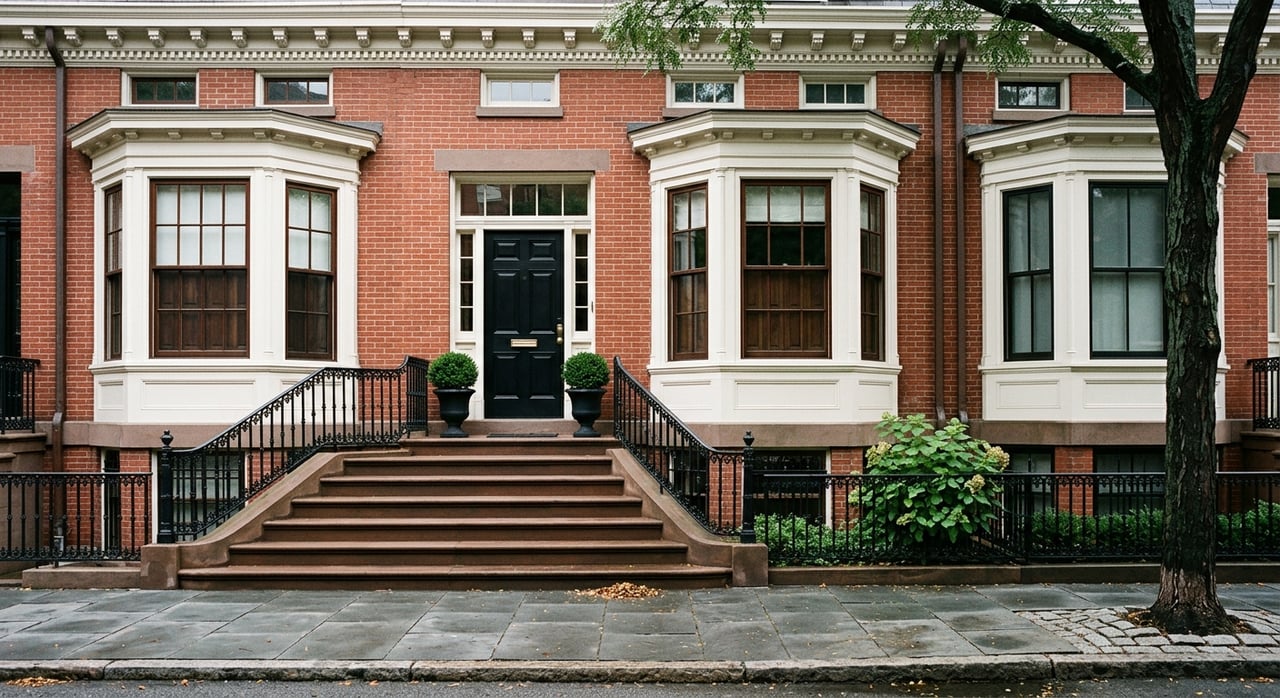
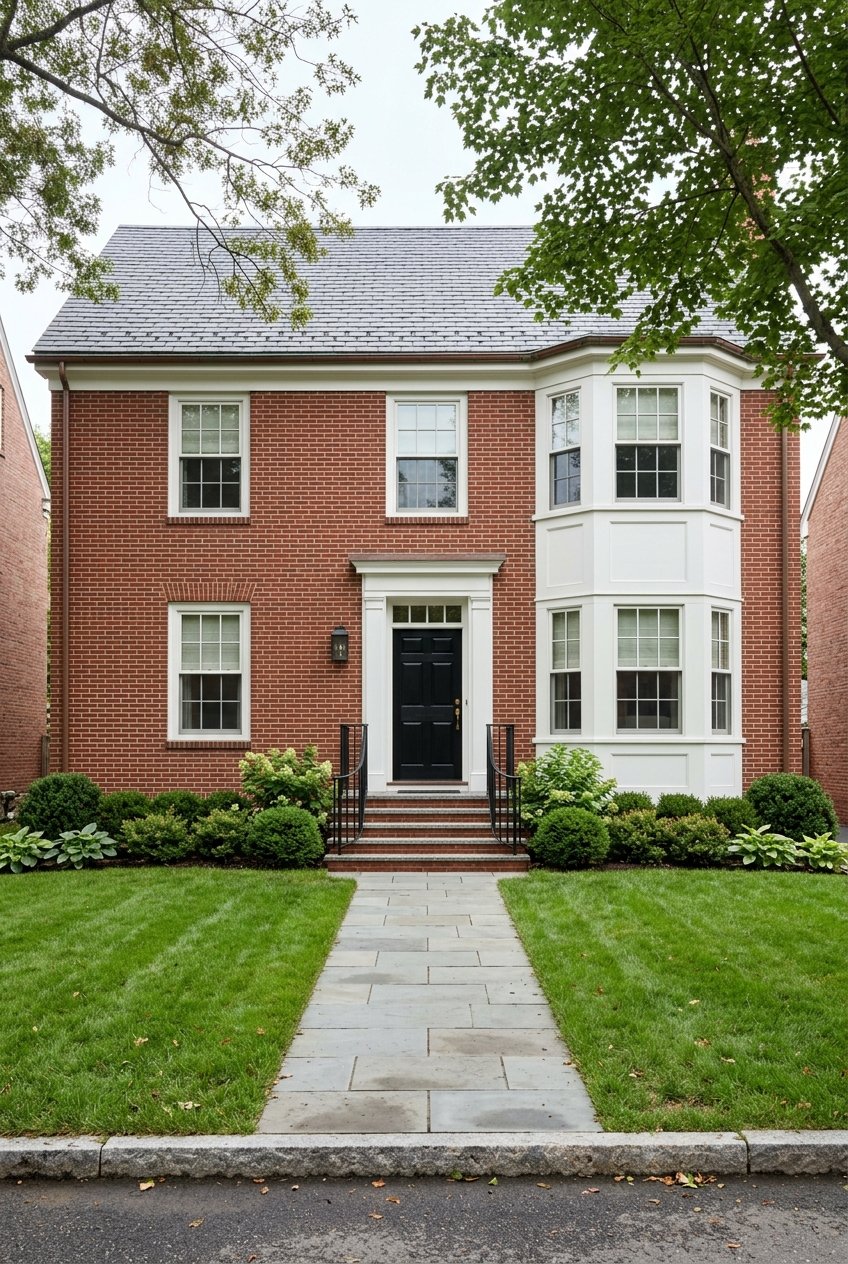
Many Newton buyers are drawn to the city because of its architectural depth. Historic homes remain central to the housing story, especially in villages shaped by railroad-era suburban development. In places like Chestnut Hill and West Newton, the city highlights styles including Georgian, Colonial Revival, Shingle, Greek Revival, Italianate, Second Empire, and Queen Anne.
That character is part of Newton’s appeal, but it can affect your plans. Newton has four local historic districts: Auburndale, Chestnut Hill, Newton Upper Falls, and Newtonville. If you are buying with renovation goals in mind, exterior changes may require additional review depending on the property.
This is especially relevant if you are deciding between a turnkey condo and an older single-family home that needs updates. A beautiful historic property may offer charm and presence, but you should weigh that against the time, oversight, and approvals your next move may require.
New options may continue to grow
Newton is not standing still. The city’s Village Center Overlay District, passed in December 2023, allows by-right housing and commercial opportunities near transit, amenities, and gathering spaces. As of March 2025, Newton says it was compliant with the MBTA Communities law.
For luxury downsizers, the practical takeaway is simple. Village centers may continue to gain more mixed-use and residential options over time. The city also lists current condo-related projects, including a 25-unit new-construction condominium project at 1151 Walnut Street and a condo replacement project at 41 Washington Street.
That does not mean every downsizer will want new construction. It does mean Newton may continue to offer more choice for buyers seeking a lower-maintenance home in a well-located village environment.
Green space adds lasting lifestyle value
When people picture downsizing, they often focus on square footage. In practice, your quality of life may depend more on what sits outside your front door. Newton’s access to open space is one reason many buyers find the city easier to embrace than denser alternatives.
The city says Newton has more than 300 acres of conservation areas, 16 parcels with public trails, and about 1,200 acres of parkland, playgrounds, school grounds, and burial grounds. That kind of green-space network supports a more relaxed daily routine, whether you enjoy walking, spending time outdoors, or simply living in a less built-up environment.
For many homeowners, that is the real luxury. It is not just a smaller home. It is a home that asks less of you while still giving you access to beauty, convenience, and connection.
Is Newton the right move for you?
Newton is usually a strong fit if you want to reduce maintenance, keep a premium address, and stay connected to Boston without moving into a denser city neighborhood. It is especially compelling if you value village-centered living, transit options, architectural character, and a more suburban pace.
It may be less ideal if your top priority is a fully urban, car-light lifestyle where nearly everything happens at your doorstep. In that case, Boston’s core neighborhoods may offer a closer match. But if you want your next home to feel refined, practical, and easier to live in, Newton is firmly in the conversation.
For luxury downsizers, the best decision often comes down to matching the right village, property type, and level of maintenance to the life you want now. If you are weighing that move, working through the tradeoffs with a market-specific strategy can make the process much clearer.
If you are considering a move in Newton or comparing it with Boston’s luxury neighborhoods, Megan Kopman can help you evaluate the right fit with discretion, market insight, and a tailored plan.
FAQs
Is Newton a good place for luxury downsizers?
- Yes. Newton offers a premium housing market, multiple village centers, strong transit access, and a meaningful mix of condos, single-family homes, and smaller multifamily properties.
Which Newton village is best for walkability and daily errands?
- Newton Centre is one of the strongest options for everyday convenience because the city highlights its shopping, dining, and community services.
Are there enough condos in Newton for downsizers?
- Newton has a substantial condo base, with 5,235 condominiums counted in the city’s 2020 housing snapshot, plus some ongoing condo-related development projects.
Does Newton offer transit access to Boston?
- Yes. Newton has multiple Green Line D stations and commuter-rail stations, which helps residents stay connected to Boston from several village locations.
Do historic district rules affect Newton homes?
- They can. Newton has four local historic districts, and certain exterior changes may require additional review depending on the property.
Is Newton more suburban than Back Bay or Beacon Hill?
- Yes. Newton describes itself as principally suburban-residential, and its village structure and open space make it feel less dense and more spread out than central Boston neighborhoods.