Wondering whether Brookline or Back Bay is the better fit for your next move? It is a common question, especially if you want classic architecture, a strong sense of place, and daily convenience without guessing wrong on lifestyle or value. The good news is that both areas offer beautiful homes and distinct advantages, and the right choice usually comes down to how you want to live day to day. Let’s break down the tradeoffs that matter most.
How the housing stock differs
Back Bay offers classic rowhouse continuity
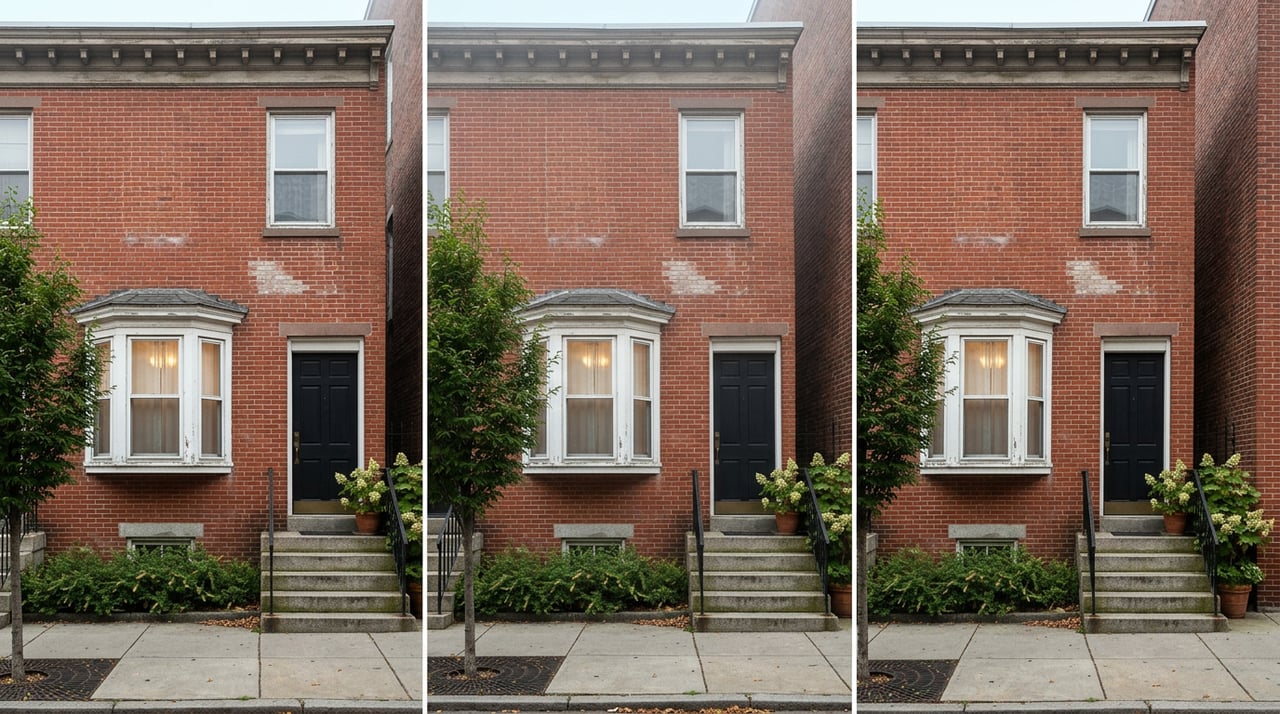
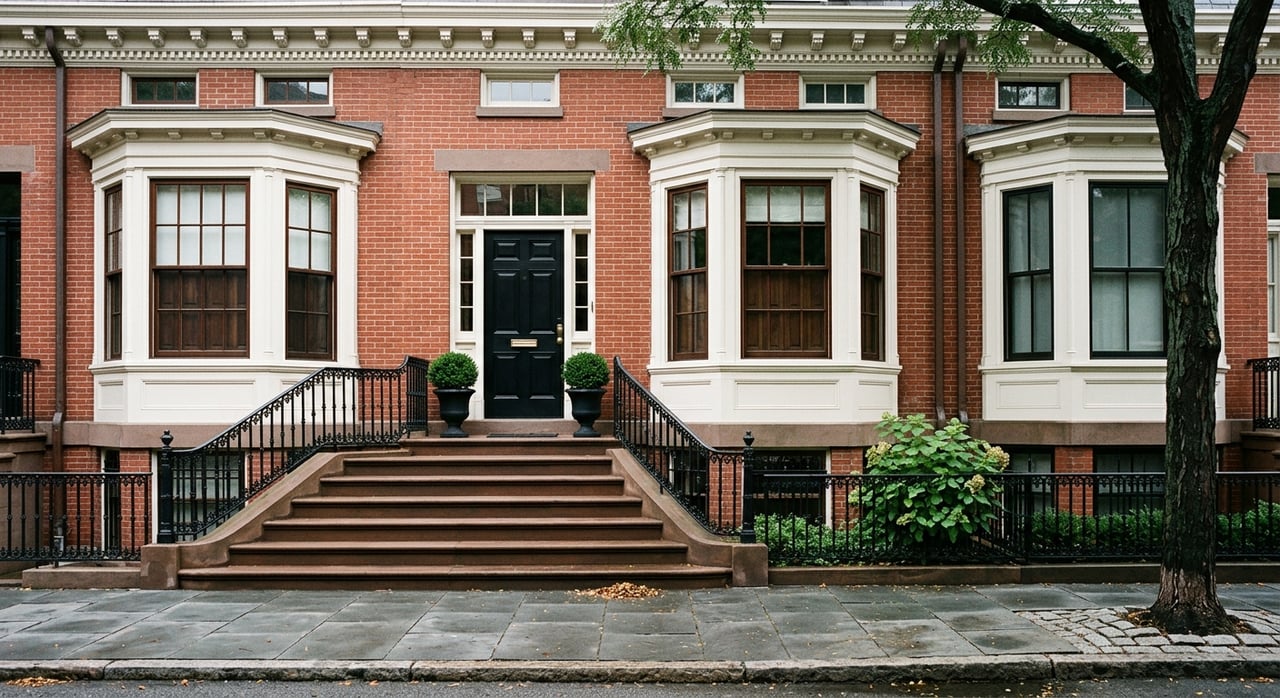
If you picture Boston brownstones with consistent facades, elegant cornice lines, and a truly iconic streetscape, Back Bay usually comes to mind first. Boston describes Back Bay as a protected historic district, and exterior changes are reviewed by the Back Bay Architectural District Commission. That creates a highly cohesive look block by block.
For many buyers, that visual consistency is a major part of the appeal. It also means you should expect a more controlled exterior environment if you are considering renovations or visible updates. In the residential portion of the district, demolition of historic structures is prohibited, and visible elements like masonry, roofs, windows, and brownstone details fall under detailed guidelines.
Brookline feels more varied and village-based
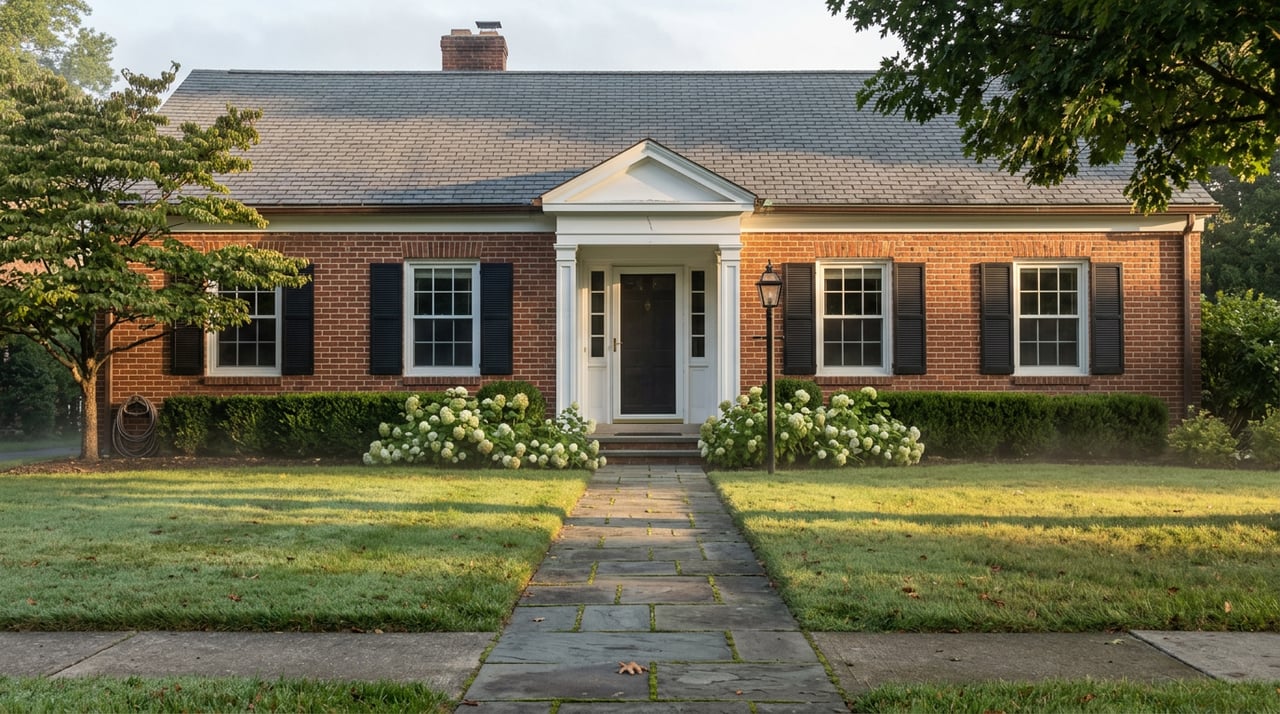
Brookline offers a different kind of charm. Rather than one continuous historic district, the town has a Preservation Commission and multiple local historic districts, including areas such as Chestnut Hill, Crowninshield, Harvard Avenue, Pill Hill, and Cottage Farm. That creates a more mixed housing pattern across town.
In places like Coolidge Corner, Brookline planning documents describe surrounding buildings and townhouses as built mostly of brownstone. But unlike Back Bay, the brownstone experience in Brookline tends to appear in pockets and village centers instead of a uniform rowhouse grid. If you want classic architecture with a slightly more varied neighborhood rhythm, Brookline may feel more flexible.
Lifestyle feels different in each location
Back Bay is more intensely urban
Back Bay offers one of the most central urban living experiences in Boston. The setting is dense, active, and highly connected, with major streets and transit options shaping daily life. If you want to step out your door into a more fast-paced city environment, Back Bay usually delivers that feeling more clearly.
That urban intensity often appeals to buyers who prioritize access and centrality over ease of parking or exterior flexibility. It can also be a strong fit if you value the prestige of a protected historic address and the classic look that comes with it.
Brookline leans more village-centered
Brookline tends to feel more neighborhood-scaled in its day-to-day experience. Town planning materials describe areas like Coolidge Corner and Brookline Village as commercial activity hubs, which helps explain why many buyers experience Brookline as a series of connected village centers rather than one uninterrupted urban core.
That difference matters. You may find Brookline more appealing if you want walkability and convenience, but still prefer a setting that feels a bit less intensely urban than Back Bay. For many buyers, that balance is the reason Brookline stays high on the shortlist.
Historic rules and renovation flexibility
Back Bay has tighter exterior controls
If renovation potential is part of your home search, this is one of the biggest distinctions. Back Bay’s guidelines address visible exterior features such as masonry, brownstone repair, roof work, skylights, windows, and facade changes. In practical terms, the historic character is carefully protected.
That can be a real advantage if you value preservation and consistency across the neighborhood. But it can also make visible updates more involved. If you are buying with the goal of changing the exterior appearance, you will want to understand those constraints early.
Brookline can allow more modern packaging
Brookline can feel more adaptable, especially in village-center settings where newer multifamily formats appear alongside older housing stock. One example from town materials is a 12-story residential proposal in Coolidge Corner with parking, a lobby, and amenities below residential floors. That does not define all of Brookline, but it does show a broader range of building types.
For buyers comparing newer conveniences against pure historic consistency, this can be a deciding factor. Brookline may offer more opportunities where parking and building amenities are part of the overall package, particularly in its busier centers.
Commute and transit tradeoffs
Brookline is strong for Green Line access
Brookline is served by the MBTA Green Line C and D branches. The C branch runs along Beacon Street, while the D branch runs from Reservoir to Chapel Street in Longwood. If your routine aligns with those corridors, Brookline can be very convenient.
The town’s Complete Streets policy also emphasizes walkable neighborhoods and commercial districts. That supports a daily lifestyle where errands, dining, and transit can feel integrated into a more neighborhood-oriented pattern.
Back Bay is the broader transit hub
Back Bay stands out for regional connectivity. Back Bay Station connects to the Orange Line, Commuter Rail, and Amtrak, and city transit materials also describe Route 39 as serving the station and linking riders to additional rail options. If you need the broadest mix of transit choices, Back Bay has the edge.
This is one of the clearest reasons some buyers accept the tradeoffs of a denser environment. If your schedule depends on moving easily across Boston and beyond, the location can be hard to match.
Parking is often the tie-breaker
Brookline provides more practical parking options
For many buyers, parking becomes the real decision-maker. In Brookline, a resident daytime parking permit costs $30 per year and allows parking beyond the two-hour limit on qualifying residential streets from 6 a.m. to 2 a.m. The town also offers overnight resident parking spaces in town-owned lots for $100 per month.
That structure gives Brookline a more practical feel for car owners. It does not mean parking is effortless everywhere, but there are clearer systems in place for residents who need a workable everyday solution.
Back Bay parking is tighter
Boston’s resident parking permit program is free and gives residents preferential on-street access. In 2024, the city converted 123 Back Bay spaces to resident permit parking and added 25 overnight resident permit spaces after removing meters. Even so, the overall parking environment in Back Bay remains more tightly managed.
If you drive regularly, this difference deserves serious weight in your decision. Back Bay can still work well, but buyers should go in with realistic expectations about street parking and curb access in a highly central neighborhood.
Price positioning and value perception
Back Bay usually commands a higher premium
Public market snapshots suggest Back Bay carries a significantly higher price per square foot than Brookline. Realtor.com reported roughly $1.5K per square foot in Back Bay versus about $847 per square foot in Brookline in spring 2026. While any specific property will vary, the broader pricing gap is meaningful.
That premium reflects more than architecture alone. Back Bay buyers are often paying for centrality, a recognized historic setting, and broader transit access in one of Boston’s best-known residential districts.
Brookline can offer a different value equation
Brookline is still a premium market, but the value proposition often reads differently. Buyers may be drawn to its proximity to Boston, village-centered layout, and parking options, along with a somewhat more residential day-to-day feel. For some households, that combination creates a stronger overall fit even when the goal is still luxury living.
This is why the choice is rarely just about style. It is about which tradeoffs actually improve your daily routine and long-term satisfaction.
Which buyers tend to prefer each area
Back Bay may fit you best if you want:
- The most iconic brownstone streetscape in this comparison
- A central, rail-rich urban commute pattern
- A protected historic setting with strong visual continuity
- A location that often commands a higher price premium for centrality and character
Brookline may fit you best if you want:
- A more village-centered daily lifestyle
- Brownstones, condos, and multifamily options across a more varied housing mix
- More practical parking solutions through permits and town-owned lots
- Greater flexibility in settings that may include newer amenity packages
The smartest way to compare Brookline and Back Bay
The right choice usually comes down to what you want your everyday life to feel like. If you want the most iconic historic streets, stronger regional transit connections, and a distinctly urban setting, Back Bay often rises to the top. If you want classic architecture with a more neighborhood-scaled rhythm, easier parking options, and a wider range of housing formats, Brookline may be the stronger match.
When you are comparing two premium markets this closely, small details matter. Block-by-block context, building rules, commute patterns, and parking logistics can all shape whether a home feels effortless or frustrating. If you want a tailored read on specific buildings, streets, or off-market opportunities in Brookline or Back Bay, Megan Kopman can help you evaluate the options with clarity and discretion.
FAQs
What is the main difference between Brookline brownstones and Back Bay homes?
- Back Bay is known for a more uniform, protected historic rowhouse environment, while Brookline offers brownstones and condos in a more mixed, village-centered housing pattern.
Is Back Bay or Brookline better for commuting in Boston?
- Back Bay offers broader regional transit connections through Back Bay Station, while Brookline is especially convenient for buyers who rely on the Green Line C and D branches.
Is parking easier in Brookline or Back Bay?
- Brookline generally offers more practical parking solutions through resident permits and town-owned overnight lots, while Back Bay parking is more tightly managed on street.
Are historic renovation rules stricter in Back Bay than in Brookline?
- Yes. Back Bay has a tightly controlled historic exterior review process, while Brookline’s preservation structure is more varied across different local historic districts.
Is Back Bay more expensive than Brookline?
- Public market snapshots cited in the research suggest Back Bay has a higher price per square foot than Brookline, reflecting its central location, historic setting, and transit access.