Thinking about trading your driveway and yard work for a brick-lined street, world-class walkability, and museum-caliber architecture? If you’re an empty-nester weighing a move from Newton or Brookline, Beacon Hill can be a beautiful next chapter. The question is whether the daily realities match your priorities: stairs vs. elevators, parking plans, HOA fees, tourism, and access to care. In this guide, you’ll learn exactly how Beacon Hill lives day to day so you can decide with confidence. Let’s dive in.
Beacon Hill at a glance
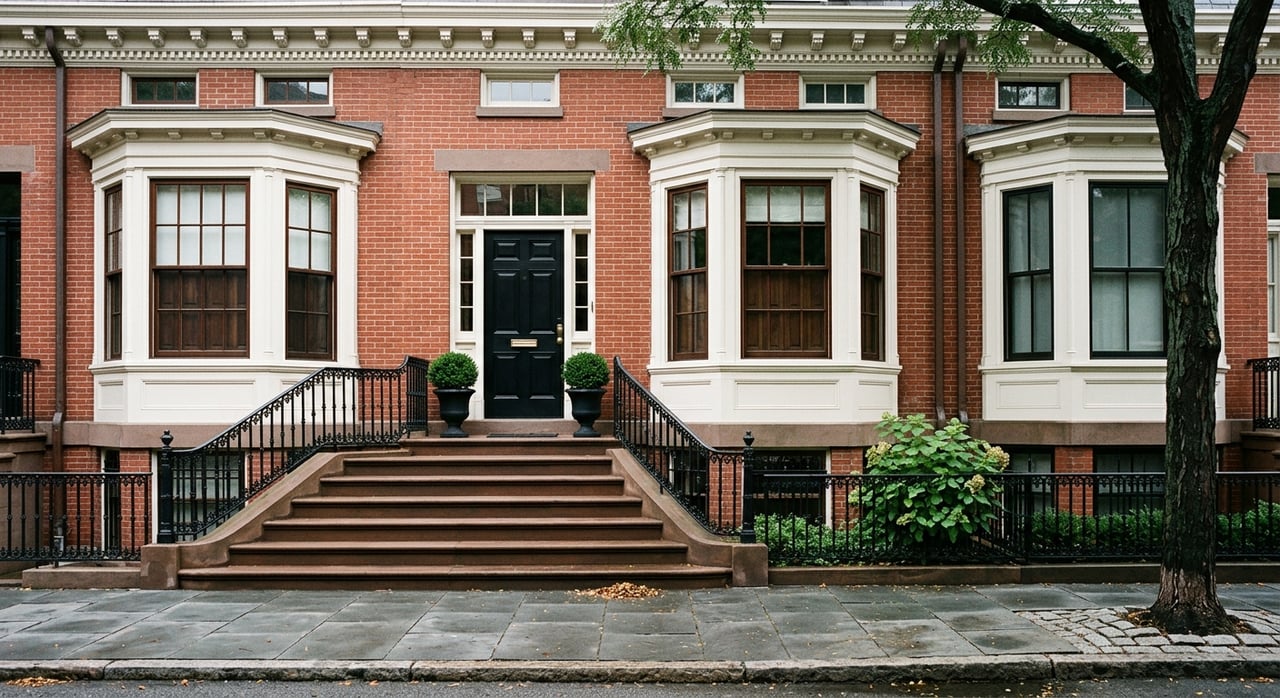
Beacon Hill is a compact, 19th-century historic district just north of Boston Common and the Public Garden. Exterior changes are reviewed by the Beacon Hill Architectural Commission, which helps preserve the neighborhood’s character and can affect windows, stoops, and other visible features. You should plan around that review process if exterior modifications are important to you, especially in condo buildings that have their own rules. Learn more about local oversight through the neighborhood association’s overview of living in the district at the Beacon Hill Civic Association.
Beacon Hill ranks among Boston’s most walkable areas, with top-tier Walk Score metrics that make errands, dining, and appointments feasible without a car for many residents. If you value stepping out to shops and services instead of driving, the location supports that lifestyle well.
The neighborhood also sits on or near the Freedom Trail and the Massachusetts State House. That means easy access to culture and green space, along with predictable daytime tour activity and crowds near the Common and State House. If you prefer a quieter block, you’ll want to focus on side streets set back from Charles Street and the main tourist routes.
- Beacon Hill preservation and living context: visit the Beacon Hill Civic Association’s living-here page at bhcivic.org
- Neighborhood walkability metrics: see Walk Score’s Beacon Hill page
- Freedom Trail and visitor activity context: review the National Park Service overview
Healthcare access you can walk to
If proximity to medical care is a top priority, Beacon Hill is hard to beat. Massachusetts General Hospital’s main campus at 55 Fruit Street sits just off the Hill, so specialist visits and emergency access are close at hand. For many downsizers, this is a decisive advantage.
- Hospital proximity and services: explore Massachusetts General Hospital
Tip: Measure actual walk times from specific buildings you’re considering. Some addresses are a few short blocks from MGH, while others sit higher on the Hill with additional stairs or inclines.
What you’ll find for housing
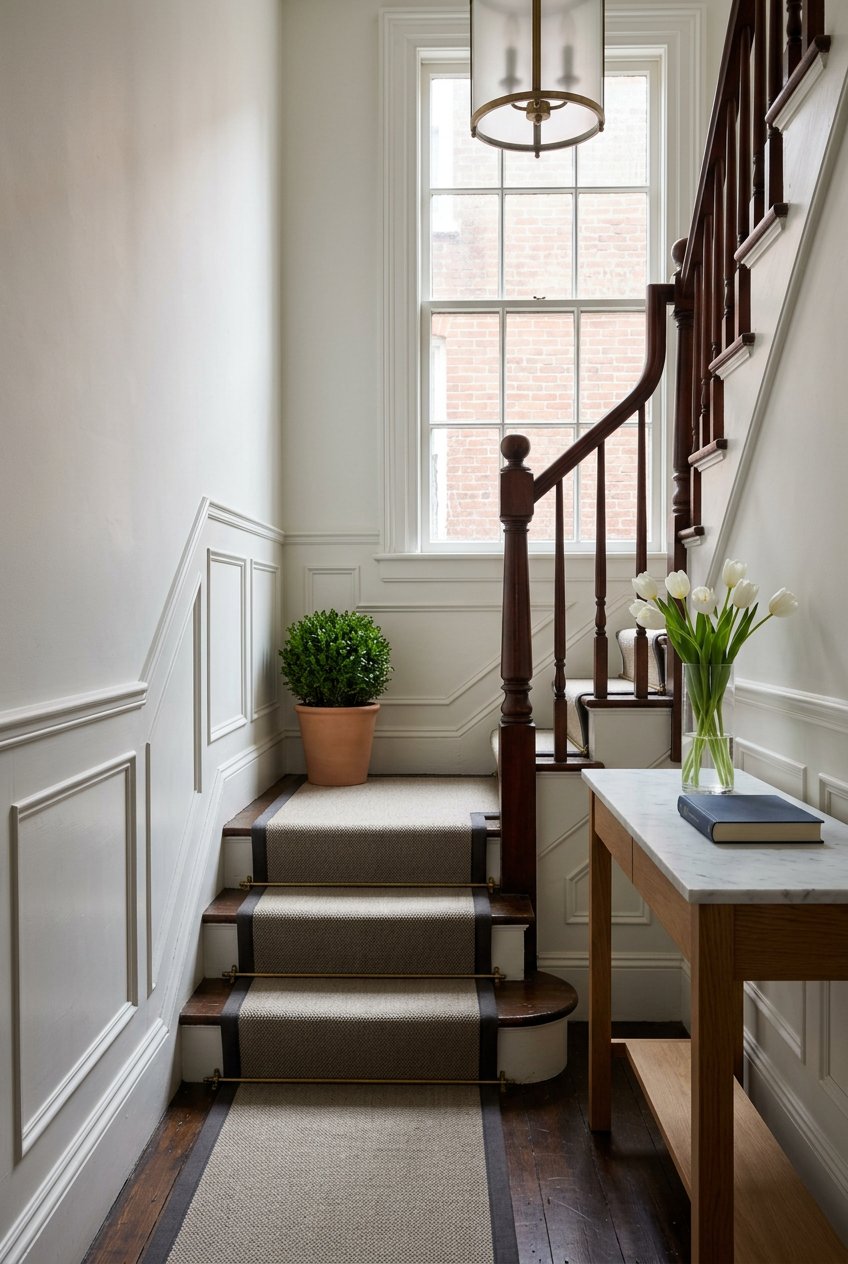
Most of Beacon Hill is made up of Federal and Greek Revival brick rowhouses and brownstones. Over the decades, many were converted to condos, which explains narrow staircases, variable floor plans, and limited elevator access in smaller buildings. The preservation focus keeps the historic feel intact and influences how buildings can be updated on the exterior.
Brownstone walk-ups: charm vs. stairs
Many brownstone units are true walk-ups without elevators. You’ll often see listing notes like “4th-floor walk-up, no elevator” or “5th-floor walk-up,” which set clear expectations. These homes tend to offer classic details, lower HOA fees, and a central location, but they are not ideal if you prefer step-free living or regularly move bulky items.
Elevator buildings and modern conveniences
If you want single-level living with easier access, look for mid-rise condo conversions and boutique buildings that include elevators, in-building laundry, and sometimes deeded garage parking. You will likely see higher monthly HOA fees in exchange for those conveniences, and potentially a concierge or on-site management in select addresses. Buildings like River House along Pinckney Street are known for on-site garage options, while larger buildings near Beacon Street or closer to Charles Street can offer elevators and more services.
Accessibility planning in a historic district
Your first filter should be elevator access if you want to future-proof your move. Ask early whether a building has an elevator and whether the unit is truly one level from the elevator to the residence. For buildings without elevators, confirm stair counts and width.
Modifications are often possible inside a unit, but some changes may be subject to association bylaws and, in certain cases, exterior review because Beacon Hill is a protected historic district. People with disabilities are entitled to reasonable accommodations under the Fair Housing Act and Massachusetts law. When evaluating a building, ask the trustees or manager about past accommodation approvals and the process.
- Disability rights and accommodations in housing: see Massachusetts guidance
- Historic district context and exterior review: consult the Beacon Hill Civic Association
Parking and cars: set realistic expectations
Owning a car in Beacon Hill is very different from suburban living. On-street spaces are subject to the City of Boston’s Resident Parking Permit program, and visitor spaces are limited. Without a deeded garage space, you will likely rely on resident permits and patience, or lease a monthly spot nearby.
Private garages, including the Boston Common Garage beneath the Common and the Charles Street area garages, offer monthly options at a recurring cost. Some buildings do have deeded garage spaces, which can be a major advantage if you drive frequently or want predictable winter parking.
- Resident Parking Permits: review City of Boston guidance
- Nearby monthly garage option: explore the Boston Common Garage
Noise, deliveries, and the feel of each block
Beacon Hill’s street character shifts block to block. Charles Street is a lively shopping and dining corridor with daytime deliveries and visitors, while many interior lanes such as Temple, Acorn, and Brimmer can feel more residential. Touring at different times of day helps you match the block to your lifestyle.
- Get a sense of the Charles Street retail corridor through the Beacon Hill Garden Club’s local shopping page
HOA and condo mechanics to know
Massachusetts condominium law governs how associations operate, how budgets and reserves are handled, and how unpaid fees are enforced. In practice, that means you should review the master deed, declaration of trust/bylaws, budget, reserve study, insurance, and recent meeting minutes before you finalize an offer. It also means closing logistics can include association-specific timing considerations.
One key document at closing is the Section 6(d), or “6D,” certificate, which states the unit’s balance for common charges and other association items. Smaller volunteer boards sometimes need extra lead time to produce it, so aligning timelines early avoids surprises.
- Association fees and enforcement context: see a Massachusetts appellate case summary on condo assessments at Justia
- 6D certificate overview and timing: read this Massachusetts-focused explainer
What HOA fees look like
Monthly fees vary widely based on building size, services, and what’s included. Recent Beacon Hill listings illustrate the spread, from low hundreds per month in smaller brownstones to well over a thousand dollars in buildings with elevators, heat or hot water included, and professional management. When comparing options, focus on what the fee covers, not just the dollar amount.
Common inclusions:
- Building insurance and common area maintenance
- Heat, hot water, or gas in some buildings
- Elevator maintenance and reserves
- Professional management or concierge services
Moving and storage in a brownstone neighborhood
Plan ahead for move-in logistics. Narrow sidewalks, resident-only streets, and stair-only entries make professional movers who know Beacon Hill invaluable. Many buildings have moving-day rules, elevator reservations, and insurance requirements. If you’re downsizing, consider staging your move in phases and right-sizing furniture to fit classic city proportions.
What it may cost compared to Newton or Brookline
Beacon Hill’s typical home value has recently tracked near the million-dollar mark, reflecting a premium per square foot for the central location and smaller footprints. By contrast, typical valuations in Newton are higher due to larger single-family homes, and Brookline tends to fall in between. For many downsizers, selling a larger suburban home and purchasing a centrally located Beacon Hill condo is feasible, though monthly costs can increase or decrease depending on the unit and fees you choose.
What to model:
- Net proceeds from your suburban sale after commissions and taxes
- Target purchase price and closing costs in Boston
- Monthly HOA fees and what they include
- Boston property tax and homeowner’s insurance
- Garage or monthly parking costs if you do not have deeded parking
- Moving expenses, elevator reservation fees, and possible short-term storage
Quick guide: if you value X, start here
| Priority | Beacon Hill fit to consider |
|---|---|
| Single-level living and easy access | Elevator buildings or first-floor units on flatter blocks near Charles Street or close to MGH |
| Private parking | Buildings with deeded garage spaces or a secured monthly garage plan nearby |
| Lower monthly HOA | Smaller brownstones without elevators or concierge services, accepting stairs and on-street parking |
| Quiet home base | Side streets set back from Charles Street, and lanes like Temple, Acorn, or Brimmer; tour at lunch and evening to compare activity |
| Fast healthcare access | Addresses on the north/west slopes closest to MGH; confirm actual walk times from the building |
How to shop Beacon Hill like a pro
Use this streamlined approach to keep the search focused and efficient:
- Define mobility and access needs first
- Decide whether an elevator is a must-have. If not, cap acceptable stairs and confirm stairwell width for moving.
- Nail down the parking plan
- Confirm your eligibility for a Resident Parking Permit, and price monthly garage options if you will not have a deeded spot.
- Compare total monthly costs
- Build a side-by-side of HOA fees, taxes, parking, and utilities so you see the full picture.
- Stress-test the block
- Visit at different times to gauge traffic, tour groups, and restaurant deliveries. A weekday morning can feel very different from Saturday afternoon.
- Diligence the association early
- Request the master deed, bylaws, budget, reserve study, insurance certificate, and recent meeting minutes before final negotiations. Ask how long the association needs to produce the 6D certificate and whether any special assessments are planned.
Is Beacon Hill the right move for you?
Beacon Hill can be an exceptional downsizing choice if you value walkability, architectural character, and immediate access to healthcare and culture. The tradeoffs are real: many buildings have stairs, private parking is scarce, and HOA fees vary widely. With the right building and block, though, you can align convenience, comfort, and lifestyle in a uniquely Boston way.
If you want a tailored Beacon Hill plan, we can help. Our team previews elevator buildings, verifies parking and HOA details, models total monthly costs, and coordinates a smooth move-in timeline. For a discreet conversation about your goals, request a private consultation with Megan Kopman.
FAQs
Is Beacon Hill a good neighborhood for downsizers who want to walk to daily needs?
- Yes. Beacon Hill ranks among Boston’s most walkable areas, making errands and dining feasible without a car for many residents. See Walk Score’s Beacon Hill page for context.
How challenging is parking in Beacon Hill if I keep a car?
- Plan for the City’s Resident Parking Permit system or a paid monthly garage if you do not have deeded parking; review permit details on the City of Boston site and consider options like the Boston Common Garage.
Are elevators common in Beacon Hill condos?
- Many smaller brownstones are walk-ups without elevators, while mid-rise conversions and select boutique buildings offer elevators and added services; expect higher HOAs in elevator buildings and confirm access early.
What condo documents should I review before buying in Beacon Hill?
- Ask for the master deed, bylaws, budget, reserve study, insurance certificate, recent minutes, and confirm 6D certificate timing; see a Massachusetts case summary on condo assessments and a 6D explainer for local transaction context.
How close is Beacon Hill to major hospitals like MGH?
- Very close. MGH’s main campus sits adjacent to the neighborhood, but walk times vary by address; confirm specifics with Massachusetts General Hospital and map from the buildings you’re considering.