Newton, MA Real Estate & Neighborhood Guide (13 Villages)
Newton, Massachusetts is an independent city of roughly 88,900 residents in Middlesex County, located about seven miles west of downtown Boston along the Charles River and made up of thirteen distinct villages rather than a single downtown, spanning ZIP codes from 02458 to 02468. In 2025, Newton's single-family homes sold at a median price of $1,825,000 (up 8% year-over-year) and condominiums at a median of $1,072,500 (up 2% year-over-year), with 2026 year-to-date data showing continued seller-favorable conditions across both property types.
“Newton in 2026 is best described as a market that's caught its breath without losing its footing. Single-family homes are averaging $2.2 million year-to-date and selling at 101.5% of list price in under a month, and condos are close behind at 99% of list — both genuinely seller-favored numbers. But underneath the headline, month-to-month figures have bounced around more than they did in 2021 or 2022, and a handful of reports even showed brief year-over-year dips last fall. That's not a market losing conviction; it's a market normalizing after several years of uninterrupted frenzy. With thirteen villages that behave like thirteen different markets — Newton Centre and Chestnut Hill command $1.6 to $2.2 million and up for single-family homes, while other villages offer real value — buyers and sellers who understand the village-level data, not just the citywide average, are the ones making the smartest decisions right now.”
— Kopman Adler + Co.
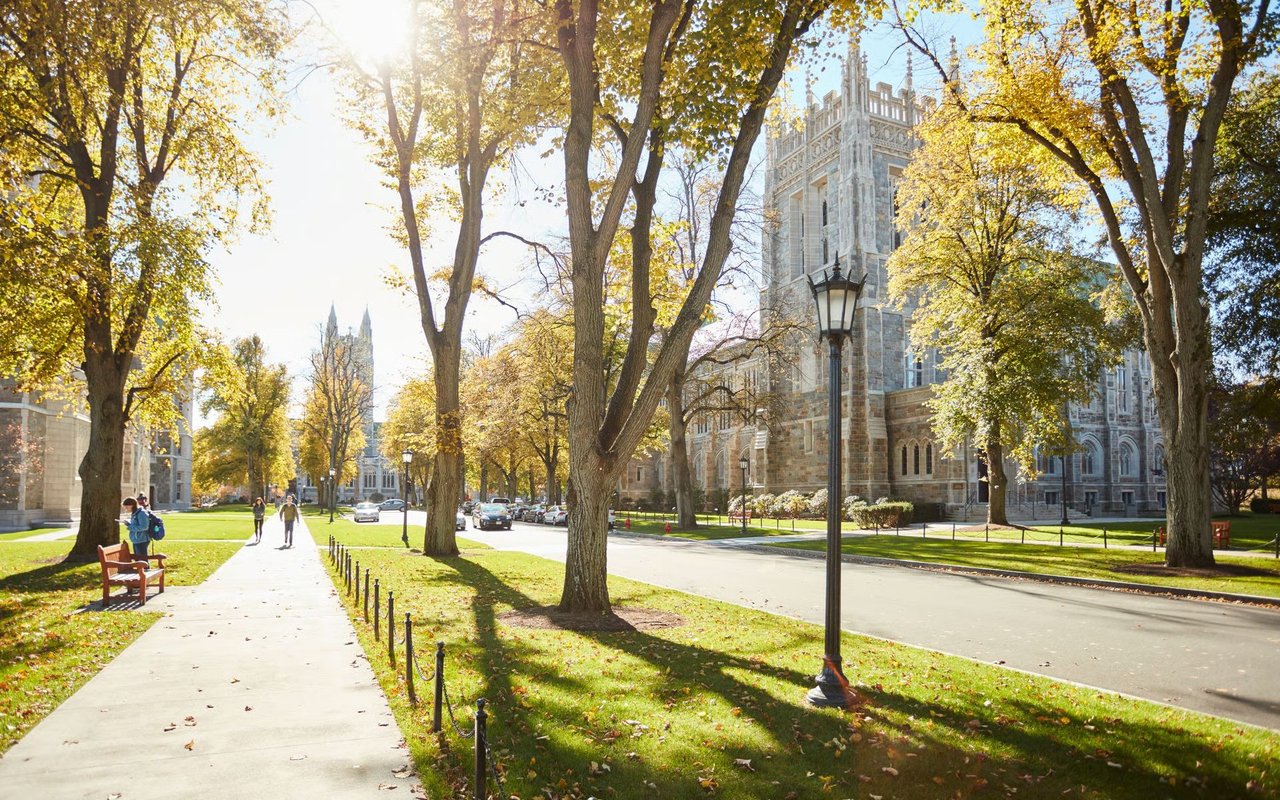
Newton is unusual among Boston's western suburbs for the sheer degree to which its identity is fragmented, by design, into thirteen officially recognized villages: Auburndale, Chestnut Hill (shared with Brookline and Boston), Newton Centre, Newton Corner, Newton Highlands, Newton Lower Falls, Newton Upper Falls, Newtonville, Nonantum, Oak Hill, Thompsonville, Waban, and West Newton. Each has its own village center, and most have their own ZIP code and, historically, their own post office — a structure that dates back to the 19th-century patchwork of mill and rail settlements that eventually incorporated as the City of Newton in 1874. Known locally as “The Garden City,” Newton dedicates nearly 20% of its roughly 18 square miles to open space, including the Charles River Reservation, Crystal Lake, and the Webster Conservation Area, and the Boston Marathon route runs directly through the city's famed “Newton Hills,” culminating in the notorious Heartbreak Hill. The city is anchored by two comprehensive public high schools, Newton North and Newton South, both consistently ranked among the strongest in Massachusetts, and offers direct access to Boston via both the Massachusetts Turnpike and the MBTA Green Line D branch, which runs through Chestnut Hill, Newton Centre, Newton Highlands, Waban, and several other villages. Chestnut Hill is also home to Boston College. For buyers, Newton's appeal is its combination of genuinely suburban housing stock — yards, driveways, and space that neighboring Brookline and Boston can't match — with a commute and school system that compete directly with the city's most desirable urban neighborhoods.
$900K – $6M+
The dominant housing type across Newton's thirteen villages, spanning Colonials, Victorians, Capes, and mid-century construction on genuinely suburban lots. In 2025, the median single-family sale price reached $1,825,000 (up 8% year-over-year) and the average sale price hit an all-time high of $2,039,983, the first time the townwide average crossed the $2 million mark; 525 single-family homes changed hands, up nearly 9% from 2024. Pricing varies enormously by village — Newton Centre and Chestnut Hill regularly see single-family homes trade between $1.6 million and $2.2 million or more, while other villages offer meaningfully lower entry points for buyers willing to trade some prestige for value.
$500K – $2.5M+
Newton's condo market has crossed the $1 million median mark for two consecutive years, with a 2025 median sale price of $1,072,500 (up 2% year-over-year) and an all-time-high average sale price of $1,174,306. Condo and townhome product ranges from more accessible one- and two-bedroom units in village centers like Newton Highlands and Newtonville, typically starting in the $500,000s, up to luxury townhome and new-construction product near Chestnut Hill and Newton Centre reaching $2 million or more.
$1M – $3M+
Two- and three-family properties remain a meaningful segment of Newton's market, particularly in villages like Nonantum, Newton Corner, and Newton Upper Falls, which retain more of the city's historic mill- and rail-era multi-family housing stock. These properties appeal to investors and owner-occupants alike, offering rental income potential in a city where consistently strong schools and Green Line or commuter rail access keep tenant demand steady.
$2M – $6M+
Newton's most prestigious housing stock concentrates in Chestnut Hill (shared with Brookline and bordering Boston College) and the streets surrounding Newton Centre village. Grand Colonials, Tudors, and architect-designed contemporary homes on larger lots regularly clear $2 million and, at the very top of the market, reach well into the $5–$6 million range. This segment moves more deliberately than the broader market but has consistently anchored Newton's highest per-sale prices for decades.
Newton's buyer pool is built around families prioritizing its public school system — Newton North and Newton South High Schools anchor a district that consistently ranks among the best in Massachusetts, and school quality is the single most cited reason buyers give for choosing Newton over comparably priced Boston neighborhoods. Boston College faculty and staff are a steady presence in and around Chestnut Hill, while professionals commuting to the Longwood Medical Area, downtown Boston, or the Route 128 technology corridor are drawn by the Mass Pike and Green Line D branch's direct access to both. Move-up buyers from Brookline, Cambridge, and Boston's inner neighborhoods regularly relocate to Newton in search of a yard, a driveway, and more square footage without giving up a genuine commute to the city. Empty nesters and downsizers from farther suburbs choose Newton's more walkable villages — Newton Centre, Newton Highlands, and West Newton in particular — for a lower-maintenance lifestyle that still offers single-family housing stock. Investors are active in the city's multi-family segment, particularly in Nonantum and Newton Corner, where rental demand stays consistent year-round.
Newton's investment case is grounded in genuinely durable fundamentals: a fixed 18-square-mile footprint with nearly 20% of its land permanently protected as open space, a public school system that consistently ranks among the state's best, and direct highway and transit access to both downtown Boston and the Route 128 corridor. The numbers back this up over any reasonable time horizon — 2025 closed with all-time-high average sale prices in both the single-family ($2,039,983) and condo ($1,174,306) segments, and 2026 year-to-date data shows single-family homes selling at 101.5% of list price in an average of 29 days and condos at 99.0% of list price in 40 days, both clearly seller-favored conditions with roughly 3.3–3.4 months of supply. That said, Newton's market has shown more month-to-month variability recently than it did during the height of the pandemic-era frenzy — some reports showed a brief year-over-year pullback in median price during the fall of 2025 before reaccelerating into 2026 — which most local agents read as healthy normalization rather than a change in the city's underlying trajectory. As with Brookline, the most important caveat for investors is that Newton is not one market: pricing, appreciation, and liquidity vary meaningfully by village, and the citywide average can obscure real differences between Newton Centre and, say, Newton Lower Falls.
Newton has no single downtown — it is thirteen officially recognized villages, each with its own center, character, and price point. The six profiled here see the most residential transaction volume and the widest name recognition; the remaining villages — Newton Corner, Newtonville, Nonantum, Newton Upper Falls, Newton Lower Falls, and Thompsonville — each have their own distinct, generally more accessible character worth exploring with a local agent.
$1.6M–$2.2M+ (single-family) · Key Streets: Centre Street, Beacon Street, Langley Road
Newton's largest and most commercially active village, centered where Centre Street, Beacon Street, and Langley Road meet, with Green Line D branch access putting Boston within a direct ride. Newton Centre consistently commands some of the city's highest single-family prices, typically $1.6–$2.2 million or more, alongside a growing stock of walkable condo and townhome product near the village center.
$2M–$6M+ · Key Streets: Hammond Pond Parkway, Heath Street
Shared among Newton, Brookline, and Boston, and home to Boston College, Chestnut Hill is Newton's most prestigious address. Large estates on generous lots near Hammond Pond Parkway anchor the top of the city's price range, drawing academic, medical, and executive buyers who prioritize privacy and prestige alongside proximity to both Newton Centre and Brookline's own Chestnut Hill enclave.
Key Streets: Beacon Street, Windsor Road, Woodward Street
A quieter, leafier village along the Green Line D branch between Newton Centre and Newton Highlands, known for its Tudor and Colonial housing stock, strong sense of community, and easy access to Cold Spring Park and the Charles River. Waban trades at a modest discount to Newton Centre and Chestnut Hill while offering comparable school access and transit convenience.
Key Streets: Washington Street, Watertown Street
One of Newton's oldest villages, home to the West Newton Village Center National Register Historic District and served by the Framingham/Worcester commuter rail line in addition to bus connections. West Newton offers a walkable historic village center with a mix of well-preserved single-family homes and increasingly popular condo conversions, generally at a more accessible price point than Newton Centre or Chestnut Hill.
Key Streets: Commonwealth Avenue, Auburn Street
Centered on the intersection of Commonwealth Avenue and Auburn Street along the Charles River, Auburndale was historically one of Newton's most affluent northern villages and retains a strong stock of large, architecturally distinctive single-family homes, along with commuter rail access via the Framingham/Worcester line.
Key Streets: Centre Street, Walnut Street, Lincoln Street
A walkable village centered where Centre, Walnut, and Lincoln Streets meet, with its own Green Line D branch stop and a compact commercial center of shops and restaurants. Newton Highlands offers many of Newton Centre's transit and lifestyle advantages at a generally more accessible price point, making it a popular choice for move-up buyers.
Answers from the team at Kopman Adler + Co., who have lived and worked across Greater Boston's premier suburbs for 20+ years.
Newton does not publish a single reliable townwide price-per-square-foot figure the way more uniform markets do, because pricing varies so significantly by village and property type. As a general guide, single-family homes in 2025 averaged roughly $2,039,983 per sale, while condos averaged $1,174,306 — both all-time highs. Newton Centre and Chestnut Hill command the highest per-square-foot pricing in the city, while villages like Nonantum and Newton Upper Falls offer meaningfully lower entry points for comparable square footage.
Yes — Newton is consistently one of the strongest suburban markets in Greater Boston, supported by top-ranked public schools, nearly 20% permanently protected open space, and direct Mass Pike and Green Line access to Boston. 2026 year-to-date data shows single-family homes selling at 101.5% of list price in about 29 days and condos at 99.0% of list price in about 40 days, both clearly seller-favored conditions. Some month-to-month volatility has crept in as the market normalizes from the pandemic-era frenzy, but the underlying demand drivers — schools, land scarcity, and commute access — remain fully intact.
Inventory spans single-family Colonials, Victorians, and Capes across all thirteen villages ($900K–$6M+), condominiums and townhomes ($500K–$2.5M+), multi-family investment properties concentrated in villages like Nonantum and Newton Corner ($1M–$3M+), and luxury estates in Chestnut Hill and Newton Centre reaching $6 million or more. Newton's single-family stock is meaningfully deeper than in denser inner suburbs like Brookline, reflecting its larger overall footprint and more consistently suburban lot sizes.
Both are affluent, highly-ranked Boston suburbs with strong Green Line access, but they differ in scale and housing character. Newton is roughly 18 square miles across thirteen distinct villages with a more suburban, single-family-dominant housing stock and generally larger lots; Brookline is a more compact, roughly 7-square-mile town with a denser, more walkable village structure and a housing mix more heavily weighted toward condominiums and multi-family buildings. Price points are broadly comparable in each town's most prestigious pockets — Newton Centre and Chestnut Hill versus Coolidge Corner and Brookline's own section of Chestnut Hill — but Newton generally offers more space and yard for a comparable budget outside its most competitive villages.
As of 2026 year-to-date data, single-family homes in Newton were averaging about 29 days to offer and condos about 40 days to offer, with roughly 3.3–3.4 months of supply across both categories — solidly seller-favored conditions. Well-priced, well-presented homes in top villages like Newton Centre and Chestnut Hill frequently receive offers within the first week, while homes in less prime locations or in need of updating can sit meaningfully longer.
It's difficult but not impossible, and location within the city matters enormously. Newton's overall price points — a 2025 single-family median above $1.8 million and a condo median above $1 million — put much of the market out of reach for typical first-time buyers. The most realistic entry points are condos in villages like Newton Highlands, Newtonville, and Nonantum, which generally trade below the citywide condo median, or multi-family properties that allow an owner-occupant to offset their mortgage with rental income.
Three factors stand out: a genuinely constrained land base, with nearly 20% of the city permanently protected as open space and a thirteen-village structure that limits large-scale new construction; a public school system anchored by Newton North and Newton South that keeps family demand durable across market cycles; and reliable multi-family rental demand in villages like Nonantum, Newton Corner, and Newton Upper Falls, supported by Newton's Green Line, commuter rail, and Mass Pike access to Boston's largest employment centers.
Newton's thirteen-village structure means a townwide average can be almost meaningless for any individual transaction — Newton Centre, Chestnut Hill, and Newton Lower Falls are, in practical terms, different markets entirely. Buyers and sellers should look for agents who track individual villages and streets closely rather than relying on citywide figures. Kopman Adler + Co. brings 20+ years of experience transacting across Newton's villages, from Chestnut Hill estates to Newton Highlands condos, with the hyper-local market intelligence this city's varied buyer pool demands.