If you are trying to make sense of South Boston real estate right now, one question comes up fast: how do you compare a classic triple-decker condo to a sleek waterfront loft or a fully renovated newer unit? It is a fair question, because South Boston is no longer a one-note housing market. Today, you are looking at a layered neighborhood where older housing stock, condo conversions, and luxury product all compete for attention. This guide will help you understand what is changing, what still holds value, and how to evaluate the market with more confidence. Let’s dive in.
South Boston Is Not One Market
South Boston works best as a collection of micro-markets, not a single price point. The neighborhood combines long-established residential blocks, active commercial corridors, shoreline streets, and Seaport-adjacent areas that feel very different in daily use and housing style.
That variety helps explain why buyers and sellers can see very different pricing from one pocket to the next. According to Boston’s 2025 South Boston neighborhood profile, the area includes about 40,904 residents and 20,251 housing units, with a housing mix led by 2-bedroom homes at 44.6% and 3+ bedroom homes at 30.0%. Those numbers support demand for both family-sized homes and high-end, turnkey condos.
It is also important to draw a clean line between South Boston and the South End. They are separate Boston neighborhoods with different housing patterns and identities. South Boston is tied more closely to triple-deckers, waterfront history, and newer Seaport-edge development, while the South End is known for a different built environment centered on Victorian townhouses.
The Triple-Decker Still Matters
To understand South Boston today, you need to understand the triple-decker. Across Boston, triple-deckers emerged from the 1880s through the 1930s as an efficient housing type for working-class, middle-class, and income-producing use. In South Boston, many of these buildings were built with flat roofs, which gives the neighborhood a distinct architectural look.
These buildings still shape the market because many have been converted, updated, or repositioned as condos. In some cases, a former three-family may now present as three separate residences with improved layouts, updated kitchens, central air, private outdoor space, or parking. In other cases, the value may still lean more heavily on the building’s scale, location, and future upside.
That is why the story in South Boston is not replacement. It is evolution. Older housing stock still matters, but it now competes within a broader field that includes polished resale condos, new-construction product, and loft-style residences near the waterfront.
Renovated Condos Bridge Old and New
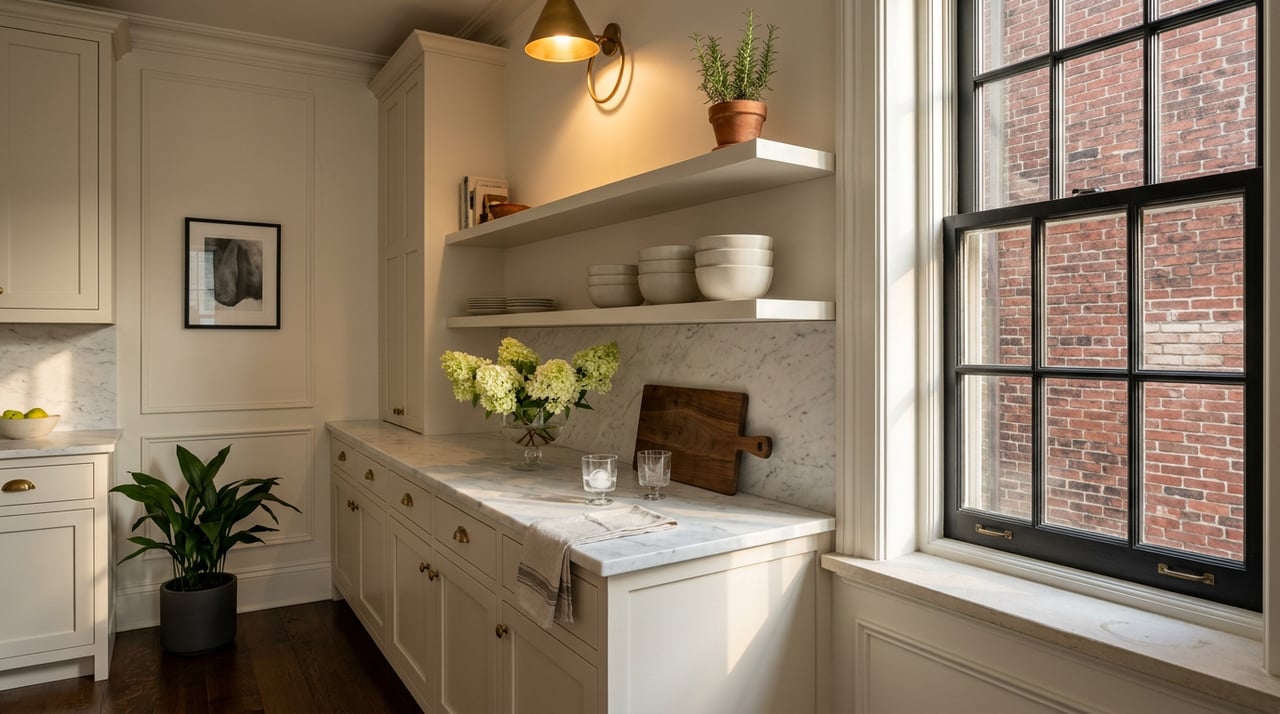
For many buyers, the sweet spot in South Boston is the renovated condo. These homes often offer the neighborhood character people want, with a more current finish level that reduces immediate renovation work.
A well-executed condo conversion can sit in a very attractive middle lane of the market. You may get period scale, a practical bedroom count, and a location on a familiar residential block, while also gaining updated systems and a more turnkey experience. That combination is often why renovated two- and three-bedroom condos remain competitive with newer inventory.
The rental market helps explain part of that demand. Boston’s 2025 profile reports a 2024 median asking rent of $3,490 for a market-rate 2-bedroom apartment in South Boston. For some buyers and investors, that creates a strong backdrop for renovated condos in locations with convenient transit access or proximity to the waterfront.
Luxury Lofts Expanded Near the Waterfront
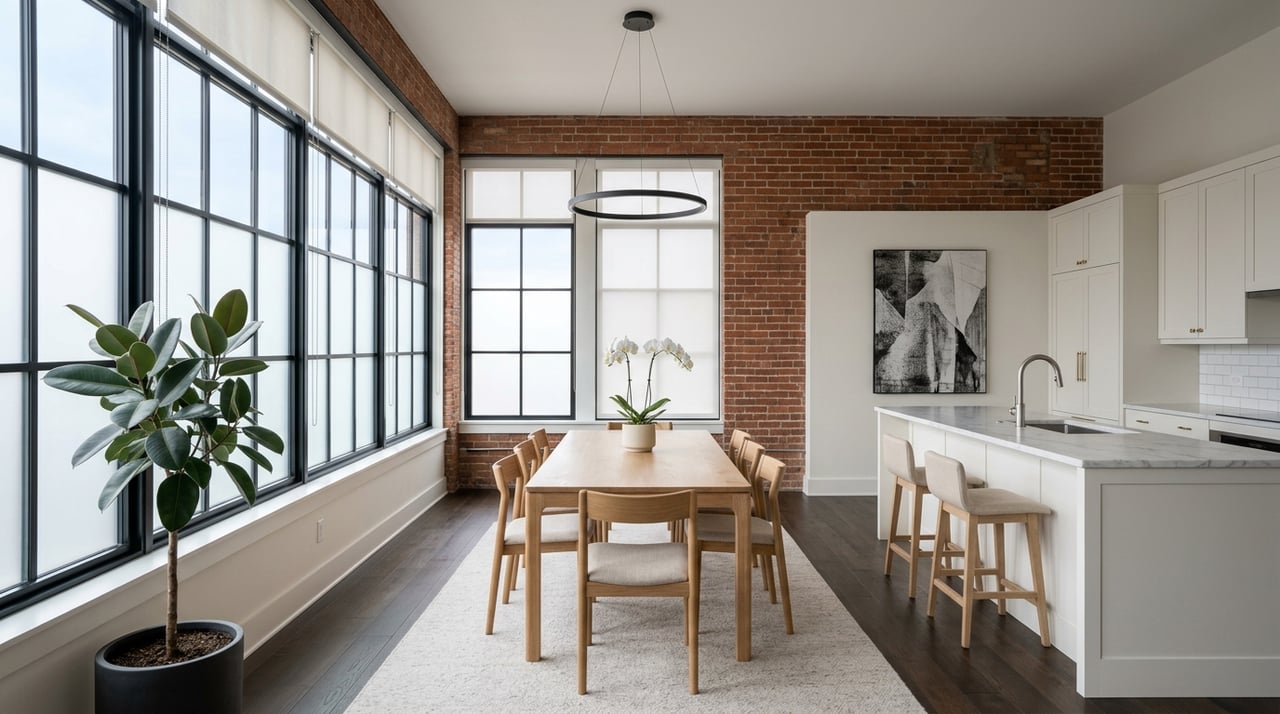
The biggest visual shift in South Boston has happened closer to the Seaport edge and South Boston Waterfront. This area has transformed from warehouses and industrial land into a district with apartments, condominiums, micro-units, and loft-style living.
Boston planning data shows just how dramatic the change has been. From 2010 to 2025, the South Boston Waterfront’s population grew 339% and its housing units grew 419%. That level of growth helps explain why the luxury and newer-construction side of the market now has such a strong presence in the broader South Boston conversation.
For buyers, loft-style and waterfront-adjacent homes often appeal for different reasons than a classic triple-decker conversion. You may be prioritizing elevator access, full-service amenities, newer construction, garage parking, or a polished lock-and-leave lifestyle. Those features can place these homes in a very different pricing lane, even when the square footage looks similar on paper.
Micro-Pockets Drive Pricing
Location inside South Boston often shapes value as much as the home itself. Two properties with the same bedroom count can perform very differently depending on the block, the surrounding uses, and the convenience of everyday life.
Broadway Corridor and Core
East and West Broadway remain central to neighborhood life. The commercial district includes established local businesses as well as newer restaurants, bars, and retailers, which makes this area especially relevant for buyers who value convenience and a strong daily rhythm.
Transit planning also matters here. The South Boston Transportation Action Plan focuses on stronger connections to Broadway and Andrew stations and broader transit improvements. In practical terms, that means access and mobility can influence pricing almost as much as interior finishes.
Beachside and Shoreline Blocks
The shoreline is one of South Boston’s clearest lifestyle differentiators. Pleasure Bay, M Street Beach, and Carson Beach form a three-mile stretch of parkland along Dorchester Bay, and the neighborhood is also defined by assets such as L Street Beach and the Strandway.
For buyers, access to beaches, open space, and waterfront walking routes can justify a premium. For sellers, those same amenities can sharpen positioning if the home also offers outdoor space, views, or an easy path to the shoreline.
Seaport Edge and Waterfront
The South Boston Waterfront sits just across Fort Point Channel from Downtown and includes major destinations such as Fan Pier, the Seaport World Trade Center, and Raymond L. Flynn Marine Park. The area also benefits from Harborwalk access and strong connections through I-90, the Silver Line, and MBTA bus service.
This part of the market often attracts buyers who want a newer building profile and fast access to Downtown, South Station, and Logan Airport. It also tends to concentrate more of the newer luxury product that has helped reshape pricing expectations in the broader area.
How to Compare One Property to Another
When you compare South Boston homes, avoid relying on one headline price metric alone. Product type matters too much here. A thoughtful comparison usually starts with the home itself, then expands outward to the block and the surrounding pocket.
The most useful variables include:
- Building age and overall condition
- Bedroom count and floor-plan efficiency
- Finish level and how turnkey the home feels
- Outdoor space
- Parking
- Elevator access
- HOA burden
- Proximity to transit
- Proximity to beaches or the Seaport edge
This framework is especially important when you are comparing a renovated triple-decker condo to a loft or newer-construction residence. The competition set may overlap, but buyers often assign very different value to convenience, maintenance expectations, and building style.
What the Latest Pricing Suggests
Current pricing snapshots reinforce the idea that South Boston is segmented. Zillow placed South Boston’s home value index at $896,280 and its median sale price at $960,833 in spring 2026. Redfin reported a South Boston median sale price of about $1.1 million over the last three months, while South Boston Waterfront was about $1.0 million over the same period.
These numbers are not directly interchangeable, so they should not be treated as identical measures. Still, together they show a market where product type and location can move value quickly. In other words, being one or two streets closer to the waterfront, Broadway, or newer luxury inventory can materially affect pricing.
Due Diligence Matters More Here
South Boston’s variety creates opportunity, but it also makes due diligence more important. Older buildings and waterfront-adjacent locations each come with their own considerations.
For homes near the shoreline, resilience and flood planning deserve close attention. Boston’s Article 25A Coastal Flood Resilience Overlay District includes both South Boston and South Boston Waterfront, and the city’s resilience planning covers the waterfront from Fort Point Channel to Moakley Park.
For older housing stock, renovation history also matters. Because many South Boston triple-deckers date to the late 19th and early 20th centuries, lead-safe work rules can be relevant when paid renovation work disturbs paint in pre-1978 housing. If you are buying or preparing to sell, understanding the building’s update history can help clarify both risk and value.
What This Means for Buyers and Sellers
If you are buying in South Boston, the key is to define which version of the neighborhood fits your goals. You may want classic scale and character in a converted triple-decker, a polished condo near Broadway, or a more turnkey loft-style home closer to the Seaport edge.
If you are selling, the opportunity is to position your property within the right micro-market and competition set. A thoughtful strategy should reflect not just square footage and finishes, but also how your building type, outdoor space, parking, and location compare with the inventory buyers will actually weigh against it.
In a market like this, broad neighborhood averages only tell part of the story. The strongest decisions usually come from block-level analysis, product-level comparison, and a clear understanding of what today’s buyer is willing to pay more for.
If you are considering a purchase, sale, or strategic repositioning in Boston’s high-value condo market, Megan Kopman offers the discreet, data-driven guidance needed to evaluate South Boston at the micro-market level.
FAQs
Is South Boston the same as the South End?
- No. South Boston and the South End are separate Boston neighborhoods with different housing patterns, built environments, and market identities.
Are triple-decker condos still competitive in South Boston?
- Yes. In South Boston, renovated triple-decker condos can compete well depending on finish level, parking, outdoor space, layout efficiency, and how turnkey they feel compared with newer construction.
Do waterfront or beachside homes in South Boston command higher prices?
- Often, yes. Access to shoreline amenities such as Carson Beach, Pleasure Bay, and nearby waterfront open space can support a premium, though those locations may also require closer resilience and due-diligence review.
What features matter most when comparing South Boston condos?
- The biggest factors usually include building condition, bedroom count, floor-plan efficiency, outdoor space, parking, elevator access, HOA costs, and proximity to transit, Broadway, beaches, or the Seaport edge.
Has luxury inventory grown in South Boston?
- Yes. The strongest expansion has been in the South Boston Waterfront, where housing growth and redevelopment have added more apartments, condominiums, micro-units, and loft-style residences.
Why do South Boston prices vary so much by block?
- South Boston functions as a set of micro-markets, so pricing can change quickly based on housing type, condition, convenience, shoreline access, and proximity to core commercial or waterfront areas.