If you want a Boston condo that puts concerts, museums, dining, and transit within easy reach, Fenway/Kenmore deserves a close look. This is not a quiet, purely residential pocket, and that is exactly why many buyers are drawn to it. When you understand how the neighborhood actually lives day to day, you can buy with more confidence and fewer surprises. Let’s dive in.
Why Fenway/Kenmore Stands Out
Fenway/Kenmore is one of Boston’s most active mixed-use neighborhoods. Boston Planning describes it as a neighborhood of about 38,000 residents that connects Downtown Boston to Allston and Brighton, while Boston.gov highlights landmarks like Fenway Park, the Museum of Fine Arts, Symphony Hall, and the Back Bay Fens.
That context matters when you are buying a condo. The neighborhood’s pace is shaped by arts venues, universities, medical institutions, and sports activity as much as by housing. In practice, you are buying into an urban lifestyle with a strong cultural backbone rather than a conventional condo district.
Cultural Corridor Access Matters
One of Fenway/Kenmore’s biggest advantages is how tightly packed its destinations are. Official venue pages place Fenway Park at 4 Jersey Street, Time Out Market Boston at 401 Park Drive, the Museum of Fine Arts at 465 Huntington Avenue, the Isabella Stewart Gardner Museum at 25 Evans Way, and Symphony Hall at 301 Massachusetts Avenue.
For you as a buyer, that density can shape daily life in a real way. It may mean easier weeknight plans, more walkable errands, and more reasons to spend time in your immediate neighborhood. It also means the area tends to stay active during both the day and the evening.
What Condo Inventory Looks Like
Fenway/Kenmore is generally a smaller-unit market. Boston Planning’s 2025 Fenway materials show that 65.0% of units are studios or one-bedrooms, 26.9% are two-bedrooms, and 8.1% are three-bedrooms or larger.
That unit mix helps set expectations early. If you are searching for a streamlined primary residence or an in-town condo with relatively low day-to-day upkeep, the neighborhood can line up well with your goals. If you need generous square footage, multiple bedrooms, or a more traditional family-sized layout, your options may be narrower.
Older Buildings and Newer Towers
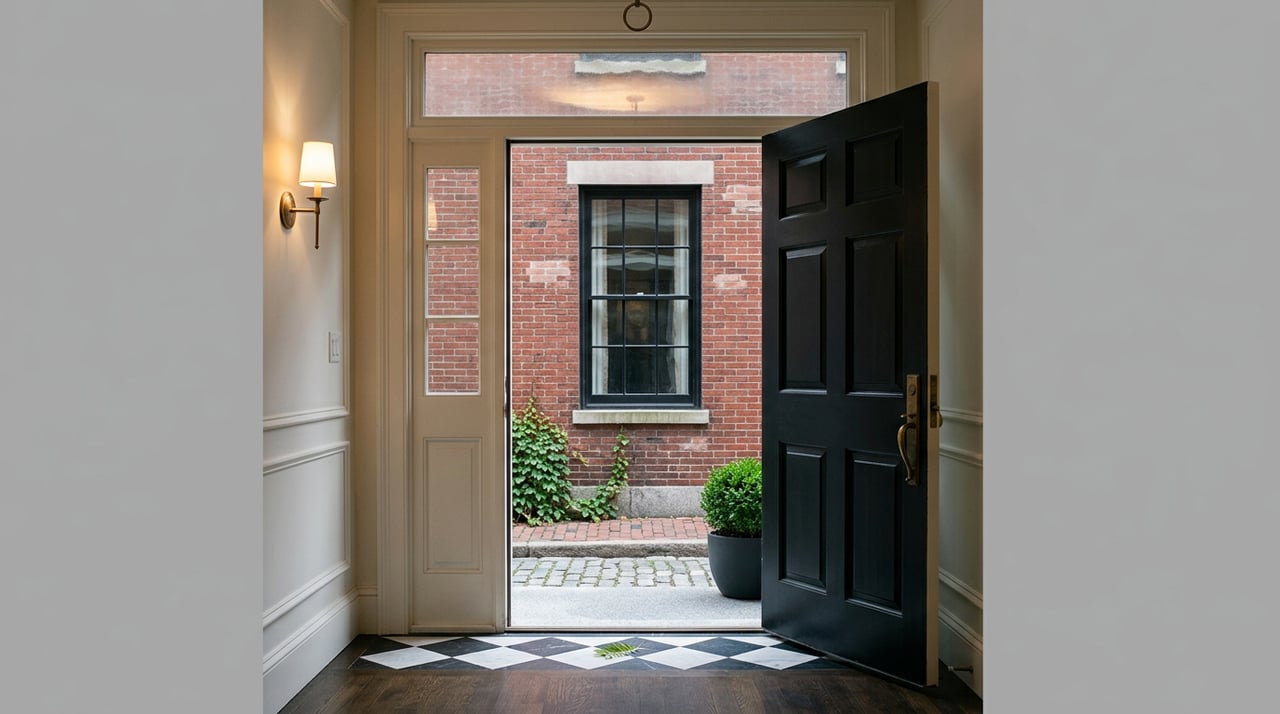
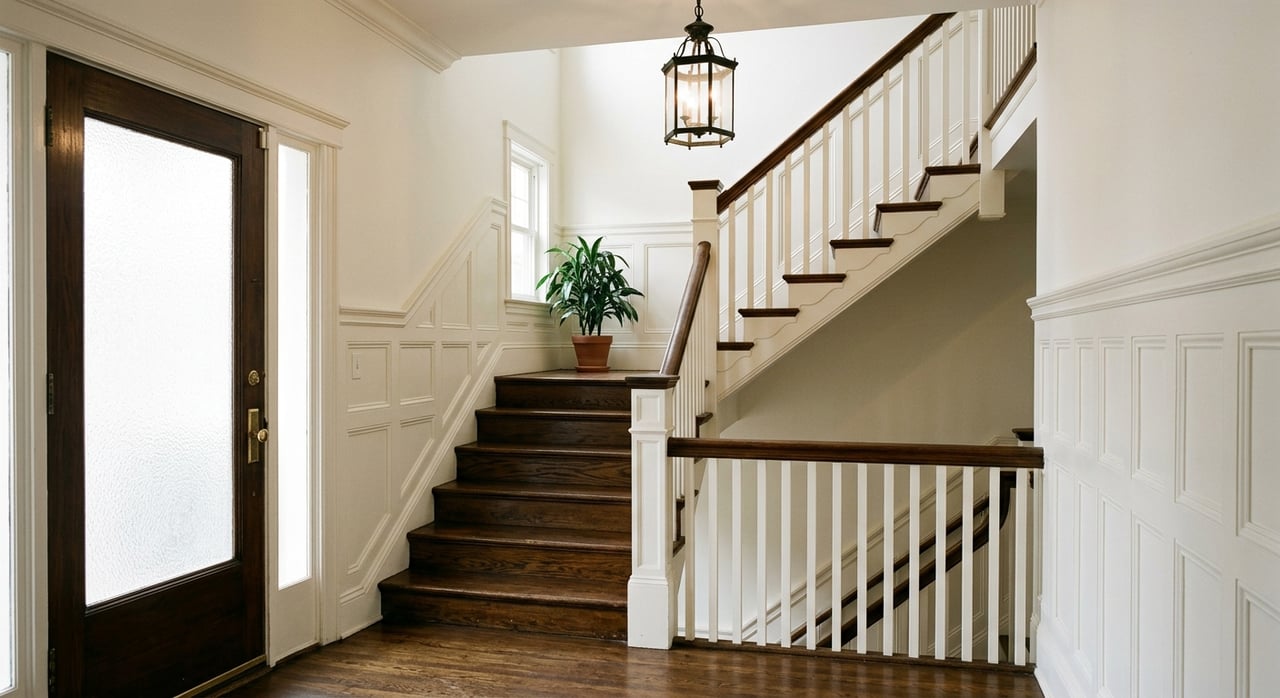
Boston Planning describes the area’s housing stock as a mix of stately brick row houses and newer apartment and condominium towers near Fenway Park. The Fenway Neighborhood Design Overlay District is intended to protect historic character, existing scale, and the pedestrian environment.
As a result, the housing feel can vary block by block. You may see older masonry buildings, conversion-style properties, and newer mixed-use construction in close proximity. That variety is part of the appeal, but it also means each building should be evaluated on its own terms.
A Car-Light Lifestyle Is a Real Advantage
Transit is one of the neighborhood’s strongest selling points. The Museum of Fine Arts directs visitors to the Green Line E, the Orange Line and Commuter Rail at Ruggles, and bus routes including the 39, 8, 19, 47, and CT2. The Red Sox also advise Fenway Park visitors to use public transportation whenever possible.
If your routine depends more on walking and transit than on driving, Fenway/Kenmore can be especially practical. The neighborhood offers strong access to Back Bay, downtown, Longwood, and the broader Green Line corridor. For many buyers, that convenience matters as much as the unit itself.
Parking Is Often a Premium Feature
Boston Planning’s 2025 Fenway profile says 62.0% of Fenway households had zero vehicles. The same profile reports that 42.8% of resident workers walked to work, 22.6% took public transit, and only 10.8% drove or carpooled.
Those numbers help explain a common reality in the local condo market. Parking is often a valuable extra, not a given. If you own a car or expect to host frequent drivers, it is worth weighing parking arrangements just as carefully as finishes, layout, or building amenities.
Event Days Can Change the Experience
Buying near Boston’s cultural corridor comes with tradeoffs, and event-day activity is one of the biggest. Fenway Park hosts game-day events, non-baseball sports, festivals, and summer concerts, and Boston Planning notes that Lansdowne Street has music venues and outdoor vendors on Red Sox game days.
That does not automatically make nearby blocks a poor fit. It simply means your experience may include heavier foot traffic, busier streets, and more ambient noise at peak times. For some buyers, that energy is part of the draw. For others, it is a reason to focus their search a few blocks farther from the busiest nodes.
Noise Should Be Part of Due Diligence
Boston’s noise rules provide useful context, but they do not erase the reality of a busy urban district. The Boston Public Health Commission administers the city noise ordinance, and the city directs complaints about restaurants, bars, and concert venues to Entertainment Licensing. The city also states that construction hours are generally 7:00 a.m. to 6:00 p.m. Monday through Friday, with no sound-generating activity before 7:00 a.m.
When you tour condos in Fenway/Kenmore, it helps to think beyond the interior. Ask how the block feels during the day, in the evening, and on event days. A beautiful unit can live very differently depending on its exposure, street activity, and proximity to venues or active development sites.
Development Is Part of the Market Story
Fenway/Kenmore is still evolving. Boston Planning says that from 2004 to 2022, West Fenway and Kenmore approved or completed more than 2.3 million square feet of residential space and 4.3 million square feet of commercial space, with another 4.5 million square feet of mixed-use development proposed and under review.
For you, that means two things can be true at once. The neighborhood continues to attract investment, which can support long-term appeal. At the same time, future construction and block-by-block change should be part of your buying analysis.
Check the Immediate Block, Not Just the Zip Code
In a fast-changing area, micro-location matters. A condo near a quieter side street may feel very different from one close to a major venue, a transit node, or an active development corridor.
Boston’s Fenway Transportation Action Plan is also studying areas including Kenmore Square, Brookline Avenue, and Van Ness Street and Ipswich Street while working to expand walking, biking, and transit networks. That kind of planning can improve mobility over time, but it can also affect how different blocks function during the transition.
Who Fenway/Kenmore Fits Best
Fenway/Kenmore is often a strong fit if you want an urban primary home with easy access to culture, dining, and transit. It can also make sense if you want a compact in-town condo that is easy to lock and leave.
The neighborhood is often a weaker match if you need abundant parking, larger floor plans, or a consistently quiet setting. The local housing stock, renter-heavy environment, and event-driven rhythm make flexibility an advantage.
Why Building Rules Matter So Much
In this neighborhood, the building can matter almost as much as the location. Massachusetts explains that condominiums are privately owned and governed through the master condo documents, deed, bylaws, and Chapter 183A.
That is especially important if you are considering part-time use or occasional rental income. Boston’s short-term rental program allows rentals of fewer than 28 days only in owner-occupied condominiums, single-family homes, two-family homes, and three-family homes. Massachusetts law also states that no short-term rental right exists where an HOA agreement, rental agreement, covenant, or other enforceable restriction prohibits that use, and the state requires specific short-term rental insurance coverage.
Review These Items Before You Buy
Before you commit to a Fenway/Kenmore condo, review the documents carefully and confirm how the building operates in practice. A focused checklist can save you from expensive assumptions later.
- Master deed and bylaws
- House rules
- Rental policy
- Short-term rental restrictions
- Parking rights
- Storage rights
- Move-in and move-out procedures
- Any current or planned building projects
A Smart Buying Approach for Fenway/Kenmore
The best condo purchases here usually come from matching your lifestyle to the right block and building. That means balancing location, transit access, parking needs, unit size, and tolerance for neighborhood activity.
If you value convenience, cultural access, and a true city rhythm, Fenway/Kenmore can be a compelling choice. If you prefer a calmer residential feel, a more targeted search strategy is essential.
In a neighborhood this layered, details matter. The right guidance can help you separate a great address from a great fit. If you are considering a purchase near Boston’s cultural corridor, Megan Kopman can help you evaluate buildings, compare micro-locations, and navigate the process with clarity and discretion.
FAQs
What is the condo stock like in Fenway/Kenmore?
- Fenway/Kenmore is generally a smaller-unit condo market, with Boston Planning reporting that 65.0% of units are studios or one-bedrooms, 26.9% are two-bedrooms, and 8.1% are three-bedrooms or larger.
Is Fenway/Kenmore a good Boston neighborhood for car-free condo living?
- Yes. Boston Planning reports that 62.0% of Fenway households had zero vehicles, and the area has strong access to the Green Line, Orange Line connections, commuter rail access at Ruggles, and multiple bus routes.
What should condo buyers expect near Fenway Park and Lansdowne Street?
- Buyers should expect more activity on game days and event days, including heavier foot traffic, busier streets, and more ambient noise near major entertainment blocks.
Are parking spaces common in Fenway/Kenmore condo buildings?
- Parking is often a premium feature rather than a standard one, which reflects the neighborhood’s car-light lifestyle and high share of households without vehicles.
Can you use a Fenway/Kenmore condo as a short-term rental?
- Possibly, but you need to verify both Boston’s short-term rental rules and the condo building’s governing documents, because building restrictions can prohibit that use even when city rules otherwise allow it.
Is transit access changing near Symphony Hall and the MFA?
- Yes. Symphony Hall states that Symphony Station on the Green Line E branch is closed for renovation from June 6, 2026 through spring 2029, so buyers who value that access should confirm current routes and walking patterns.